Affordability
64/100George Town's open-market one-bedroom rent on a new lease is about $1,537 per month. That is roughly 26% of one typical employee's mean net pay, a rent burden labelled manageable solo.
Climate
tropicalGeorge Town is warm and bright, with a mild winter and about 187 bright days a year. The cost of that tropical ease is relentless humidity, with sticky conditions through almost the entire calendar, while roughly 95 days are rainy-grey. Hurricane exposure remains the serious weather caveat.
Nature access
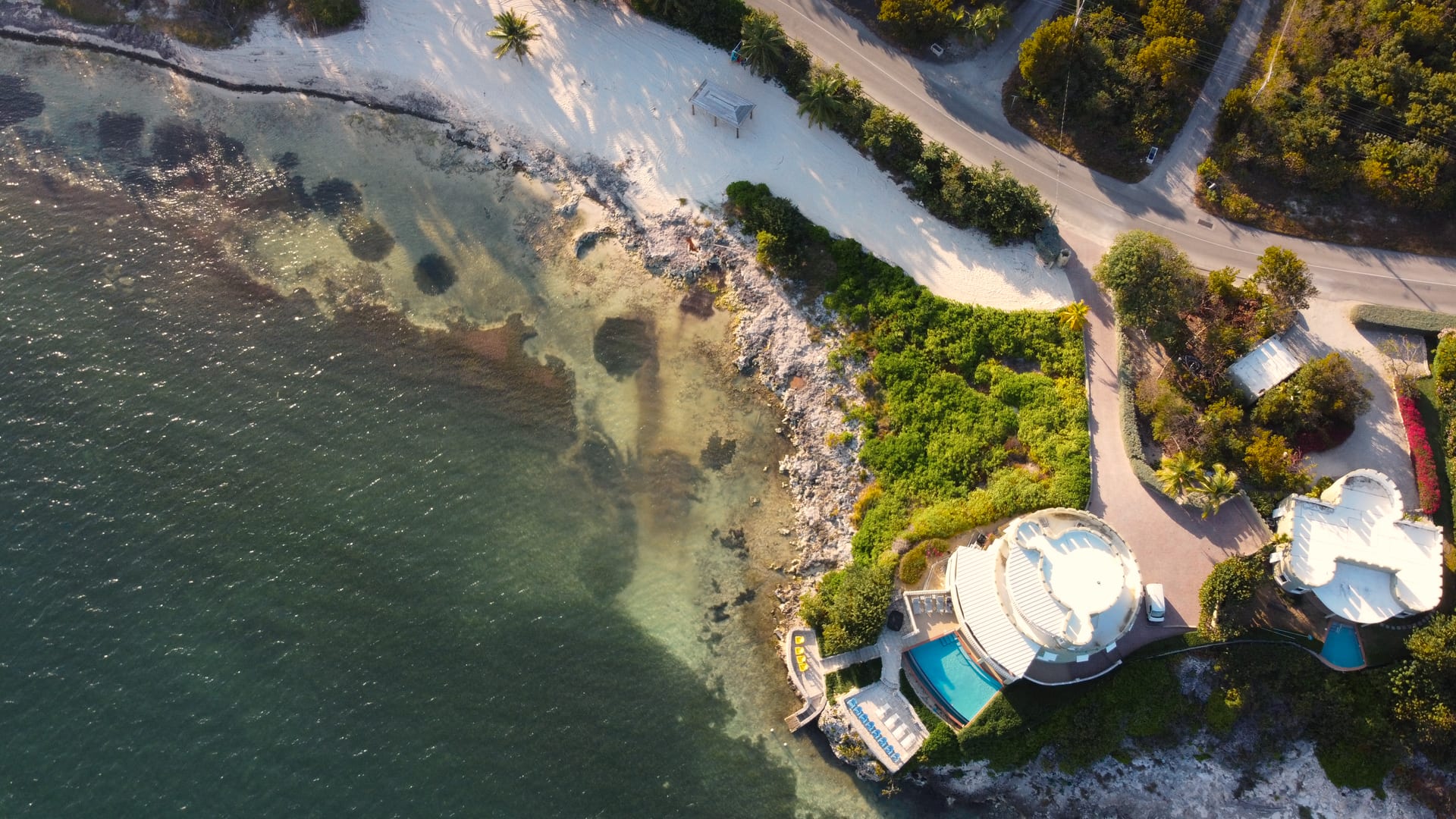
coastalThis is about the sea, full stop. Beach and ocean access rank at the very top, and the snorkelling and diving are among the Caribbean's best. What it lacks is everything inland: no mountains, almost no rivers or forest, and little in the way of hiking. Weekend nature means getting on the water rather than into the hills.
Urban form
small townTiny and low-slung, more a strung-out coastal town than a city. Walkability is poor and a car is close to essential, with daily life spread across resorts, plazas and residential pockets rather than a dense centre. Homes tend to be spacious and suburban in feel. Anyone wanting street-level urban density will find very little of it.
Public life & spaces
67/100George Town, in the Cayman Islands, is affluent and immaculately maintained, spotless in the way money buys. But it's sprawly and car-oriented, with few real squares and little walkable public life. The catch is brutal cost: this is an offshore tax haven where almost nothing is free and daily life is pay-to-play throughout.
Safety
86/100One of the safer places in the wider Caribbean, well clear of the crime levels that trouble much of the region. Violent crime is rare, walking at night feels comfortable, and the political backdrop is stable under British overseas-territory governance. Roads are calmer and safer than the mainland norm too.
Healthcare
57/100Solid for a place this size, with reputable private hospitals and emergency care, and English spoken throughout the system. The catch is cost and depth: care leans private and pricey, the pool of doctors is thin, and complex cases are sometimes referred off-island. Good insurance matters here more than usual.
Family life
52/100Children grow up safe, outdoorsy and close to the water, and international schooling exists for those who can afford it. The harder parts are practical: childcare is scarce and costly, family-sized housing is expensive, and parental-leave norms are modest. It suits well-resourced families more than those counting every dollar.
Career
60/100George Town offers a narrow but unusually well-paid local market. Finance, law and tourism anchor the economy, unemployment is low, and English works everywhere. Local pay is high by the wider comparison, but opportunities thin out quickly outside the island's core sectors and the technology scene is small.
Culture & food
53/100The food scene is respectable, with good restaurants serving an affluent, international crowd, and the expat community is large and easy to plug into. Where it falls short is depth and edge: nightlife is sleepy, museums and live music are limited, and the homegrown cultural calendar is quiet next to a mainland hub like Mexico City.
Ease of integration
81/100English is the first language and the population is strikingly international, so newcomers can settle in and make connections without a language barrier. The social fabric leans traditional and church-centred under the local Caymanian culture, which can keep deeper roots harder to put down. The transient expat circuit, though, is welcoming and quick to form.
Connectivity
36/100Utilities and internet are dependable and roads rarely jam given the small scale. Beyond that the picture is thin: public transport barely exists, there are no trains, cycling is unsupported, and getting around realistically means driving. The airport connects the island well enough for a place its size, mostly via North American hubs.
Social values
traditionalDiverse and outward-looking in its mix of nationalities, yet socially conservative in its values, shaped by a traditional, religious local culture. Secular public life and LGBTQ acceptance lag well behind a liberal European capital, and visitors expecting mainland-style progressivism should calibrate. Civic trust and everyday orderliness, on the other hand, run high.
Relocation ease
59/100English removes the language hurdle, and the overall tax burden is light at about 5%, though this is not a zero-tax move. Work authorization is the harder part, with permits tightly controlled and often tied to employer sponsorship. Banking administration can be heavy, while housing is comparatively manageable.