 India
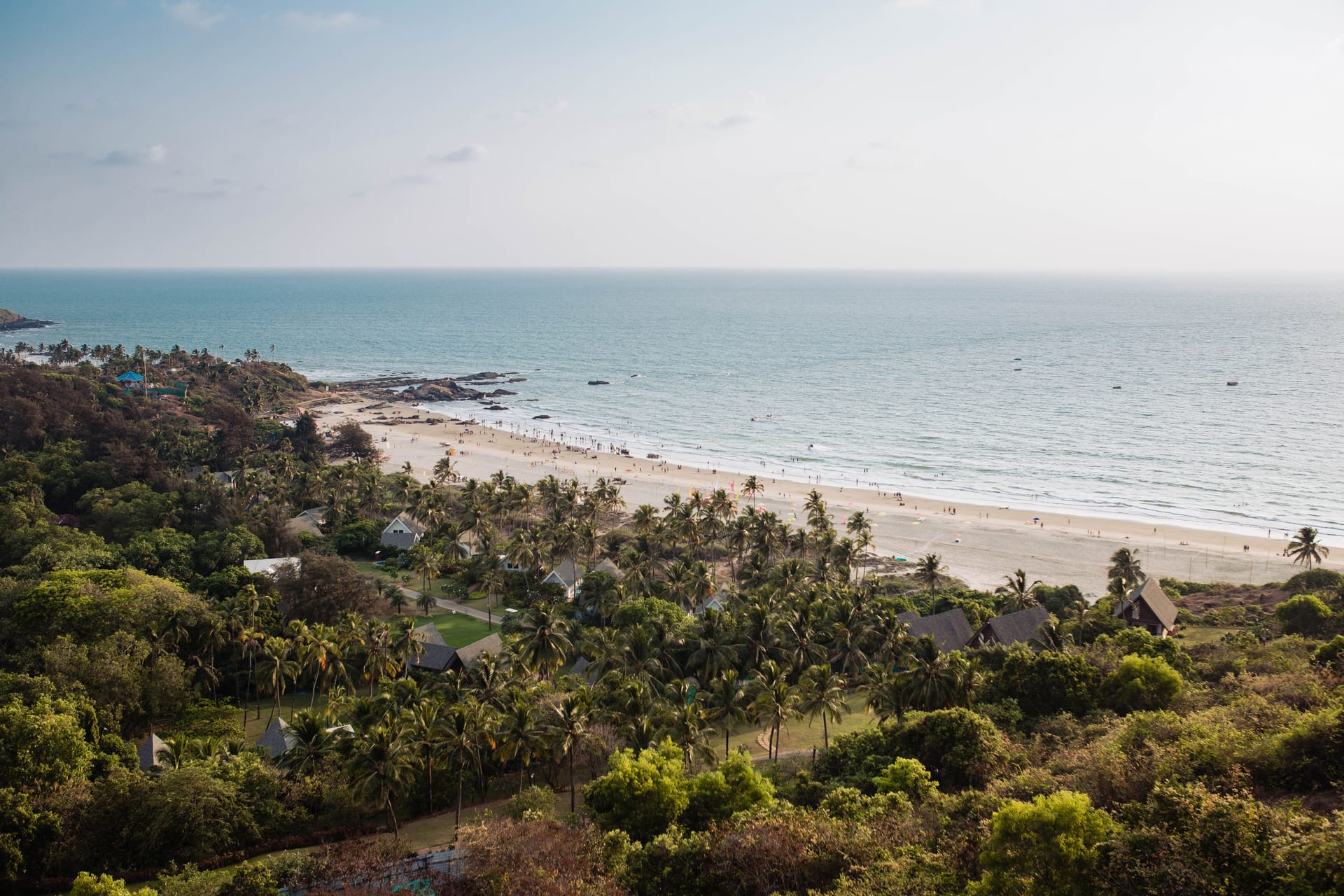
Goa (Panaji) makes sense if
- You want the deeper culture and food scene.
- You value stronger public spaces and everyday city life.
Goa and Kochi both offer warm, waterfront Indian living, but the emphasis differs. Goa leads public life and culture and food through beaches and Portuguese-era squares; Kochi leads affordability, safety, healthcare and career.
The grey shape is all 283 cities; each row says whether lower or higher is better. Ratings out of 10 are our reviewed estimates; the rest is published data. How we measure
Set how much each area counts. The ranking updates as you go. Climate and values are left out because there is no better or worse there, only your taste.
Leads on nature & outdoors and city life; stands out for nightlife and beach & sea.
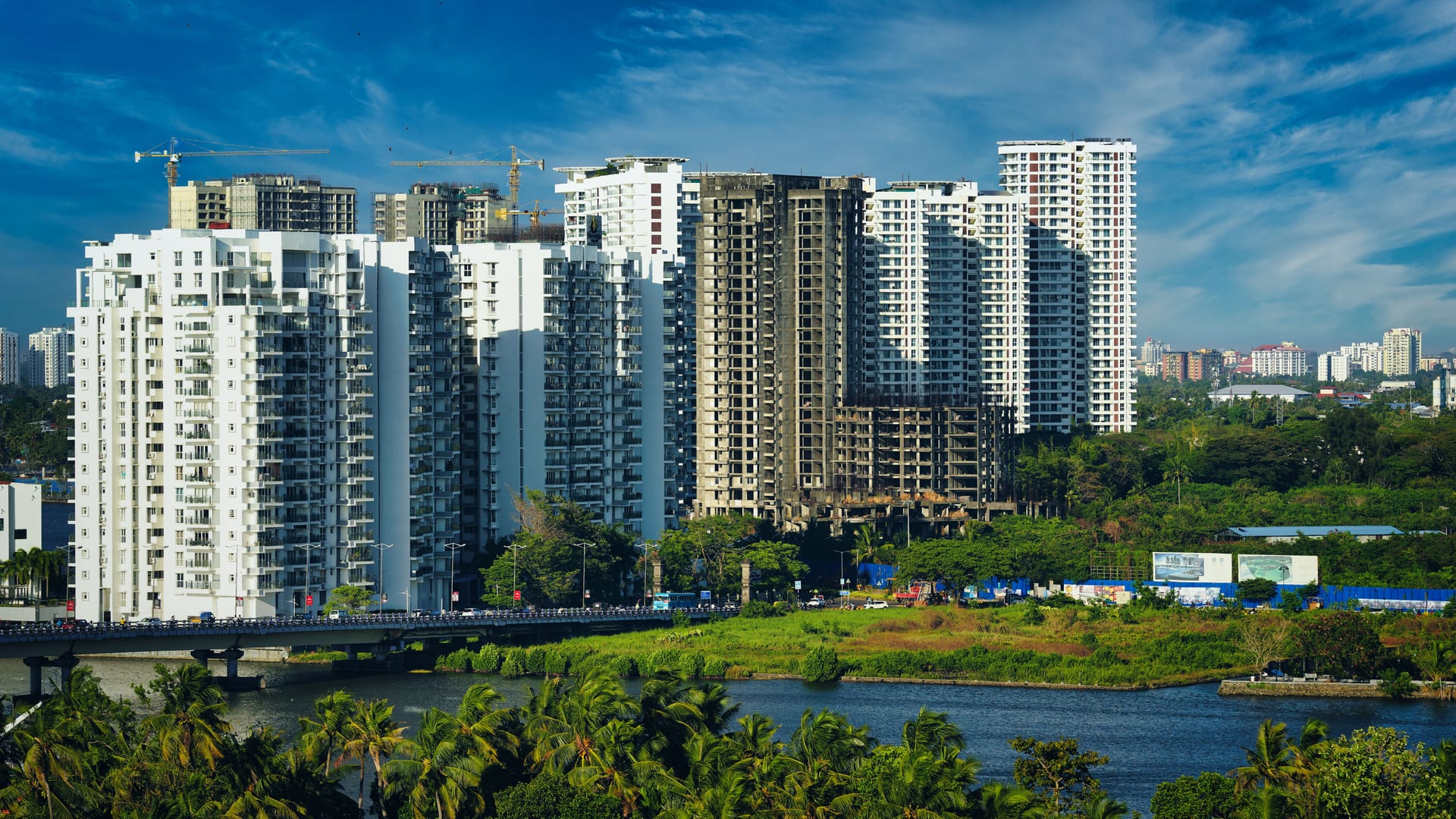
Leads on money and safety & health; stands out for easier house-hunting and life without a car.
Scores out of 100, averaged from the areas you weighted. For a ranking built around your own situation, take the quiz.
Rent on a new lease, everyday prices and tax.
The year month by month. Whether it suits you is yours to judge.
Solid line: average daytime high. Dashed: night-time low. Point at the chart for any month; point at a city name to shade its range.
How easily you get to water, mountains and green space.
Getting around on foot, food, culture and the feel of the streets.
Crime, how safe people feel, and the care you would get.
Jobs, working culture, schools and raising kids.
Visas, language, paperwork and staying connected.
Where each city sits. There is no right end of these scales.
Its low-density feel comes with poor walkability and heavy car dependence. Homes offer more space, but daily errands are rarely built around walking.
The wider urban area is much larger than the compact core suggests, with roughly five million people across the metro. Walking is limited and daily travel is car-dependent, but housing space is a relative strength.
Violent crime is low and the general sense of personal safety is solid, better than most large Indian cities. Petty theft and night-time caution are worth keeping in mind, as in any tourist-heavy place.
Among the safer cities in the region. Violent and petty crime are low, the streets feel calm after dark, and Kerala has a long reputation for orderliness that residents notice day to day.
Local career options are narrow, with a small job market and limited industry depth. Care is serviceable rather than excellent, with decent private hospitals for routine needs but a real thinness of doctors relative to demand.
Kochi suits people who can bring remote work or value English-language access over a large local market. Kerala's health system is one of the better ones in India, and Kochi has solid private hospitals and emergency care.
The food and going-out scene punches above the town's size, from beach shacks and serious restaurants to a long-running nightlife reputation along the coast. Its public life is the coast itself, plus Portuguese-era squares, churches and seafront promenades.
Strong local character rooted in Keralan and old port-town traditions, with good museums, a real art and music scene, and standout vegetarian and vegan food. Kochi feels greener and cleaner than the northern metros, Kerala's calmer pace showing in the streets.
Pick Goa for beaches, nightlife and a relaxed public realm if outside income is secure. Kochi is the more practical base for lower rent, stronger hospitals and a deeper local work market.
These numbers treat everyone the same. The quiz weighs them by your budget, climate taste, family and work, and ranks all 283 cities for you.