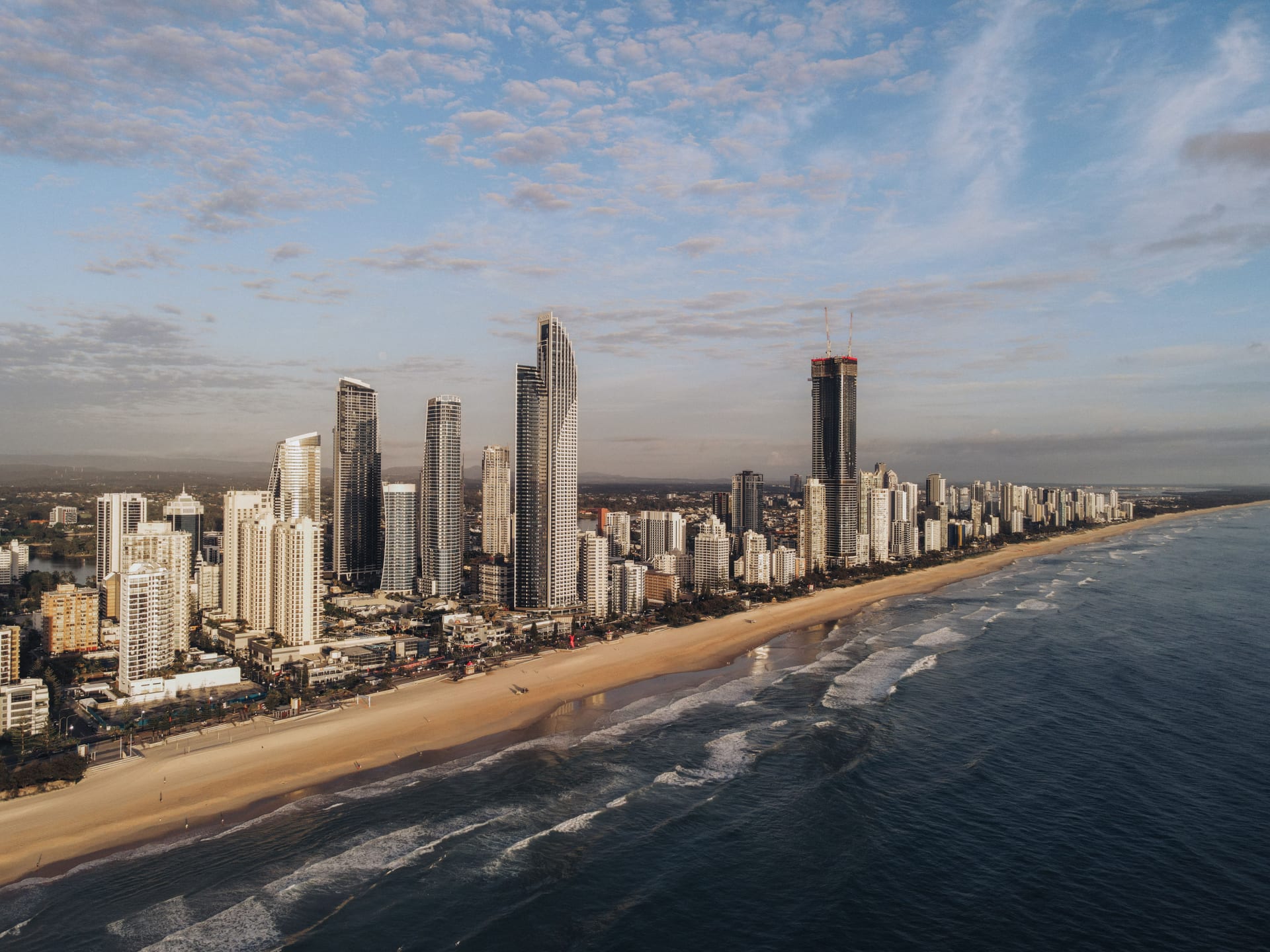
 Australia
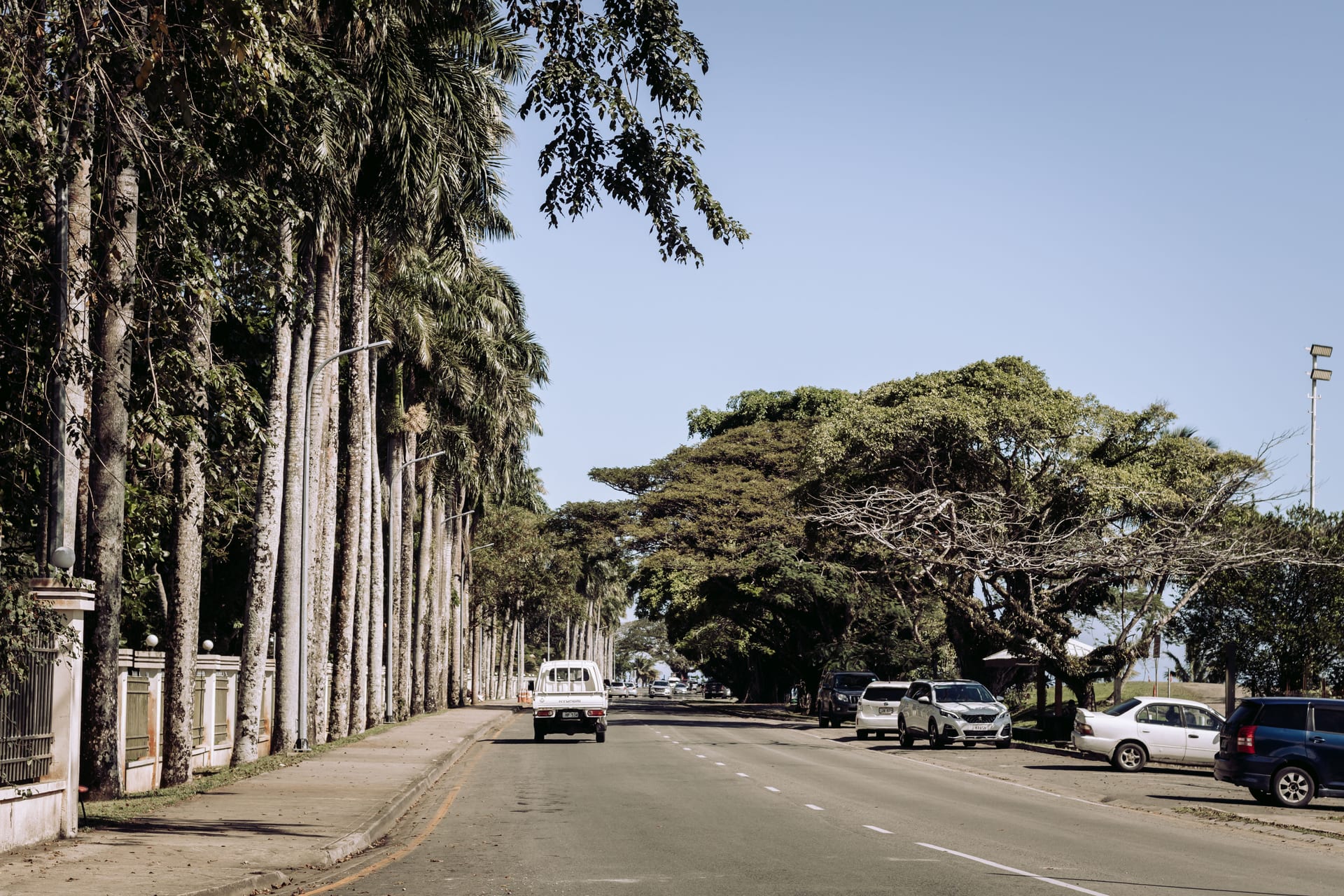
 Fiji
Gold Coast makes sense if
- A calmer day-to-day safety profile matters most to you.
- Access to stronger healthcare matters most to you.
- You want the broader career options in this comparison.
The Gold Coast brings safer streets, stronger hospitals, more accessible careers, and far better maintained public space. Suva is dramatically cheaper and offers a rooted Fijian and Indo-Fijian cultural life, but its medical and professional options are thinner.
The grey shape is all 283 cities; each row says whether lower or higher is better. Ratings out of 10 are our reviewed estimates; the rest is published data. How we measure
Set how much each area counts. The ranking updates as you go. Climate and values are left out because there is no better or worse there, only your taste.
Leads on nature & outdoors, city life, safety & health, work & family and moving & settling in; stands out for playgrounds and public spaces.
Leads on money; stands out for easier house-hunting and local culture.
Scores out of 100, averaged from the areas you weighted. For a ranking built around your own situation, take the quiz.
Rent on a new lease, everyday prices and tax.
The year month by month. Whether it suits you is yours to judge.
Solid line: average daytime high. Dashed: night-time low. Point at the chart for any month; point at a city name to shade its range.
How easily you get to water, mountains and green space.
Getting around on foot, food, culture and the feel of the streets.
Crime, how safe people feel, and the care you would get.
Jobs, working culture, schools and raising kids.
Visas, language, paperwork and staying connected.
Where each city sits. There is no right end of these scales.
A low-slung, spread-out city that runs on the car. Walkability and street-level mixed-use are weak, and the pace is slow and suburban rather than dense and urban.
Walkability around the compact centre is workable but limited, and most longer trips lean on a car or minibus. Anyone after the density and bustle of a big city will find Suva quiet by comparison.
Safe by most measures, in line with the rest of urban Australia. Violent crime is low, the homicide rate is very low, and roads are relatively safe.
Serious violent crime is rare, and the homicide rate sits low, which underpins a generally safe feel by day. Petty theft and opportunistic crime are more of a concern, and walking alone late at night warrants some caution.
The local market is workable but not broad, with English-language jobs easy to find and unemployment low. Solid, universally English-speaking care backed by Australia's public system.
Local work is limited and specialist industries are thin, although English-language roles are relatively accessible. Hospital quality, emergency care and the number of doctors all sit low, and serious cases are often referred onward to Australia or New Zealand.
The cafe culture is the standout, genuinely strong flat-white-and-brunch territory, alongside a decent spread of restaurants and a lively enough nightlife. The Gold Coast keeps its tourist strips clean, and the beachfront promenades above Surfers Paradise are well-kept and walkable.
Restaurants and cafes cover the basics rather than dazzle, and nightlife, museums and the arts scene stay modest. Suva, Fiji's humid capital, is worn and patchily kept, its civic space limited to some colonial buildings and the seawall.
The Gold Coast is the safer, better-serviced choice for local work and everyday public life. Suva suits someone with income already secured who values lower costs and living within its distinctive local culture, while accepting referrals abroad for complex care.
These numbers treat everyone the same. The quiz weighs them by your budget, climate taste, family and work, and ranks all 283 cities for you.