 Australia
Hobart makes sense if
- You want the easier housing and budget equation in this comparison.
- A calmer day-to-day safety profile matters most to you.
Hobart and Melbourne offer two very different Australian routines. Hobart is safer and cheaper, while Melbourne leads healthcare, career, culture and food; public life is tied.
The grey shape is all 283 cities; each row says whether lower or higher is better. Ratings out of 10 are our reviewed estimates; the rest is published data. How we measure
Set how much each area counts. The ranking updates as you go. Climate and values are left out because there is no better or worse there, only your taste.
Leads on city life, work & family and moving & settling in; stands out for professional network and job market.
Leads on nature & outdoors; stands out for mountains and hiking.
Scores out of 100, averaged from the areas you weighted. For a ranking built around your own situation, take the quiz.
Rent on a new lease, everyday prices and tax.
The year month by month. Whether it suits you is yours to judge.
Solid line: average daytime high. Dashed: night-time low. Point at the chart for any month; point at a city name to shade its range.
How easily you get to water, mountains and green space.
Getting around on foot, food, culture and the feel of the streets.
Crime, how safe people feel, and the care you would get.
Jobs, working culture, schools and raising kids.
Visas, language, paperwork and staying connected.
Where each city sits. There is no right end of these scales.
That keeps neighbourhoods roomy and suburban life calm, but it also means limited mixed-use urbanism, modest walkability, and strong reliance on cars. The centre has workable walking pockets, while the wider city feels more like a large town.
Density is very low and car dependency runs high, so the outer reaches usually mean driving. Walkability holds up across the central and inner-ring areas, and homes tend to come with more space than compact European cities allow.
Violent crime is rare, the streets feel calm after dark, and residents report a strong everyday sense of security. Traffic is light and the small scale keeps things orderly.
Melbourne is a reassuringly safe place to land. Homicide is rare, violent crime is low, and political stability is the kind people take for granted until they've lived somewhere without it.
The weakest part of the picture by a wide margin. Care is solid and entirely English-speaking, with competent hospitals and reasonable emergency cover.
Melbourne has a broad, resilient market with low unemployment and readily available English-language work. Care quality is high and emergency services are dependable, with the added comfort that everything runs in English from the first appointment onward.
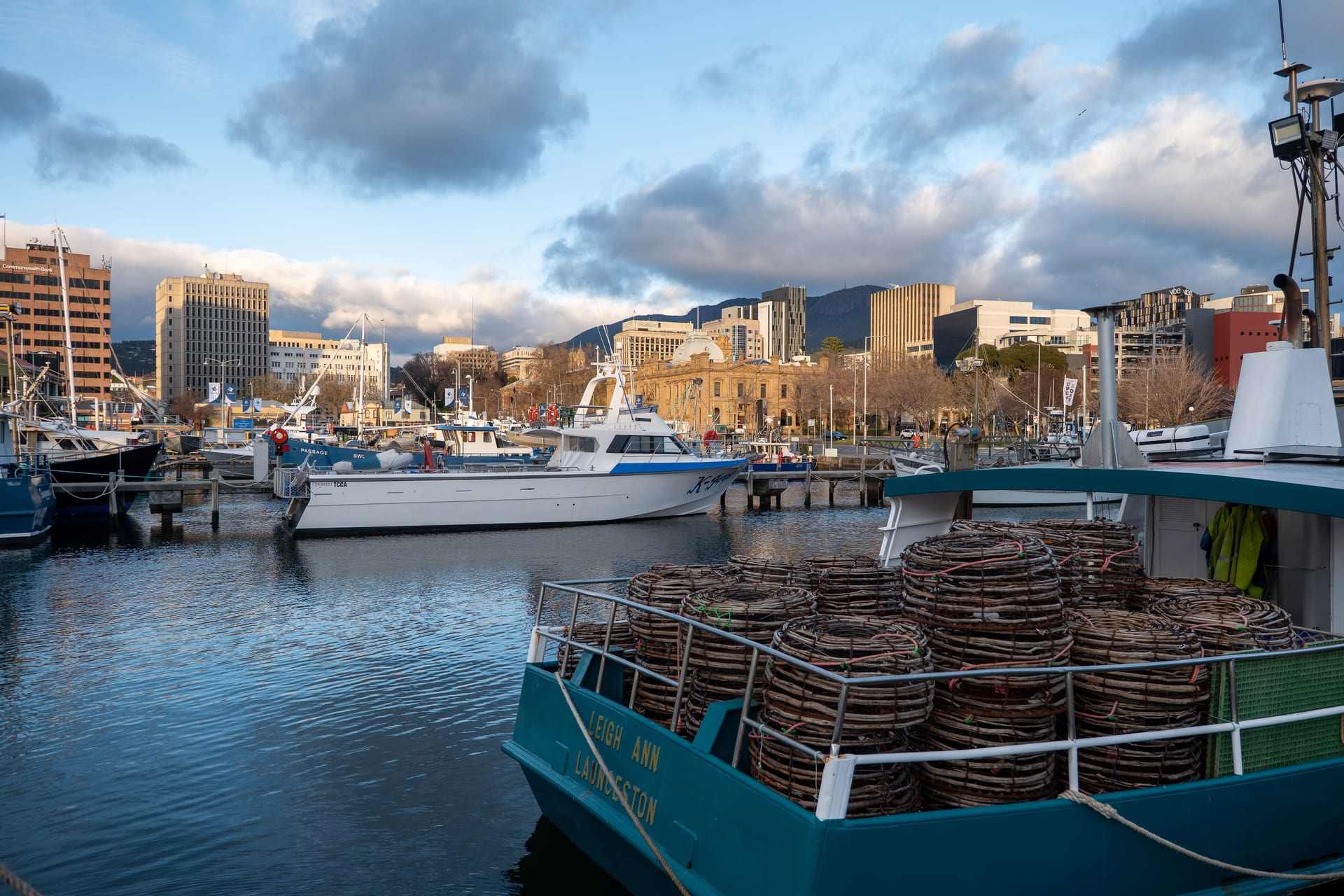
Restaurants and produce are well regarded, even if the range is narrower than the mainland capitals. Hobart is clean and compact, its historic Salamanca waterfront genuinely walkable and well-kept.
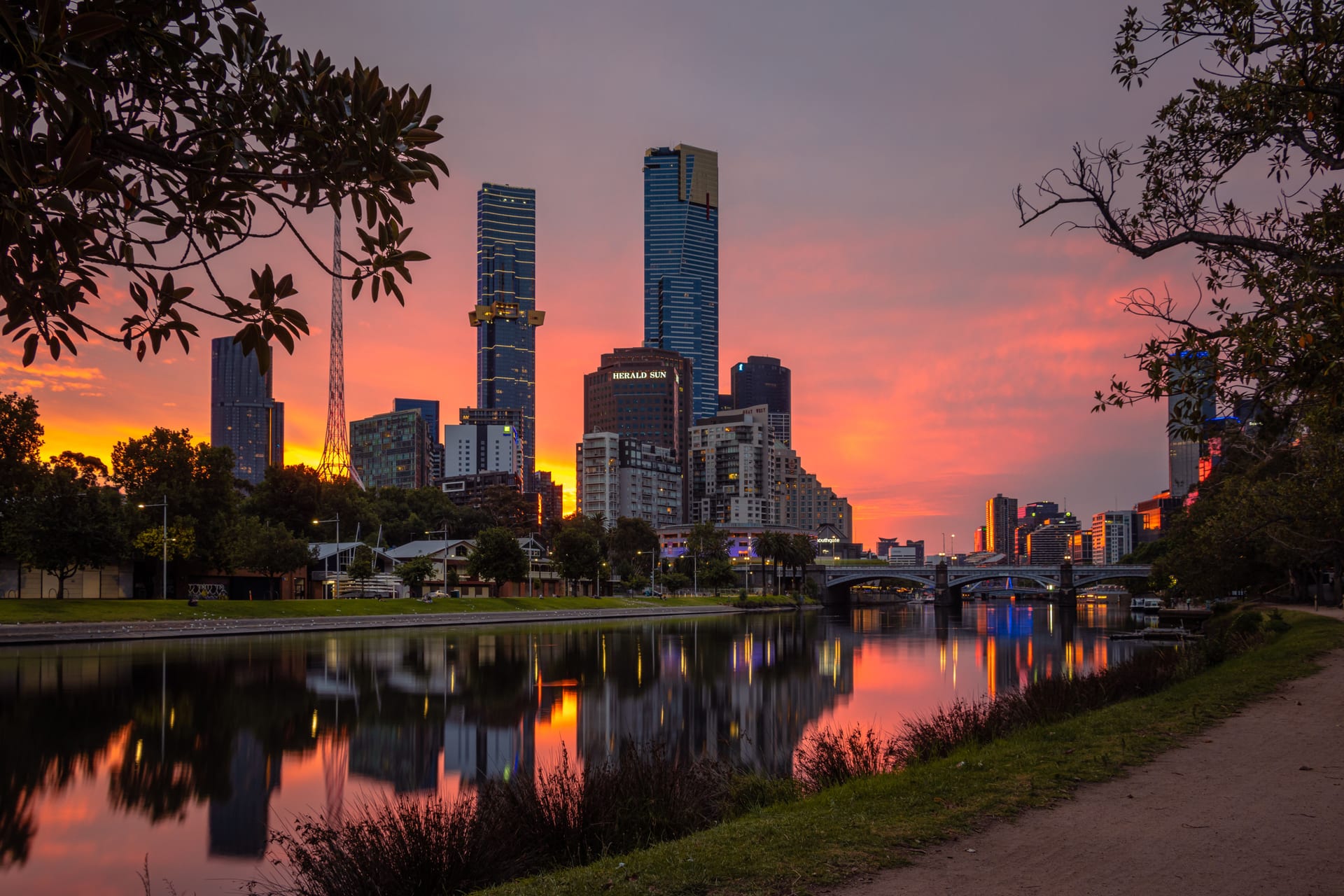
The cafe culture ranks among the best anywhere, the restaurant and vegan scene is deep and inventive, and the music, art, and museum calendar stays busy year-round. Free festivals, street art and events run year-round.
Choose Melbourne for specialist hospitals, career depth, cafes and museums. Hobart suits a quieter, lower-rent life with unusually strong safety, if a smaller labour market works for you.
These numbers treat everyone the same. The quiz weighs them by your budget, climate taste, family and work, and ranks all 283 cities for you.