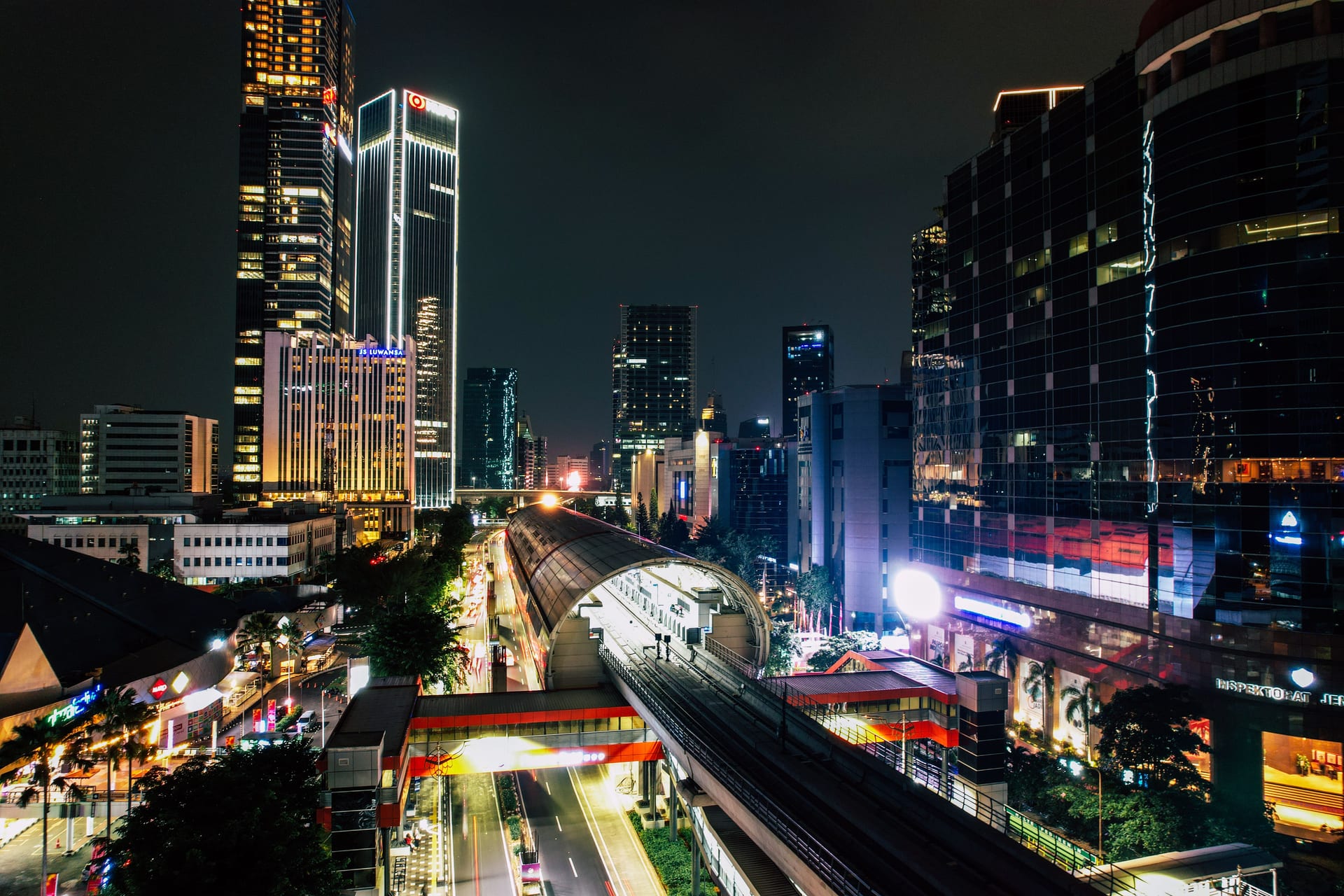
 Indonesia
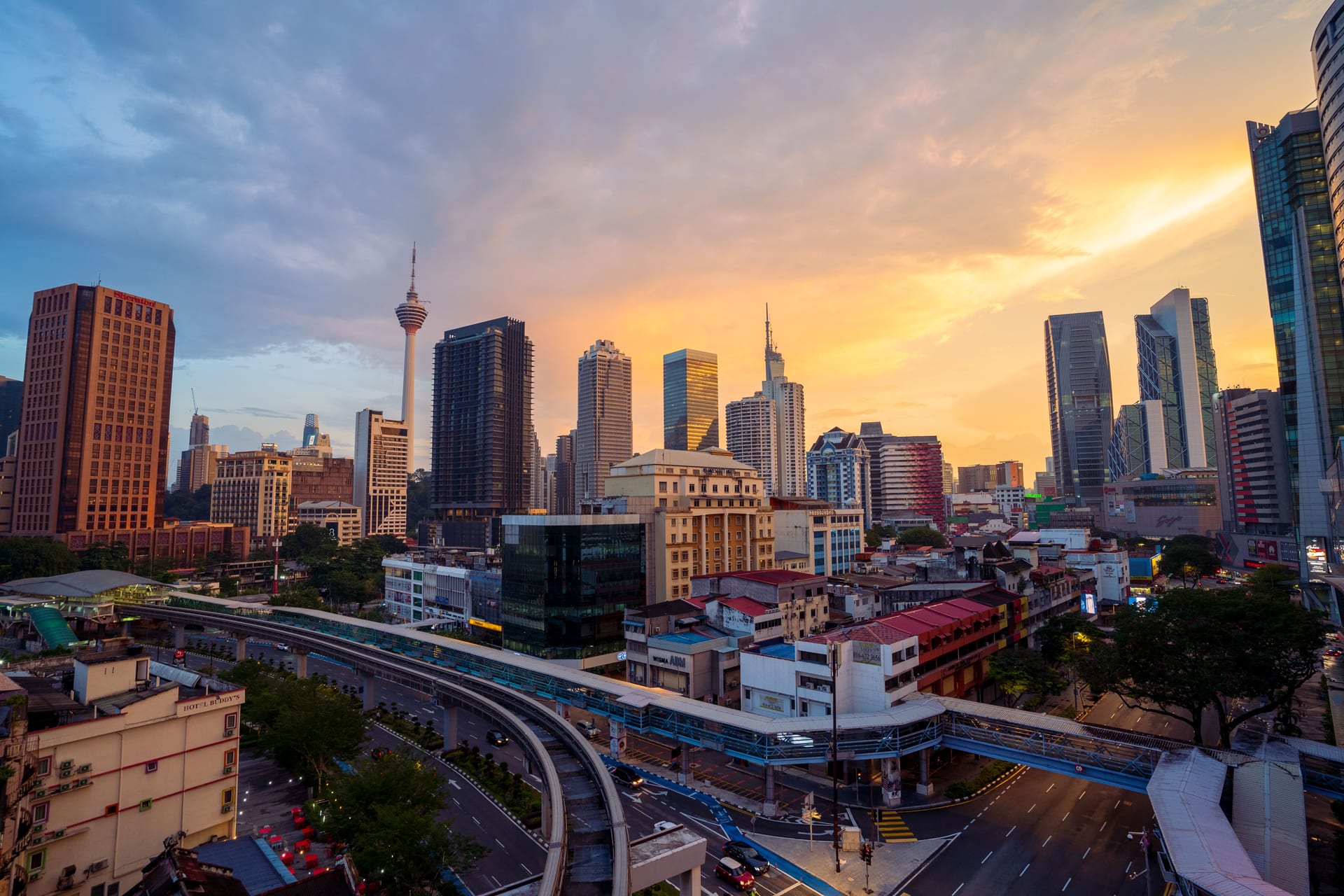
 Malaysia
Jakarta makes sense if
- You want the deeper culture and food scene.
Jakarta has a more intense, locally rooted street life and lower housing costs. Kuala Lumpur is safer, better served by hospitals, and easier for international professionals, with a more comfortable built environment.
The grey shape is all 283 cities; each row says whether lower or higher is better. Ratings out of 10 are our reviewed estimates; the rest is published data. How we measure
Set how much each area counts. The ranking updates as you go. Climate and values are left out because there is no better or worse there, only your taste.
Leads on money, nature & outdoors, city life, safety & health, work & family and moving & settling in; stands out for rent that fits local pay and clean, cared-for streets.
Closest to the top on money, 7 points behind Kuala Lumpur; stands out for music & art scene and safer roads.
Scores out of 100, averaged from the areas you weighted. For a ranking built around your own situation, take the quiz.
Rent on a new lease, everyday prices and tax.
The year month by month. Whether it suits you is yours to judge.
Solid line: average daytime high. Dashed: night-time low. Point at the chart for any month; point at a city name to shade its range.
How easily you get to water, mountains and green space.
Getting around on foot, food, culture and the feel of the streets.
Crime, how safe people feel, and the care you would get.
Jobs, working culture, schools and raising kids.
Visas, language, paperwork and staying connected.
Where each city sits. There is no right end of these scales.
Jakarta is a vast, low-rise sprawl rather than a compact walkable core, and getting around generally means a car or motorbike. Walkability is poor, neighbourhoods can feel cut off from one another, and the sheer metropolitan scale dominates daily life.
KL is built around the car, with weak walkability and sprawl that pushes most people behind the wheel. The flip side is generous living space for the money, far roomier than what Singapore or Hong Kong offer.
Serious violent crime is rare, and on that measure Jakarta is reassuringly safe for a city of its size. Everyday petty crime and pickpocketing are more of a concern, and require ordinary street sense.
Serious violent crime is low and the city feels broadly secure, in line with the safer end of Southeast Asia though short of Singapore's near-spotless record. Petty theft and snatch incidents warrant ordinary caution, especially at night.
Jakarta has a substantial local economy, with low unemployment and professional networks that support people building a career on the ground. Healthcare in Jakarta is functional rather than strong.
Kuala Lumpur has a solid regional job base across several industries, with low unemployment and a workable supply of English-language roles. Medical care is a quiet strength.
Food is one of Jakarta's strongest draws, from street warungs to a deep café culture and a wide spread of restaurants, including a fair range of international and meat-free options. Jakarta is a mega-dense sprawl of traffic, flooding and pollution, where neglected streets give way to malls because almost no walkable square exists.
Food is the headline. Kuala Lumpur is wealthier and more orderly than its neighbours, though the tropical humidity still leaves a grime on things.
Jakarta suits people who want Indonesian energy and a deep local food scene, with remote income helping absorb traffic and infrastructure friction. Kuala Lumpur is the more practical all-round base for healthcare, work, and daily convenience.
These numbers treat everyone the same. The quiz weighs them by your budget, climate taste, family and work, and ranks all 283 cities for you.