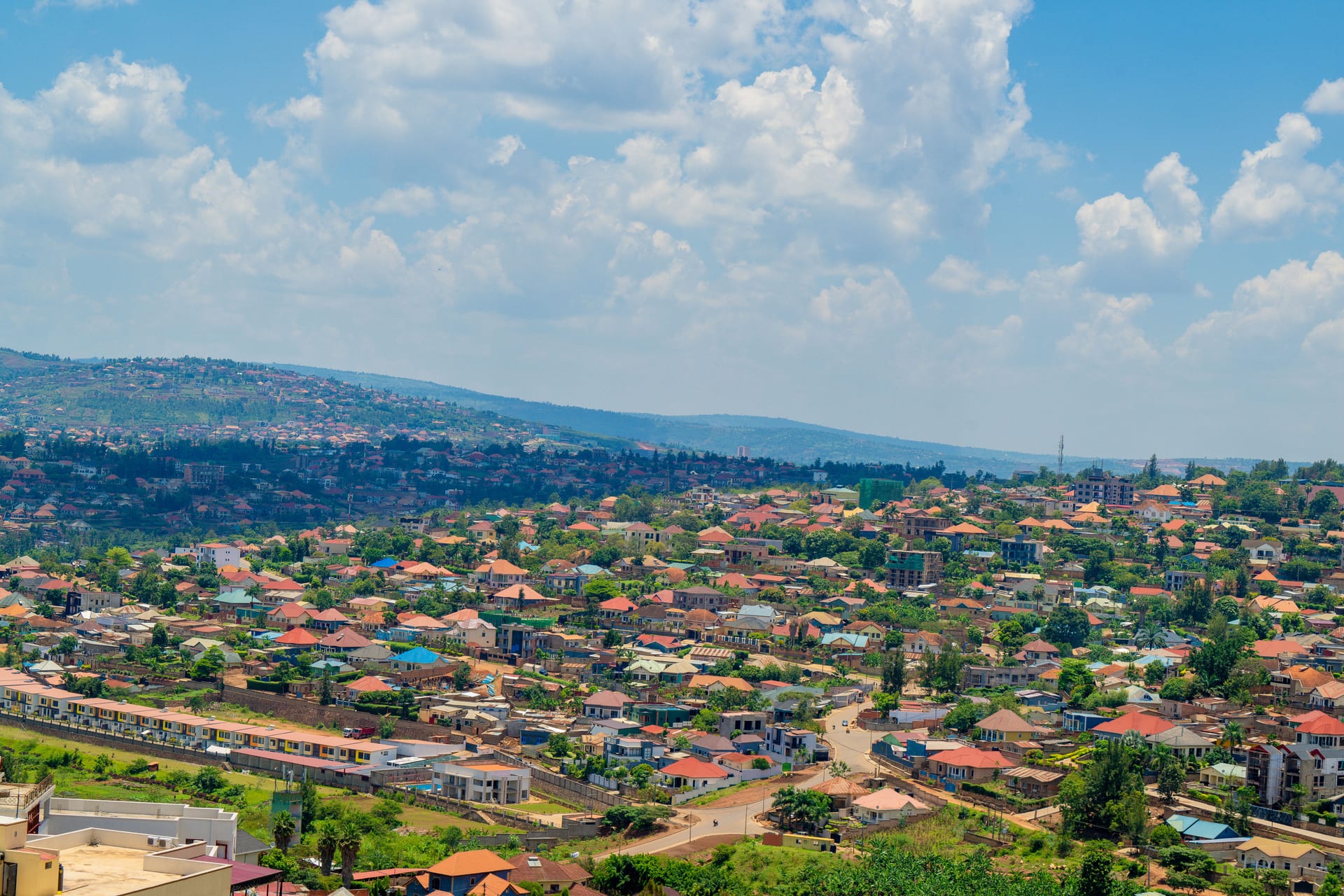
 Rwanda
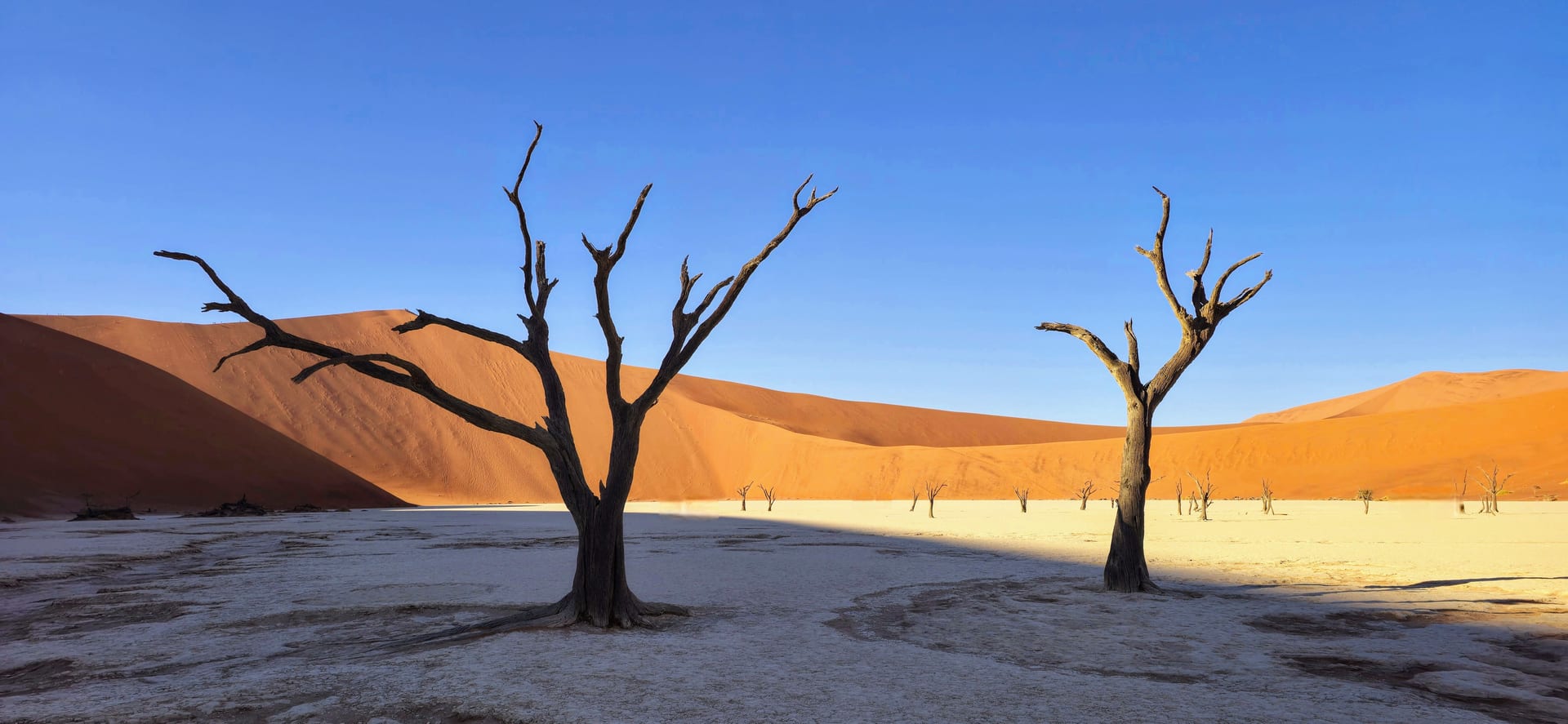
 Namibia
Kigali makes sense if
- A calmer day-to-day safety profile matters most to you.
- You want the broader career options in this comparison.
- You want the deeper culture and food scene.
Kigali is hilly, clean and unhurried, with personal safety a strong part of its appeal; healthcare and jobs are limited. Windhoek is a sunlit high-desert capital where English works well, but work is scarce and daily life depends on a car.
The grey shape is all 283 cities; each row says whether lower or higher is better. Ratings out of 10 are our reviewed estimates; the rest is published data. How we measure
Set how much each area counts. The ranking updates as you go. Climate and values are left out because there is no better or worse there, only your taste.
Leads on nature & outdoors, city life, safety & health and work & family; stands out for safe at night and forests.
Leads on money; stands out for rent that fits local pay and a smaller language barrier.
Scores out of 100, averaged from the areas you weighted. For a ranking built around your own situation, take the quiz.
Rent on a new lease, everyday prices and tax.
The year month by month. Whether it suits you is yours to judge.
Solid line: average daytime high. Dashed: night-time low. Point at the chart for any month; point at a city name to shade its range.
How easily you get to water, mountains and green space.
Getting around on foot, food, culture and the feel of the streets.
Crime, how safe people feel, and the care you would get.
Jobs, working culture, schools and raising kids.
Visas, language, paperwork and staying connected.
Where each city sits. There is no right end of these scales.
Hilly terrain and reliance on cars or motorbike taxis mean it is only moderately walkable. Neighbourhoods are tidy and well-kept by regional standards, with a slow, residential feel that some find restful and others find sleepy.
Walkability is poor, public life is dispersed, and the pace is slow. The upside is space: homes tend to be generous, and the better residential areas and suburbs are pleasant and quiet.
Kigali still feels orderly and comfortable in everyday life. Violent crime and petty theft are uncommon, and walking after dark is usually easy.
Serious violent crime is far lower than in Cape Town, and Namibia is a stable multi-party democracy with peaceful transfers of power. Still, petty crime and walking around alone after dark warrant real caution, and the national road-death rate is high, which matters in a place where everyone drives.
Kigali's local market is small and difficult, with high unemployment and a thin professional network. Healthcare is one of the real weak points.
Windhoek offers a small local market with high unemployment, so finding work from scratch is a real hurdle. Healthcare is the city's clear weak point.
The cultural and dining scene is modest and still emerging. Kigali is famously clean for the region, with a plastic-bag ban and orderly, swept streets that genuinely stand out.
The scene is low-key. Windhoek is clean, orderly and low-density, a developed small capital that is easy on the eye but built almost entirely around cars, with little genuine public space to gather in.
Kigali is the stronger pick if you want a calm, safe city and already have work. Windhoek offers a lower-cost, English-speaking base and open desert surroundings, but limited healthcare and job options narrow the fit.
These numbers treat everyone the same. The quiz weighs them by your budget, climate taste, family and work, and ranks all 283 cities for you.