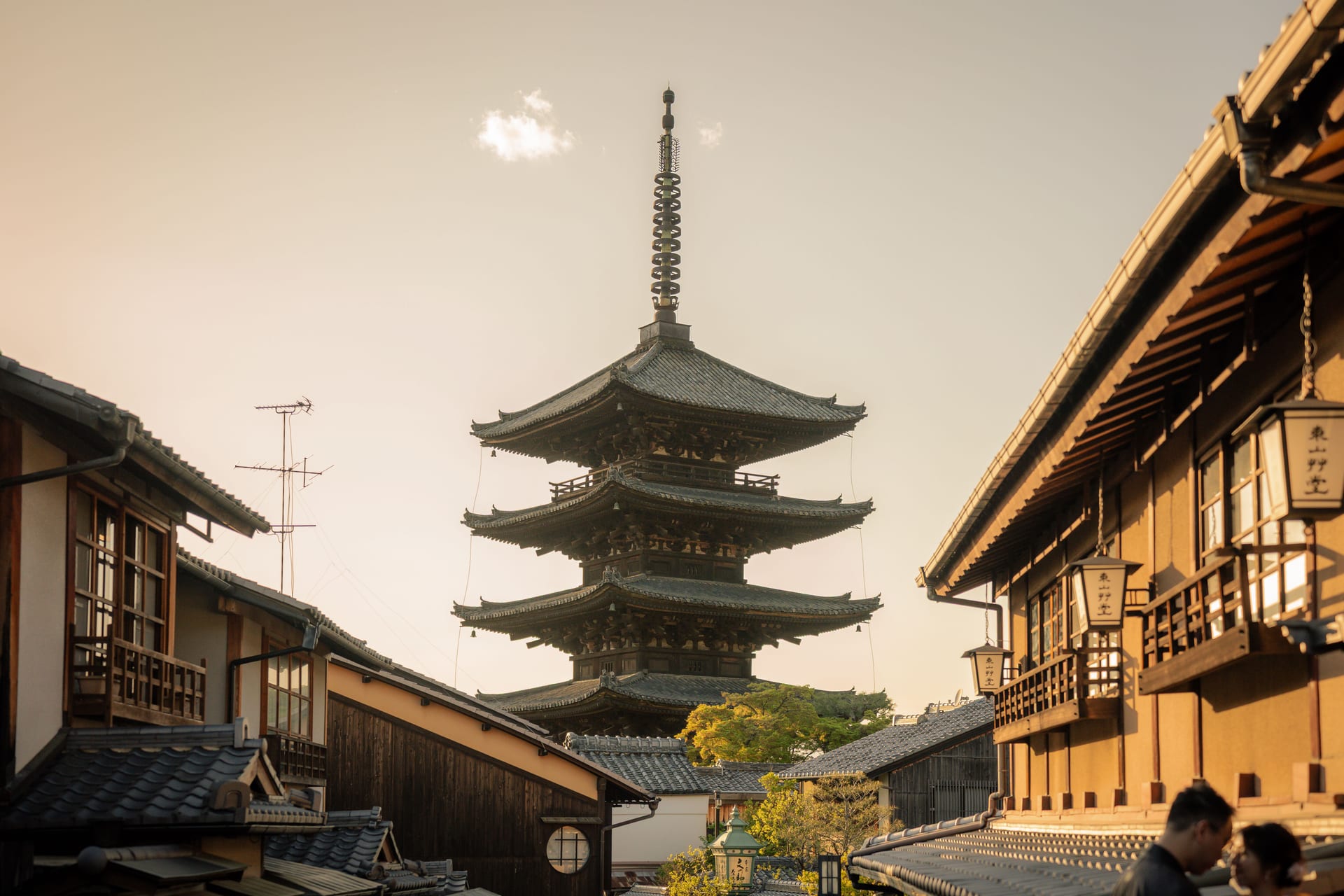
 Japan
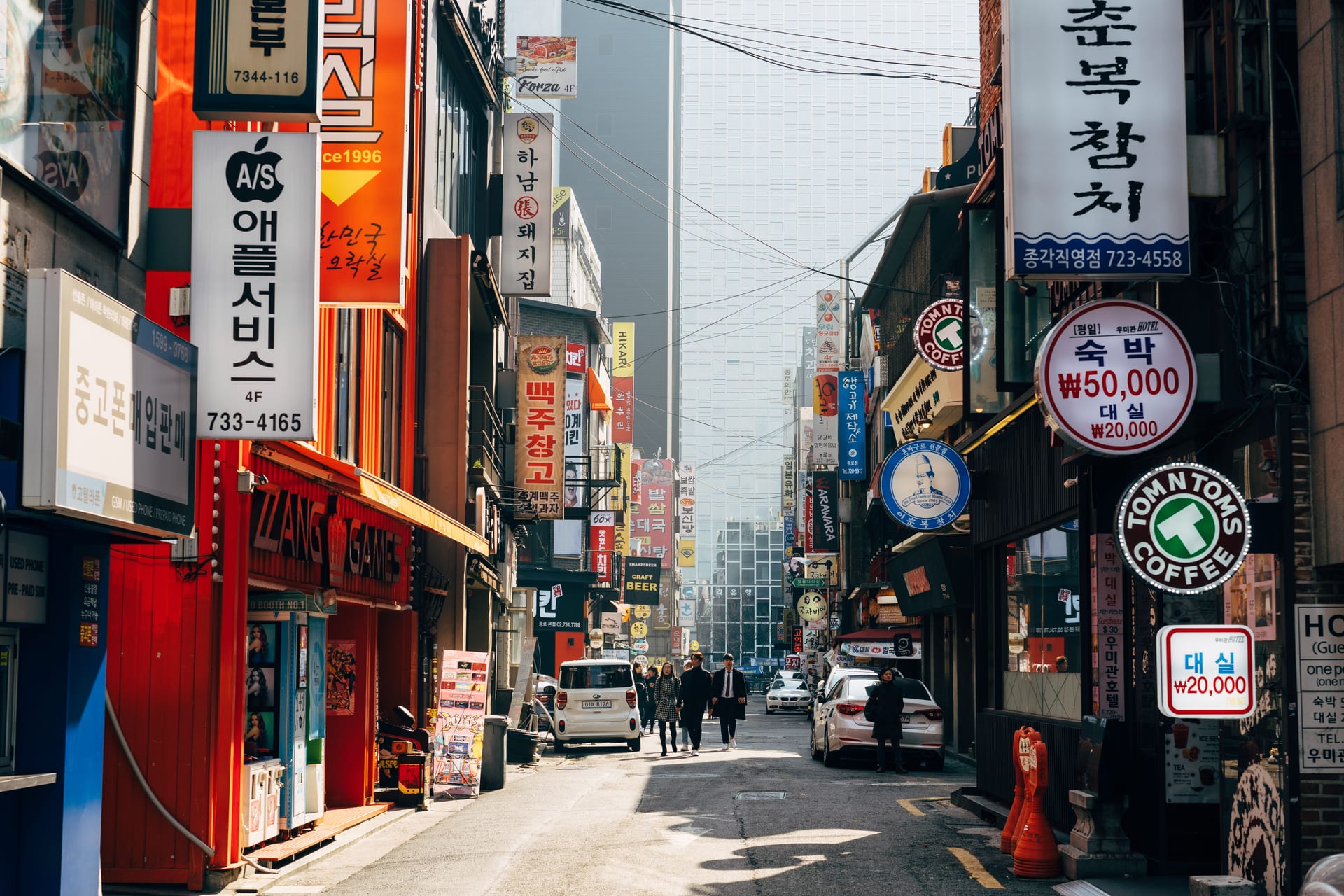
 South Korea
Kyoto makes sense if
- You want the easier housing and budget equation in this comparison.
- A calmer day-to-day safety profile matters most to you.
- You value stronger public spaces and everyday city life.
Kyoto's temple lanes and slower rhythm make a calm, walkable home, though the foreign community is small. Seoul is dense and wired for round-the-clock convenience, but the hard-driving work culture and language take commitment.
The grey shape is all 283 cities; each row says whether lower or higher is better. Ratings out of 10 are our reviewed estimates; the rest is published data. How we measure
Set how much each area counts. The ranking updates as you go. Climate and values are left out because there is no better or worse there, only your taste.
Leads on work & family and moving & settling in; stands out for job market and nightlife.
Leads on safety & health; stands out for political stability and safe for children.
Scores out of 100, averaged from the areas you weighted. For a ranking built around your own situation, take the quiz.
Rent on a new lease, everyday prices and tax.
The year month by month. Whether it suits you is yours to judge.
Solid line: average daytime high. Dashed: night-time low. Point at the chart for any month; point at a city name to shade its range.
How easily you get to water, mountains and green space.
Getting around on foot, food, culture and the feel of the streets.
Crime, how safe people feel, and the care you would get.
Jobs, working culture, schools and raising kids.
Visas, language, paperwork and staying connected.
Where each city sits. There is no right end of these scales.
Daily life is exceptionally walkable, with mixed-use neighbourhoods that make errands easy without a car. Homes remain compact.
Most daily life happens on foot and on the metro, owning a car is genuinely optional, and neighbourhoods stack shops, cafes and homes into the same blocks. Apartments tend to be compact, a bit tighter than Berlin and roomier than central Tokyo.
Safety here is close to absolute. Violent crime is rare to the point of being a non-issue, walking home alone at any hour is unremarkable, and even petty theft stays low.
Safety is one of Seoul's strongest cards. Violent crime is rare, walking home late feels normal across most of the city, and street-level petty crime stays low, in the same league as Tokyo.
Kyoto has a respectable but focused market, with some technology activity and a modest professional network. Care quality is high and out-of-pocket costs stay low under the national insurance system, so a medical bill rarely becomes a crisis.
Seoul offers a substantial market with strong technology and professional networks, and unemployment is low. Seoul's hospitals are fast, well-equipped and easy to reach, and out-of-pocket costs stay low thanks to national insurance, which is simpler to plug into than Germany's system.
The food scene is world-class from humble counters to refined kaiseki, cafes and museums are everywhere, and the living traditions of the old capital run deeper than anywhere else in the country. Kyoto is immaculate, its historic streets and temple precincts tended with obvious care.
Food and cafe culture here are a highlight, with a restaurant scene that edges past Berlin and a coffee obsession to rival Tokyo's. Seoul is very clean and orderly, a modern megacity that runs like clockwork.
Seoul fits someone who wants constant convenience and can thrive in a demanding, fast city. Kyoto suits a slower, safer routine and historic streets, especially if a smaller international community is acceptable.
These numbers treat everyone the same. The quiz weighs them by your budget, climate taste, family and work, and ranks all 283 cities for you.