 Spain
Madrid makes sense if
- You want the easier housing and budget equation in this comparison.
- A calmer day-to-day safety profile matters most to you.
- Access to stronger healthcare matters most to you.
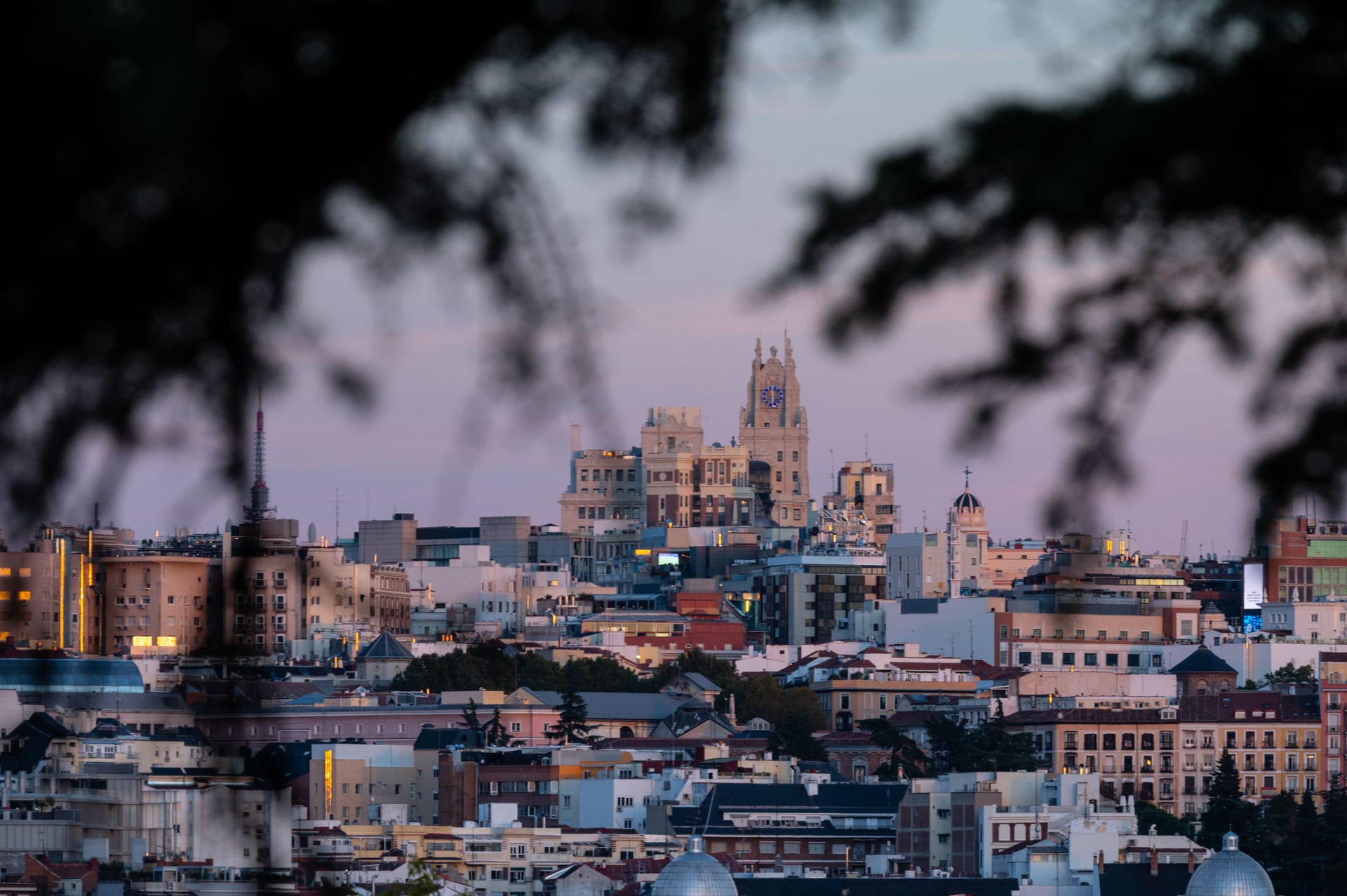
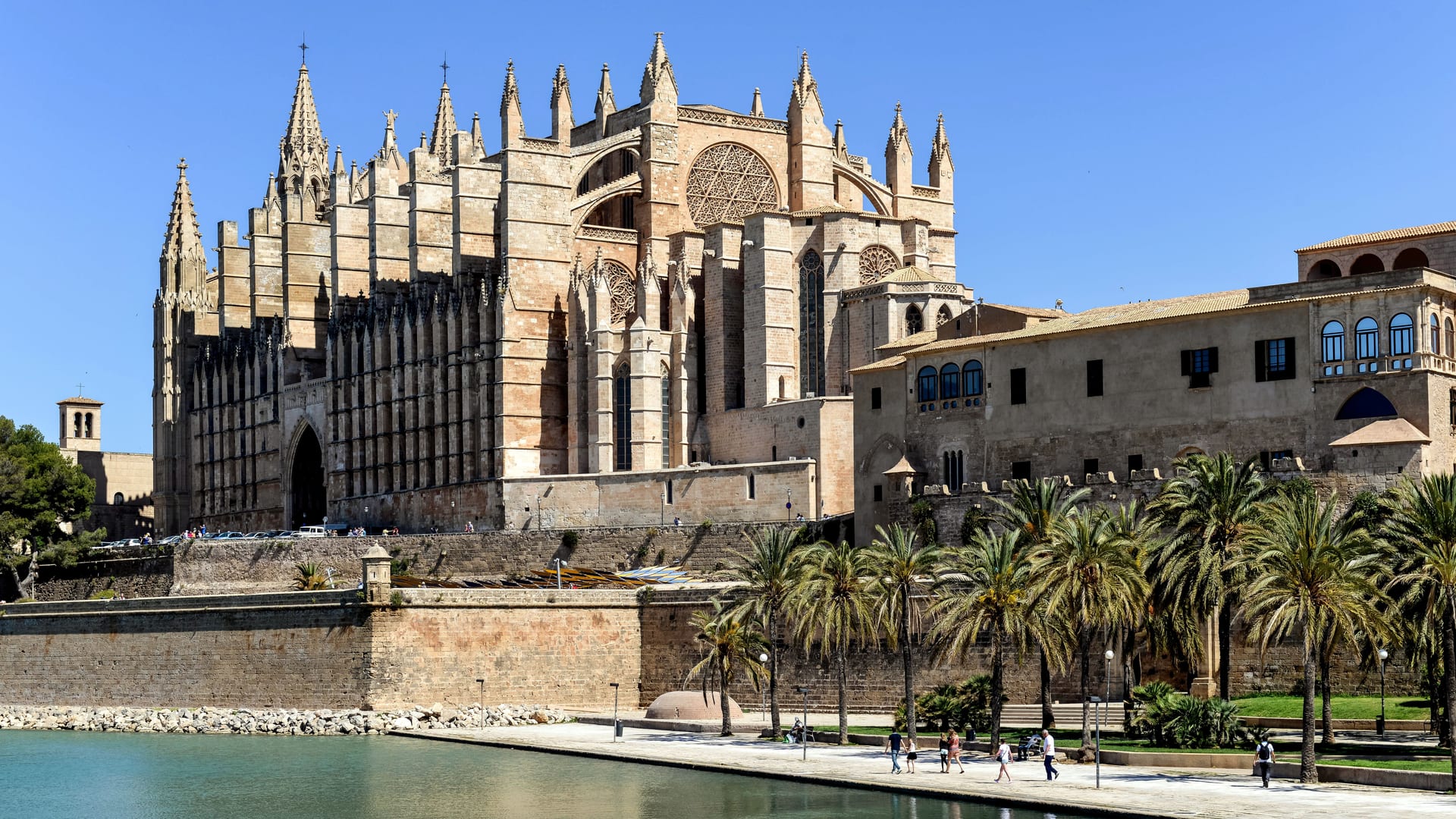
Madrid brings a serious local job market, long bright seasons and a large-city cultural calendar. Palma de Mallorca offers island-scale living, a walkable old centre, easy beach access and a sizable international community.
The grey shape is all 283 cities; each row says whether lower or higher is better. Ratings out of 10 are our reviewed estimates; the rest is published data. How we measure
Set how much each area counts. The ranking updates as you go. Climate and values are left out because there is no better or worse there, only your taste.
Leads on city life, safety & health, work & family and moving & settling in; stands out for train connections and fewer muggy days.
Narrowly best on nature & outdoors: 62 vs Madrid's 59; stands out for beach & sea and outdoor childhood.
Scores out of 100, averaged from the areas you weighted. For a ranking built around your own situation, take the quiz.
Rent on a new lease, everyday prices and tax.
The year month by month. Whether it suits you is yours to judge.
Solid line: average daytime high. Dashed: night-time low. Point at the chart for any month; point at a city name to shade its range.
How easily you get to water, mountains and green space.
Getting around on foot, food, culture and the feel of the streets.
Crime, how safe people feel, and the care you would get.
Jobs, working culture, schools and raising kids.
Visas, language, paperwork and staying connected.
Where each city sits. There is no right end of these scales.
Madrid is a dense, walkable city where most daily errands happen on foot and a car is rarely necessary. Neighbourhoods mix homes, shops, and bars at street level, and the pace is fast, on a par with Berlin and a world away from sleepier Lisbon.
Palma is compact and easy to cover on foot, with a dense old quarter of narrow streets and a quality seafront. It is a genuinely small city, far more so than Madrid or Barcelona, and the pace reflects that.
The main nuisance is pickpocketing in tourist-heavy spots and on the metro, roughly in line with other large Spanish and European cities. Traffic is well managed and serious incidents are rare.
Among the safer places to land in Spain. Serious violent crime is very low and the roads are well managed, so walking at night feels comfortable in most parts of town.
Madrid has a deep local job market, broad industry coverage, a strong professional network, and a credible technology base. Spain's public health system is strong and Madrid sits near the top of it, with good hospitals and dependable emergency care.
Typical local pay is relatively solid, but the local market remains the limiting factor. The Spanish system delivers good quality care at low out-of-pocket cost, with reliable hospitals and emergency services on the island.
The dining scene is deep, the cafe culture is everywhere, and the nightlife runs later and harder than almost anywhere in Europe. Madrid keeps its central districts reasonably well, carrying the usual big-city wear.
The international crowd is unusually large for a city this small, which keeps things cosmopolitan. Palma keeps its old town tidy and its seafront well-tended, the cathedral and the Passeig along the water framing genuinely fine public space.
Madrid is the practical choice if local career options and capital-city energy matter most. Palma suits someone who wants a smaller Mediterranean routine and can trade some urban breadth for easy beach access and island life.
These numbers treat everyone the same. The quiz weighs them by your budget, climate taste, family and work, and ranks all 283 cities for you.