 Spain
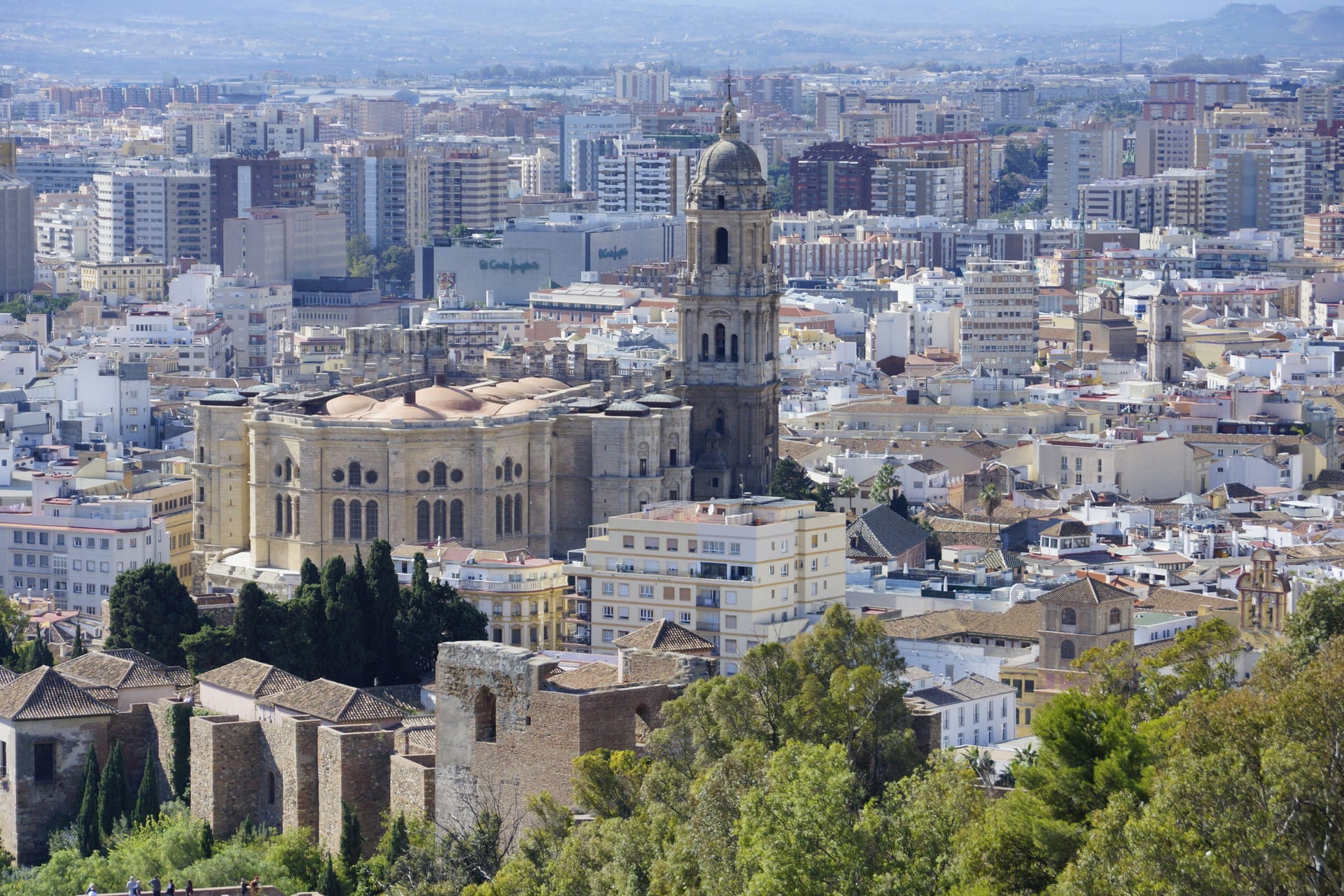
Málaga makes sense if
- Access to stronger healthcare matters most to you.
- You want the broader career options in this comparison.
- You want the deeper culture and food scene.
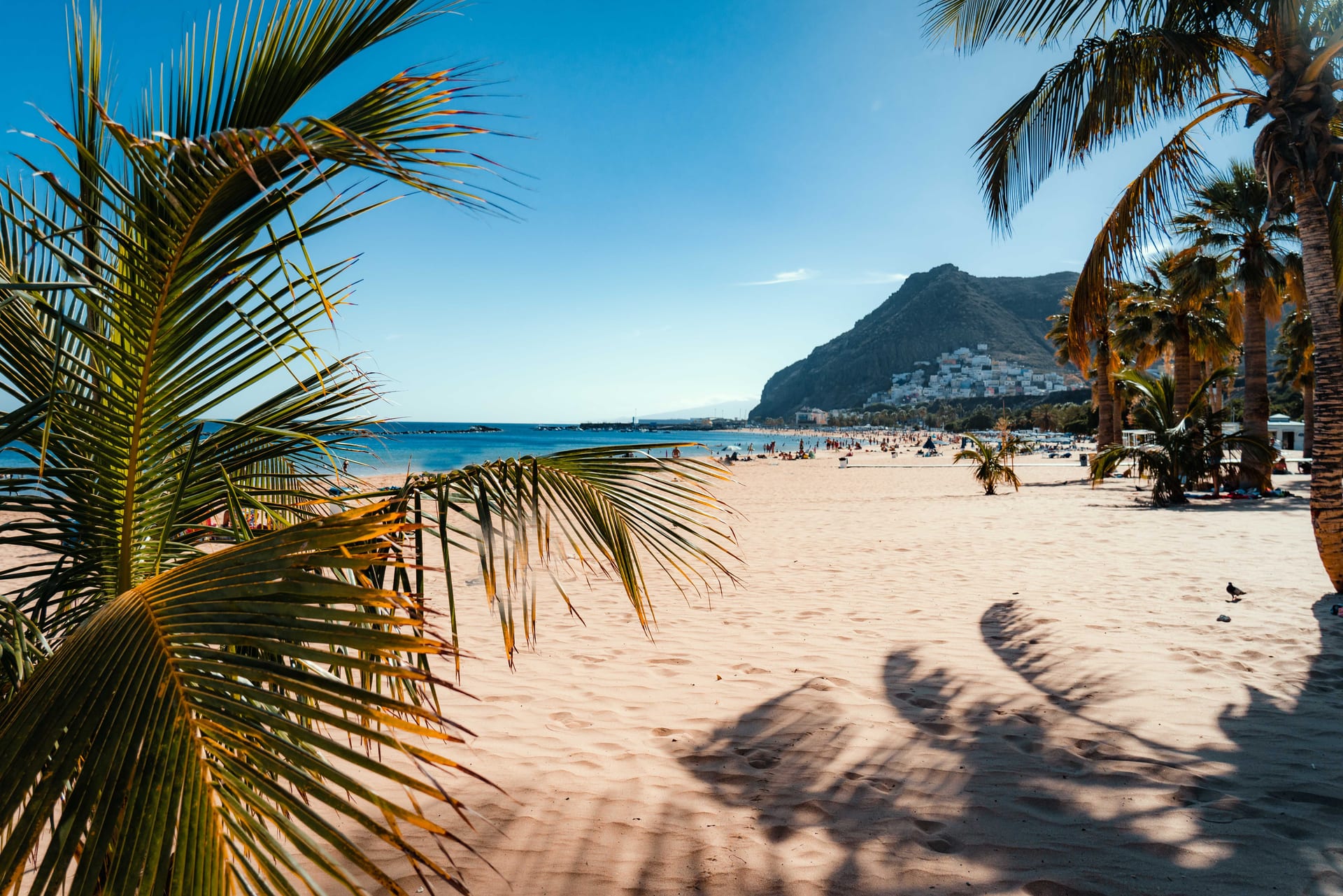
Málaga and Santa Cruz de Tenerife are warm Spanish bases with similar career-oriented strengths. Málaga leads healthcare, career, culture and food, and public life; Santa Cruz has lower rent.
The grey shape is all 283 cities; each row says whether lower or higher is better. Ratings out of 10 are our reviewed estimates; the rest is published data. How we measure
Set how much each area counts. The ranking updates as you go. Climate and values are left out because there is no better or worse there, only your taste.
Leads on work & family and moving & settling in; stands out for train connections and fewer muggy days.
Narrowly best on nature & outdoors: 67 vs Málaga's 64; stands out for national parks nearby and calmer weather.
Scores out of 100, averaged from the areas you weighted. For a ranking built around your own situation, take the quiz.
Rent on a new lease, everyday prices and tax.
The year month by month. Whether it suits you is yours to judge.
Solid line: average daytime high. Dashed: night-time low. Point at the chart for any month; point at a city name to shade its range.
How easily you get to water, mountains and green space.
Getting around on foot, food, culture and the feel of the streets.
Crime, how safe people feel, and the care you would get.
Jobs, working culture, schools and raising kids.
Visas, language, paperwork and staying connected.
Where each city sits. There is no right end of these scales.
Málaga's urban scale is genuinely modest, with a compact, walkable core and low car dependence. Daily life is easy, though the lower density and quieter tempo will feel provincial beside Spain's largest cities.
A compact, low-rise capital that moves slowly, quieter and less dense than Las Palmas or any mainland Spanish city. The centre is walkable enough for daily errands and neighbourhoods feel settled rather than slick.
Violent crime is rare, the streets feel comfortable after dark, and traffic is relatively orderly. The honest caveat is petty crime, the pickpocketing and bag-snatching common to sunny tourist cities, which is worth ordinary vigilance in crowded areas.
Among the safer places to land in Europe, with violent crime rare and roads notably calm, in line with the rest of urban Spain. Walking around after dark feels comfortable in most areas.
The local market is thin, and unemployment remains high, with opportunities concentrated in tourism, services, and a small but growing tech scene. Spain's public system is solid and reaches Málaga well, with good hospitals and dependable emergency care, and out-of-pocket costs stay low.
The local hiring market is narrow, despite typical local pay being relatively solid. Public healthcare covers the basics reliably and hospital access is solid, broadly on par with Las Palmas and Madrid.
There is a genuine Andalusian food scene built on seafood and tapas, a strong cafe culture, a respectable cluster of museums, and lively nightlife that runs late in the Spanish way. The pedestrianised core, the port park and a string of plazas and promenades make generous shared space.
Canary cuisine, fresh fish and a steady café culture give the city a likeable everyday food scene, with enough restaurants and local festivals to keep things interesting. Daily life is cheap and lived outdoors, and the famous carnival packs the streets for free.
Pick Málaga for a broader job market, museums and Andalusian dining. Santa Cruz suits a quieter island routine with lower rent when local career depth matters less.
These numbers treat everyone the same. The quiz weighs them by your budget, climate taste, family and work, and ranks all 283 cities for you.