Affordability
71/100Santa Cruz de Tenerife's open-market one-bedroom rent on a new lease is about €648 per month. That is roughly 35% of one typical employee's mean net pay, a rent burden labelled tight alone.
Climate
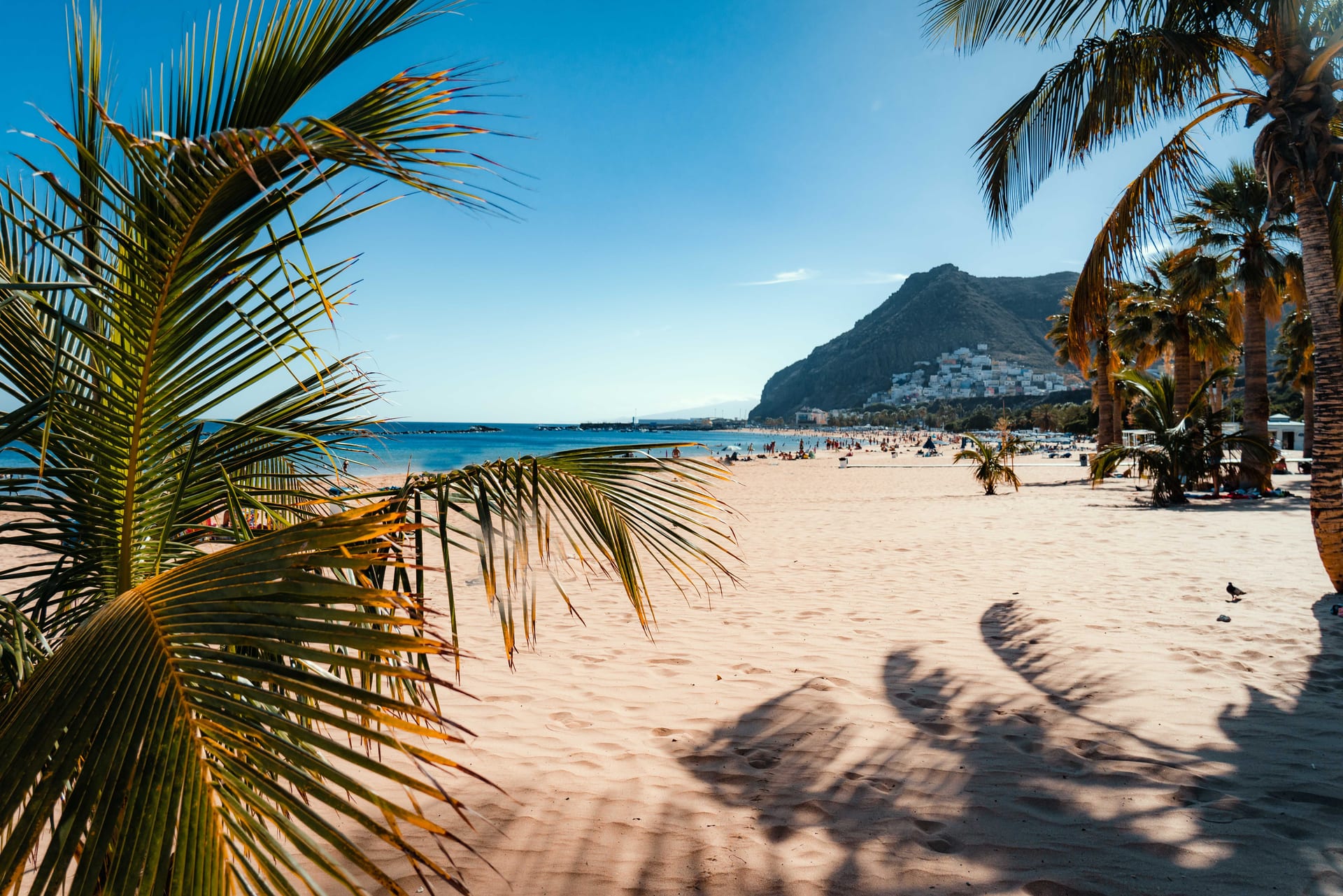
tropicalSanta Cruz has an unusually easy climate. Winters average 18.5°C in January, summers stay mild at about 21.5°C in July, and the year brings roughly 287 bright days with only 28 rainy-grey ones. The trade-off is a humid Atlantic feel, with muggy conditions recurring through a substantial share of the year.
Nature access
wildThe volcanic backbone of the island is the draw, with Teide and its high parkland giving some of the best hiking and weekend escapes in Spain. Mountains and trails are close and dramatic. What the city itself lacks is everyday green, parks within town are limited and there are no real rivers or lakes to speak of.
Urban form
small cityA compact, low-rise capital that moves slowly, quieter and less dense than Las Palmas or any mainland Spanish city. The centre is walkable enough for daily errands and neighbourhoods feel settled rather than slick. Anyone craving big-city energy will find the tempo here very relaxed.
Public life & spaces
74/100Santa Cruz is a reasonably kept Canarian capital — orderly enough, if not spotless, with the Plaza de España, leafy ramblas and the port giving it solid shared space. Daily life is cheap and lived outdoors, and the famous carnival packs the streets for free. The built realm is good rather than grand.
Safety
81/100Among the safer places to land in Europe, with violent crime rare and roads notably calm, in line with the rest of urban Spain. Walking around after dark feels comfortable in most areas. The usual caveat is opportunistic theft in tourist-heavy spots, which warrants the normal city awareness.
Healthcare
68/100Public healthcare covers the basics reliably and hospital access is solid, broadly on par with Las Palmas and Madrid. It is competent rather than cutting-edge, and being an island capital it does not match the depth of mainland medical hubs. English-speaking care is patchy, so some Spanish helps in a clinic.
Family life
66/100Children grow up outdoors here as much as anywhere in Spain, with beaches, mild weather and a relaxed work-life culture that leaves time for family. Schools and childcare are adequate without being exceptional. The everyday rhythm is unhurried, which tends to suit raising kids.
Career
45/100The local hiring market is narrow, despite typical local pay being relatively solid. Unemployment is high, and English-language roles and professional networks have limited depth. Remote work is the better fit for many newcomers, especially when the right local role is difficult to find.
Culture & food
67/100Canary cuisine, fresh fish and a steady café culture give the city a likeable everyday food scene, with enough restaurants and local festivals to keep things interesting. The famous Carnival aside, it is a smaller cultural stage than Madrid or Málaga. Nightlife and the arts are present but low-key.
Ease of integration
70/100Spanish is essential for putting down roots, though English goes a fair way in tourist and expat circles. Locals are warm and reasonably open to newcomers, and the cultural adjustment for a Westerner is mild, easier than many mainland cities. The international crowd is smaller than in Las Palmas, so making local friends rewards effort with the language.
Connectivity
51/100Practical infrastructure is a mixed picture. Utilities and internet are dependable and the airport connects well to Europe, but public transport is basic, cycling provision is thin, and being an island there are simply no intercity trains. A car makes life a lot easier outside the centre.
Social values
progressiveSocially the city is relaxed and tolerant, comfortable for LGBTQ residents and broadly open to outsiders, in keeping with mainland Spain. Attitudes lean liberal without being radical, and the island carries a touch more tradition than Madrid or Lisbon. Day-to-day, newcomers tend to feel welcome.
Relocation ease
57/100For EU citizens the move is straightforward, and Spanish is approachable enough that the language barrier stays manageable. The friction comes after arrival, Spanish bureaucracy is slow and the rental hunt can be frustrating in a tight market. Overall the cultural landing is soft even if the paperwork tests patience.