
Living in Málaga
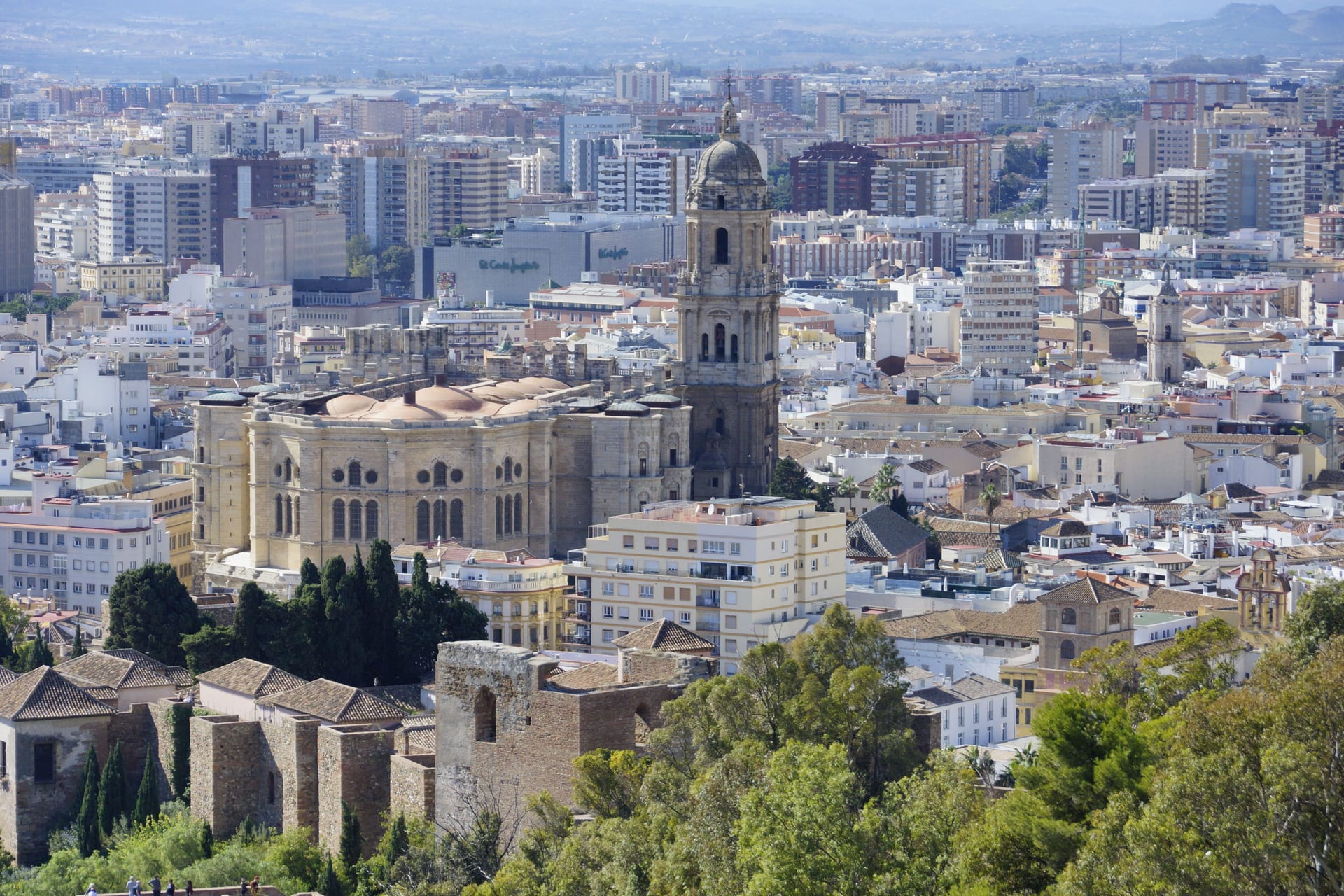
Málaga is a bright, coastal mid-sized city that makes outdoor living easy for much of the year. The local job market is the constraint: typical local pay is reasonably strong, but the professional ladder is narrower than the weather and international appeal might suggest.
Málaga at a glance
Vital stats
Where Málaga stands out
The metrics where Málaga sits farthest from the middle worldwide, good and bad.
Cheap to arrive, expensive to stay?
A typical one-bedroom in Málaga runs €825/mo. That is ~42% of one typical local employee’s mean net pay. This is a solo-newcomer stress test: sitting tenants, shared homes, subsidised housing and informal rents are deliberately outside the numerator.
The fastest way to test a shortlist is to go. A week on the ground tells you things no ranking can.
Partner link
Approved language-learning and international money resources for practical next steps.
Daily life in Málaga
How Málaga scores
Category by category
Affordability
69/100Málaga's open-market one-bedroom rent on a new lease is about €825 per month. That is roughly 42% of one typical employee's mean net pay, a rent burden labelled tight alone.
Climate
mediterraneanMálaga gets about 286 bright days and only around 41 rainy-grey days, with mild winters and warm summers. Coastal humidity can still make the hottest months feel heavy, but the overall pattern is unusually bright and comfortable for a European city.
Nature access
coastalThe coastline carries it. Beaches are right in the city, the Sierra mountains and good hiking sit close enough for weekends, and there is real variety within a short drive. Inside the city itself, though, parks and green space per resident are thin, and there is little in the way of lakes or rivers, so the outdoors here is more about sea and hills than leafy urban nature.
Urban form
mid-sizedMálaga's urban scale is genuinely modest, with a metro population of about 523,000. The compact, walkable core and low car dependence make daily life easy, though lower density and a quieter tempo will feel provincial beside Spain's largest cities.
Public life & spaces
74/100Málaga has reinvented itself — the centre and port are now genuinely clean, a notch above Madrid. The pedestrianised core, the port park and a string of plazas and promenades make generous shared space. And it stays cheap: museums, beaches, festivals and street life keep daily pleasure affordable, just below the capital.
Safety
75/100One of the safer corners of Europe to settle. Violent crime is rare, the streets feel comfortable after dark, and traffic is relatively orderly. The honest caveat is petty crime, the pickpocketing and bag-snatching common to sunny tourist cities, which is worth ordinary vigilance in crowded areas. Nothing about the day-to-day feels unsafe.
Healthcare
71/100Spain's public system is solid and reaches Málaga well, with good hospitals and dependable emergency care, and out-of-pocket costs stay low. Specialist doctor availability is middling rather than abundant, and while some staff manage in English, care leans on Spanish, so a working grasp of the language smooths things considerably outside the larger private clinics.
Family life
66/100A strong place to raise children outdoors, where the climate and coast make an active, open-air childhood the norm and the city feels safe for kids. Schools and childcare are decent without standing out, and family housing is affordable to rent. The relaxed local work culture leaves room for family life.
Career
57/100The local market is thin, and unemployment remains high, with opportunities concentrated in tourism, services, and a small but growing tech scene. Remote work is the stronger route. Typical local pay is reasonably strong, but the narrow local career track makes portable income the better fit.
Culture & food
69/100Punches above its size culturally for a city this small. There is a genuine Andalusian food scene built on seafood and tapas, a strong cafe culture, a respectable cluster of museums, and lively nightlife that runs late in the Spanish way. It will not match the breadth of Madrid or Barcelona, but the local character is distinct and unmissable.
Ease of integration
74/100Spanish is the working language of daily life, and while English goes a long way in the expat-heavy coastal pockets, real integration rewards learning it. The upside is a welcoming, open attitude toward newcomers and an easy cultural fit, so building local connections tends to be straightforward for people who put themselves out there and pick up some Spanish.
Connectivity
66/100Strengths and gaps both. The airport is excellent and well connected across Europe, internet is fast, intercity rail links are good, and roads rarely jam. In-city public transport is adequate rather than comprehensive, and cycling infrastructure lags, so getting around leans on walking and the occasional car or taxi more than on transit.
Social values
progressiveSocially open and broadly liberal, comfortable for LGBTQ residents and welcoming toward foreigners, in keeping with much of urban Spain. It is a touch more traditional and less secular than Madrid or northern European capitals, with Catholic customs still woven into public life, but day-to-day attitudes are relaxed and tolerant.
Relocation ease
56/100Spain's residence and work routes are relatively accessible, the language barrier is manageable, and the cultural adjustment is gentle. Where it bites is the paperwork: Spanish bureaucracy is slow and the housing search can be frustrating, with competition and informal practices to navigate. Patience, and ideally some local help, makes the landing far smoother.
The trade-offs
A year in Málaga
Jul peaks around 30°C, Jan days top out near 15°C, and the year brings roughly 286 bright days.
Can you actually move here?
The hard limits people most often bring to a move, scored against Málaga's data.
Moving with a pet
Bringing a pet into Spain is straightforward as an EU destination, with standard microchip, rabies vaccination, and pet-passport or health-certificate requirements and no quarantine for compliant animals. Plan the vaccination timing ahead and the move is low-stress.
Who Málaga works for
Answer the questionnaire and see where Málaga lands for you.
Take the free questionnaireWhere else to look
Málaga vs. comparable cities
The cities people weigh against Málaga
Unexpected siblings
Far from Málaga on the map, close across all 14 categories of daily life.