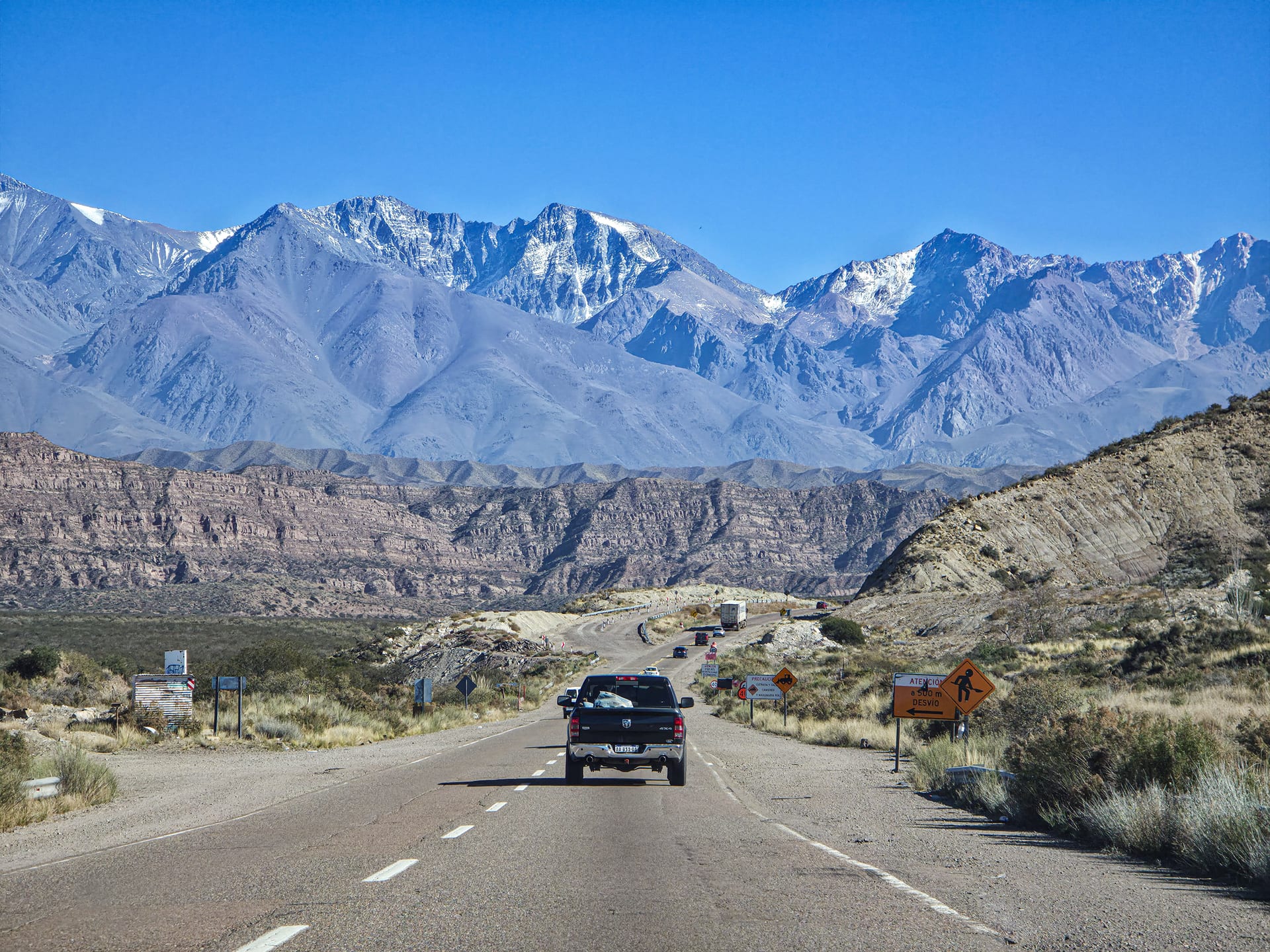
 Argentina
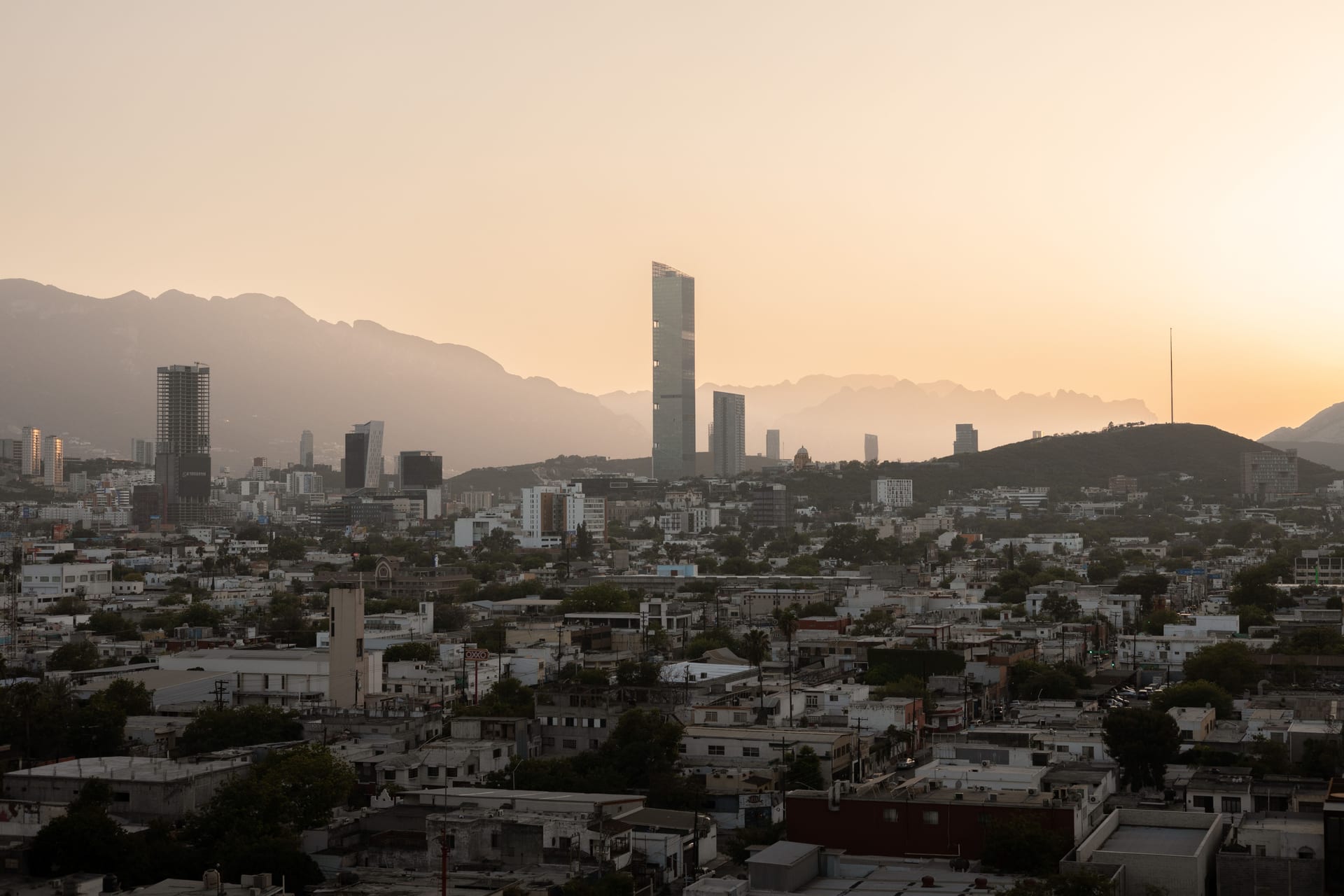
 Chile
Mendoza makes sense if
- A calmer day-to-day safety profile matters most to you.
- You value stronger public spaces and everyday city life.
Mendoza and Santiago are close on safety and healthcare, yet Santiago leads career and culture and food. Mendoza is cheaper and edges public life, with a more relaxed wine-country rhythm.
The grey shape is all 283 cities; each row says whether lower or higher is better. Ratings out of 10 are our reviewed estimates; the rest is published data. How we measure
Set how much each area counts. The ranking updates as you go. Climate and values are left out because there is no better or worse there, only your taste.
Leads on nature & outdoors, work & family and moving & settling in; stands out for train connections and flight connections.
Closest to the top on money, 2 points behind Santiago; stands out for traffic flow and space for the money.
Scores out of 100, averaged from the areas you weighted. For a ranking built around your own situation, take the quiz.
Rent on a new lease, everyday prices and tax.
The year month by month. Whether it suits you is yours to judge.
Solid line: average daytime high. Dashed: night-time low. Point at the chart for any month; point at a city name to shade its range.
How easily you get to water, mountains and green space.
Getting around on foot, food, culture and the feel of the streets.
Crime, how safe people feel, and the care you would get.
Jobs, working culture, schools and raising kids.
Visas, language, paperwork and staying connected.
Where each city sits. There is no right end of these scales.
A small, calm city by Argentine standards, far more provincial than sprawling Buenos Aires. The pace is unhurried, density is low, and getting around the wider area usually means a car.
A large, dense capital that spreads wide across its valley floor. Walkability and neighbourhood character are decent in the central barrios but uneven once you move out, and getting around the sprawl often means leaning on a car.
Serious violent crime is uncommon and the homicide rate sits low, making it feel safer than many larger Latin American cities. Petty theft and a general wariness after dark are the everyday concerns, roughly on par with Buenos Aires.
Serious violent crime stays low for the region, and the homicide rate is among the better figures in Latin America. Petty crime is the everyday concern, with pickpocketing and phone-snatching common, and that keeps the felt sense of safety after dark more cautious than the hard numbers alone would imply.
Locally, Mendoza's market is small, with few English-language openings and unemployment elevated. Care is serviceable rather than excellent.
Santiago has a reasonably established local market and a real startup and technology base. Care quality and hospital access rank above the regional norm, helped by a strong private sector, and doctor availability is reasonable.
Nightlife, museums and the arts are present but quieter than Buenos Aires. Mendoza is leafy and tidy, its tree-lined streets fed by old irrigation channels, its grand plazas and wide boulevards laid out after the earthquake.
A capable cultural capital with good restaurants, museums, live music, and a nightlife that holds its own, anchored by Chile's distinctive food and wine country at the doorstep. Santiago is wealthier and orderly, its core well-kept around the Plaza de Armas and metro-served squares, though smog hangs over it.
Pick Santiago for technology, startups and a deeper local market. Mendoza suits remote workers who value lower rent, wine-country life and a smaller, more approachable public realm.
These numbers treat everyone the same. The quiz weighs them by your budget, climate taste, family and work, and ranks all 283 cities for you.