
Living in Santiago
Chile's capital combines warm, dry summers with a long run of bright days, then turns cooler and greyer in winter. The city has a credible local career base, but typical local pay is low by the standards of the cities covered, and poor air quality is a meaningful trade-off for residents.
Santiago at a glance
Vital stats
Shown in USD: the local currency (CLP) moves too fast for stable monthly figures.
Where Santiago stands out
The metrics where Santiago sits farthest from the middle worldwide, good and bad.
Cheap to arrive, expensive to stay?
A typical one-bedroom in Santiago runs $613/mo. That is ~65% of one typical local employee’s mean net pay. This is a solo-newcomer stress test: sitting tenants, shared homes, subsidised housing and informal rents are deliberately outside the numerator.
The fastest way to test a shortlist is to go. A week on the ground tells you things no ranking can.
Partner link
Approved language-learning and international money resources for practical next steps.
Daily life in Santiago
How Santiago scores
Category by category
Affordability
70/100Santiago's open-market one-bedroom rent on a new lease is about $613 per month. That is roughly 65% of one typical employee's mean net pay, a rent burden labelled sharing likely.
Climate
temperateWarm, dry summers and 292 bright days make Santiago's best months easy to enjoy. Winter is cooler and distinctly greyer, while poor air quality becomes the main environmental drawback. Humidity is rarely a problem, and muggy weather is almost absent.
Nature access
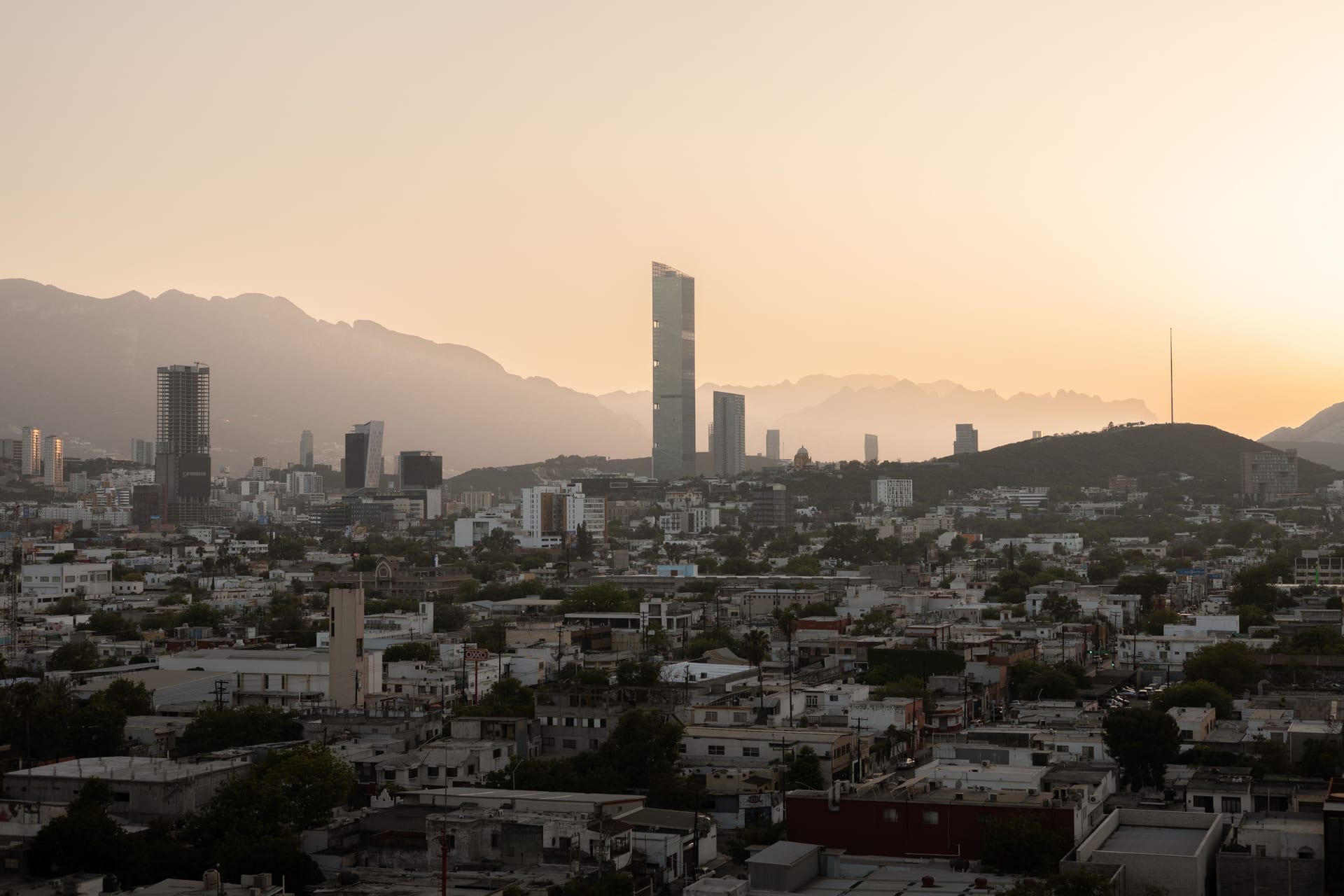
alpineThis is the city's signature strength. The Andes rise right at the edge of town, putting world-class hiking and ski terrain within reach of a normal weekend, and the coast is a manageable drive away. Inside the city limits, green space per resident is thin, so the outdoors is something residents drive toward rather than step into.
Urban form
megacityA large, dense capital that spreads wide across its valley floor. Walkability and neighbourhood character are decent in the central barrios but uneven once you move out, and getting around the sprawl often means leaning on a car. The pace is steady and workmanlike, busier than Medellín but well short of Mexico City's intensity.
Public life & spaces
63/100Santiago is wealthier and orderly, its core well-kept around the Plaza de Armas and metro-served squares, though smog hangs over it. Free parks and museums give real public life. It costs more than the regional norm, though, and some of what you'd enjoy elsewhere for free sits behind a price here.
Safety
54/100Serious violent crime stays low for the region, and the homicide rate is among the better figures in Latin America. Petty crime is the everyday concern, with pickpocketing and phone-snatching common, and that keeps the felt sense of safety after dark more cautious than the hard numbers alone would imply. Roads are relatively safe by regional measure.
Healthcare
63/100Care quality and hospital access rank above the regional norm, helped by a strong private sector, and doctor availability is reasonable. The public-private split adds some complexity for a newcomer to navigate, and out-of-pocket exposure is real without the right insurance. Solid overall, with the better treatment concentrated in private clinics.
Family life
53/100Schools and childcare sit around the regional average, and the Andes give kids genuine outdoor weekends. The harder edge is work-life culture, which leans toward long hours and leaves less family time than parents from northern Europe would expect. Parental-leave norms are modest. Workable for families who value the outdoors over a gentle schedule.
Career
67/100Santiago has a reasonably established local market and a real startup and technology base. Typical local pay is below the level found in many of the cities covered, while unemployment is high and English-language roles are limited. Remote work is workable, but an English-only local job search is difficult.
Culture & food
67/100A capable cultural capital with good restaurants, museums, live music, and a nightlife that holds its own, anchored by Chile's distinctive food and wine country at the doorstep. It is more reserved and less effervescent than Mexico City, and the scene rewards those who dig in. The main barrier is language, with English doing little in everyday cultural life.
Ease of integration
56/100Newcomers find a society that is welcoming on the surface but slow to open its inner circles, and warmth toward foreigners runs a touch cooler here than in Mexico or Colombia. Spanish is non-negotiable for real connection, since English alone goes only so far. Those who commit to the language and stay a while build genuine local ties; the rest can drift into expat bubbles.
Connectivity
55/100Internet is fast and widely available, ranking well above regional peers, and the metro is clean and useful by Latin American standards. Where it falls down is rail between cities, which barely exists, so intercity travel means buses or flights. Traffic congestion is moderate and utilities are dependable. A well-wired city with a transport gap beyond its borders.
Social values
progressiveChile has moved toward the liberal end for the region, with relatively good LGBTQ acceptance and a fairly secular public life. Attitudes remain more measured than in the most progressive Latin American capitals, and gender norms and openness to outsiders lag the social progress on other fronts. Moderate and gradually shifting rather than firmly liberal.
Relocation ease
55/100Setting up here is more straightforward than the regional average on several fronts, with a relatively accessible residence path and lighter bureaucracy than many neighbours. Banking and admin can still be sluggish for a newcomer, and the language barrier is the main hurdle for anyone without Spanish. A manageable move overall, easier with the language in hand.
The trade-offs
A year in Santiago
Jan peaks around 29°C, Jun days top out near 16°C, and the year brings roughly 292 bright days.
Can you actually move here?
The hard limits people most often bring to a move, scored against Santiago's data.
Moving with a pet
Bringing a pet into Chile is relatively manageable, with import rules that are clear and middle-of-the-road in difficulty. Expect standard vaccination records, a health certificate, and some advance paperwork rather than a long quarantine.
Who Santiago works for
Answer the questionnaire and see where Santiago lands for you.
Take the free questionnaireWhere else to look
Santiago vs. comparable cities


Objective scores (0–100) for Santiago and its 4 nearest comparable cities.
The cities people weigh against Santiago
Unexpected siblings
Far from Santiago on the map, close across all 14 categories of daily life.


