Affordability
69/100Mendoza's open-market one-bedroom rent on a new lease is about $472 per month. That is roughly 81% of one typical employee's mean net pay, a rent burden labelled solo unlikely.
Climate
mediterraneanMendoza's climate is dry and bright, with hot summers and cold winters. It has 305 bright days and only 35 grey, rainy days, while muggy weather is uncommon. Winter is crisp rather than mild, and air quality is less clean than the clear skies might suggest.
Nature access
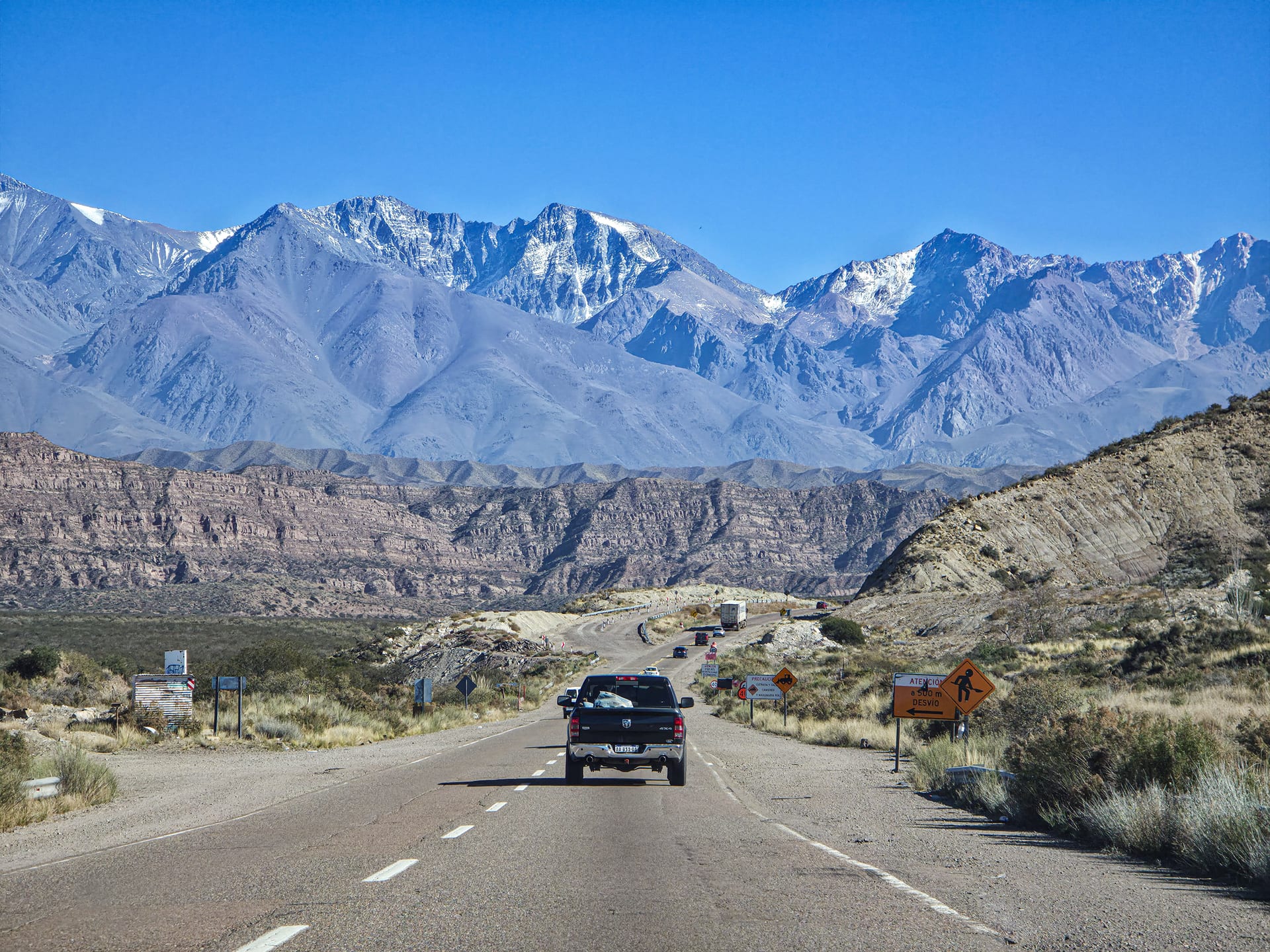
alpineThis is the headline. Mendoza opens straight onto the high Andes, with hiking, weekend escapes and national parks all within easy reach, about as good as mountain access gets anywhere. Rivers and a handful of city parks round it out. What it lacks is the coast, there is no ocean for hundreds of kilometres, and dense forest is scarce.
Urban form
small cityA small, calm city by Argentine standards, far more provincial than sprawling Buenos Aires. The pace is unhurried, density is low, and getting around the wider area usually means a car. The core is walkable and the neighbourhoods are pleasant, but anyone wanting big-city energy will find it modest.
Public life & spaces
67/100Mendoza is leafy and tidy, its tree-lined streets fed by old irrigation channels, its grand plazas and wide boulevards laid out after the earthquake. Argentine living stays cheap, and the squares cost nothing. The honest catch: the wine culture that defines the place often sits behind a price tag.
Safety
56/100Serious violent crime is uncommon and the homicide rate sits low, making it feel safer than many larger Latin American cities. Petty theft and a general wariness after dark are the everyday concerns, roughly on par with Buenos Aires. Argentina's wider political and economic instability is the bigger background worry.
Healthcare
58/100Care is serviceable rather than excellent. Doctors are reasonably available and out-of-pocket costs stay manageable, but hospital quality, emergency reliability and the depth of specialist care trail what a major capital offers. English-speaking doctors are limited, so Spanish helps a great deal in a clinic.
Family life
53/100A workable place to raise kids, strongest on the outdoor side, with parks, playgrounds and easy access to the mountains for an active childhood. Schools and child safety are middling, and family-sized housing is more attainable here than in bigger Argentine cities. Parental leave and formal family supports are thin by European standards.
Career
42/100Locally, Mendoza's market is small, with few English-language openings and unemployment elevated. Local pay is low, while limited industry depth and a thin professional network narrow the paths for newcomers. Remote work is a better fit than relying on local career-building.
Culture & food
57/100Punches above its size on food and wine, unsurprising for the heart of Argentine wine country, with solid restaurants, good cafes and a genuine local culture. Nightlife, museums and the arts are present but quieter than Buenos Aires. The main barrier for newcomers is language: little gets done in English here.
Ease of integration
59/100Locals are warm and reasonably open to outsiders, which softens the landing. The real hurdle is Spanish, the city runs on it and English goes only so far, so building a social life and integrating depends heavily on learning the language. Cultural adjustment is manageable, but the expat community is small.
Connectivity
37/100Functional but basic. Roads flow more freely than in the bigger Argentine cities, yet public transport is limited, the airport offers modest connections, and intercity rail is essentially absent. Internet is adequate without being fast, and day-to-day utilities can be patchy, in line with much of the country.
Social values
progressiveModerate and broadly tolerant, more relaxed than rural Argentina but a notch more traditional than cosmopolitan Buenos Aires. Public life is fairly secular and attitudes toward LGBTQ residents and newcomers are reasonably open. Diversity is limited, and civic trust in institutions runs low, a national pattern.
Relocation ease
54/100Visas and work authorization are relatively straightforward, an easier entry than much of Europe. The friction comes later: banking, paperwork and bureaucracy are slow and frustrating, housing can take effort to secure, and the whole system rewards patience. Without Spanish, every admin errand gets harder.