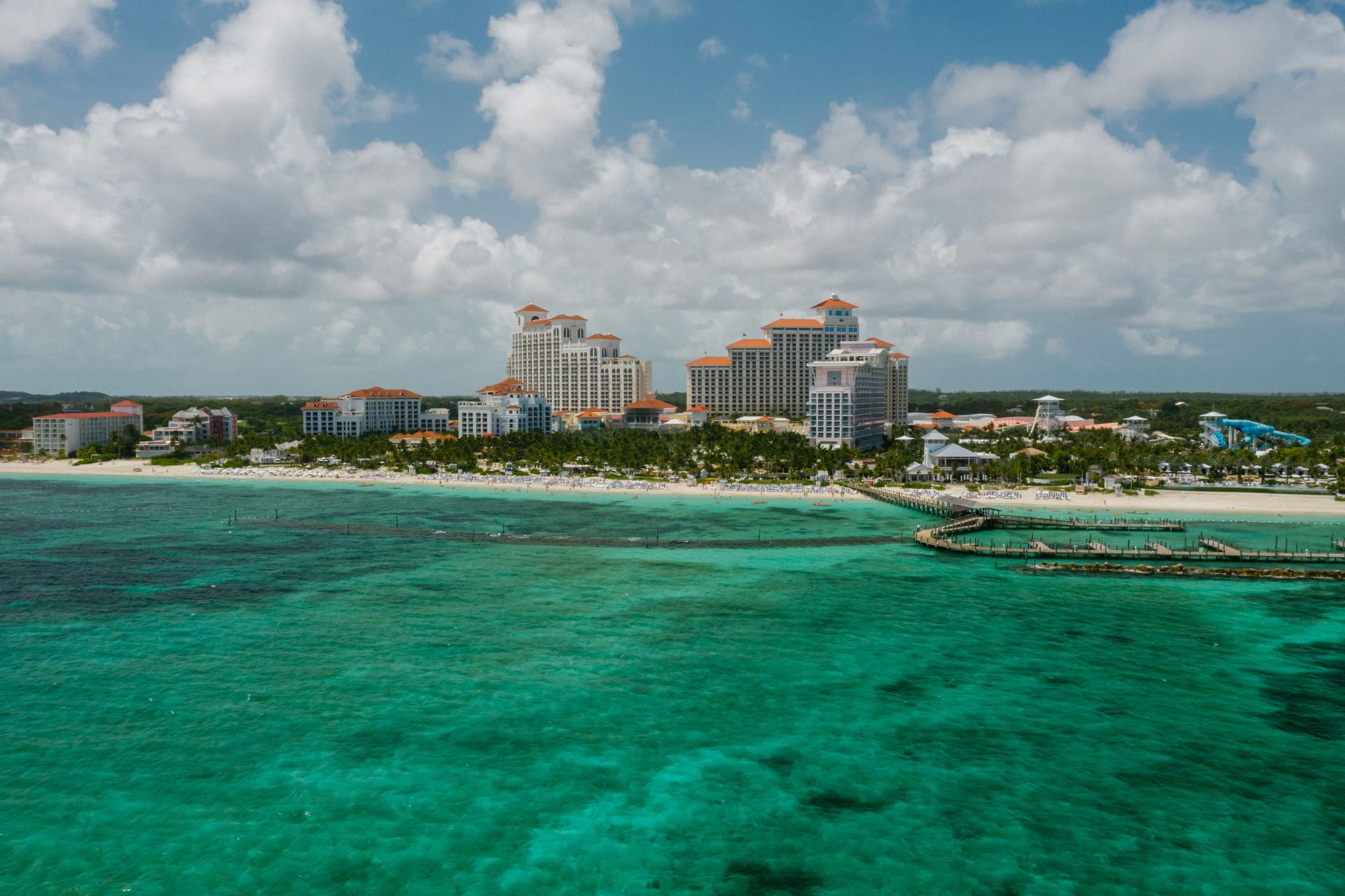
 Bahamas
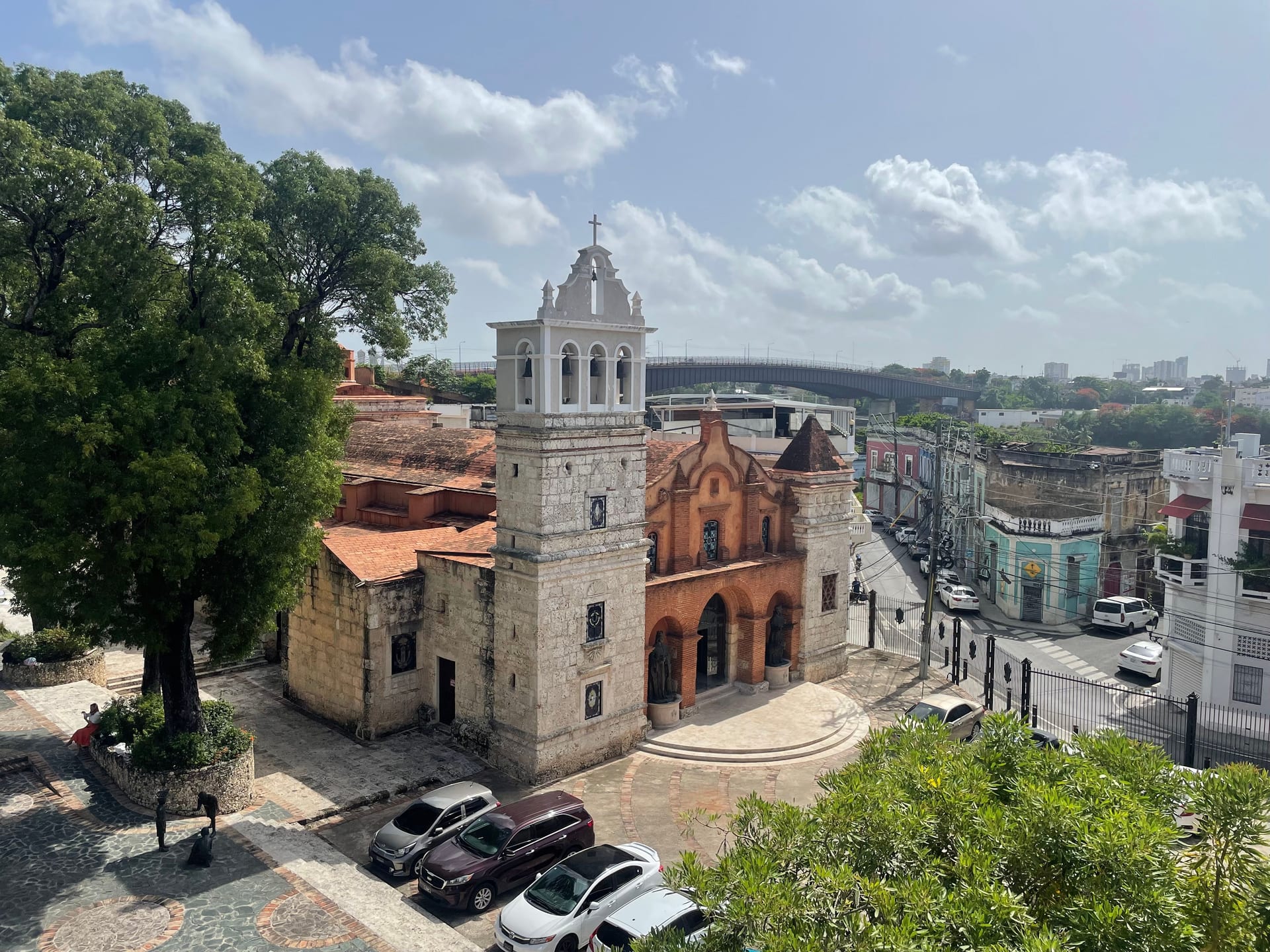
 Dominican Republic
Nassau makes sense if
- A calmer day-to-day safety profile matters most to you.
- Access to stronger healthcare matters most to you.
Nassau is a low-rise island capital beside turquoise water, with a relaxed pace but car-dependent routines and few big-city conveniences. Santo Domingo stays hot and humid, with a limited local job market that makes portable income useful.
The grey shape is all 283 cities; each row says whether lower or higher is better. Ratings out of 10 are our reviewed estimates; the rest is published data. How we measure
Set how much each area counts. The ranking updates as you go. Climate and values are left out because there is no better or worse there, only your taste.
Leads on nature & outdoors and city life; stands out for easier house-hunting and music & art scene.
Leads on safety & health and moving & settling in; stands out for safer roads and a smaller language barrier.
Scores out of 100, averaged from the areas you weighted. For a ranking built around your own situation, take the quiz.
Rent on a new lease, everyday prices and tax.
The year month by month. Whether it suits you is yours to judge.
Solid line: average daytime high. Dashed: night-time low. Point at the chart for any month; point at a city name to shade its range.
How easily you get to water, mountains and green space.
Getting around on foot, food, culture and the feel of the streets.
Crime, how safe people feel, and the care you would get.
Jobs, working culture, schools and raising kids.
Visas, language, paperwork and staying connected.
Where each city sits. There is no right end of these scales.
Nassau is a small capital that sprawls rather than rises, far less dense than Panama City or any major mainland metro. The pace is calm and unhurried.
A mid-sized capital that leans heavily on cars. Walkability is poor outside the colonial core, neighbourhood quality varies, and getting around usually means driving or hailing a ride.
Safety is a real weak spot. The homicide rate runs high by regional standards, above Panama City and Mexico City, and residents tend to be cautious about where and when they move around at night.
Homicide levels land roughly where Medellín and Panama City sit, better than they once were but still well above European norms, and everyday street safety is only middling, especially after dark. The sharpest concern is the road: traffic safety scores at the bottom, with aggressive driving and weak enforcement making the streets genuinely hazardous.
English removes the main language barrier in Nassau, but the local market remains narrow. Care is serviceable for routine needs and everything operates in English, which removes a major source of stress for newcomers.
Local options in Santo Domingo are narrow rather than absent. Private clinics in the capital handle routine needs and many specialist cases at a workable level, and some staff speak English.
Culture here is relaxed and outward-facing rather than deep. Nassau's cruise-port strip is kept presentable, but step past it and the upkeep frays into litter and wear.
The cultural pull is local life itself, the music, the dance, the street energy, which holds its own with Medellín and outshines more buttoned-up Panama City. Santo Domingo is lively and littered, dense and unevenly kept, but its Zona Colonial holds the oldest plazas in the Americas and the Malecon runs free along the sea.
Nassau suits someone seeking quiet island life and can work around driving and limited services. Santo Domingo offers a lower-cost, warmer urban base, but local earnings and career options are constrained.
These numbers treat everyone the same. The quiz weighs them by your budget, climate taste, family and work, and ranks all 283 cities for you.