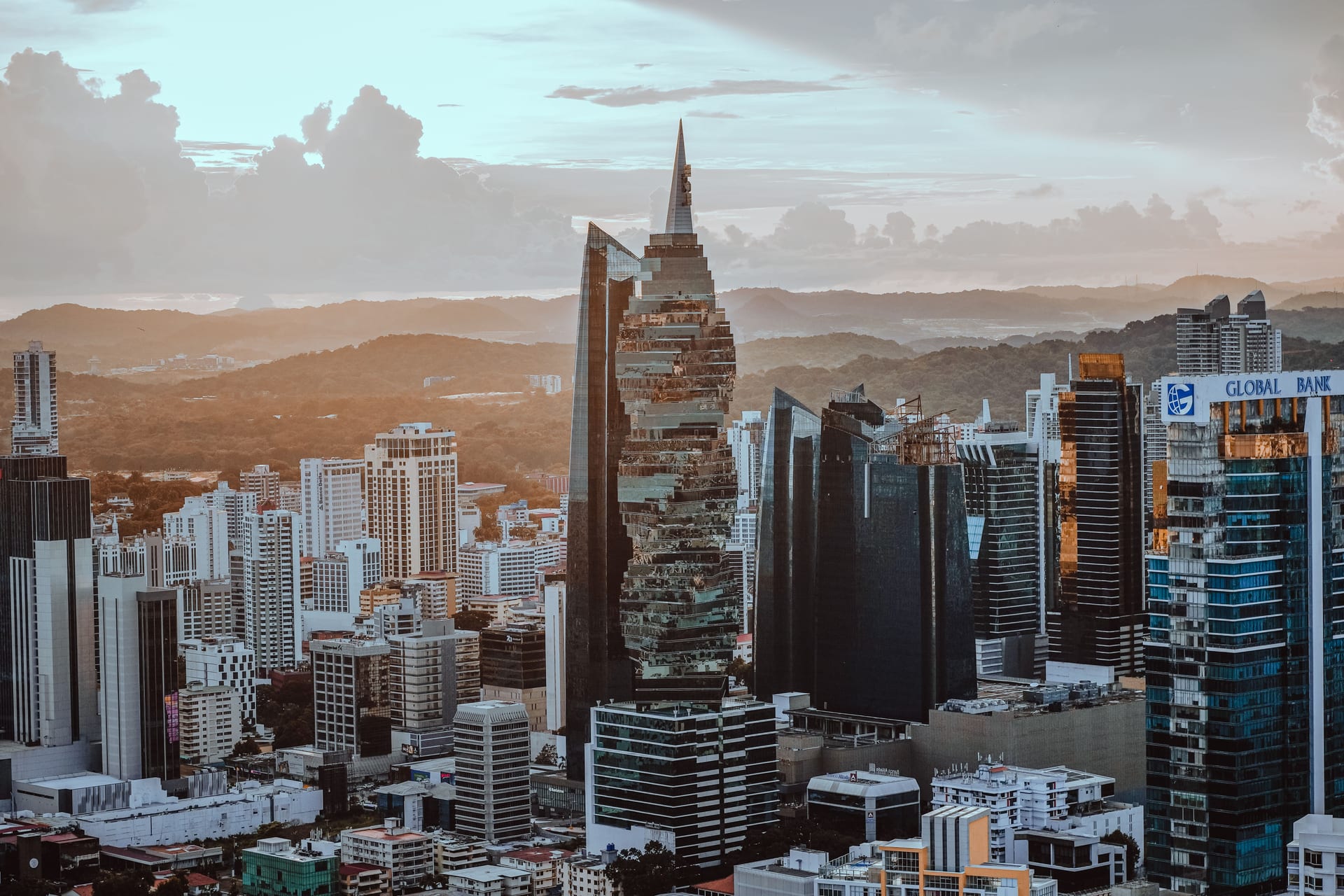
 Panama
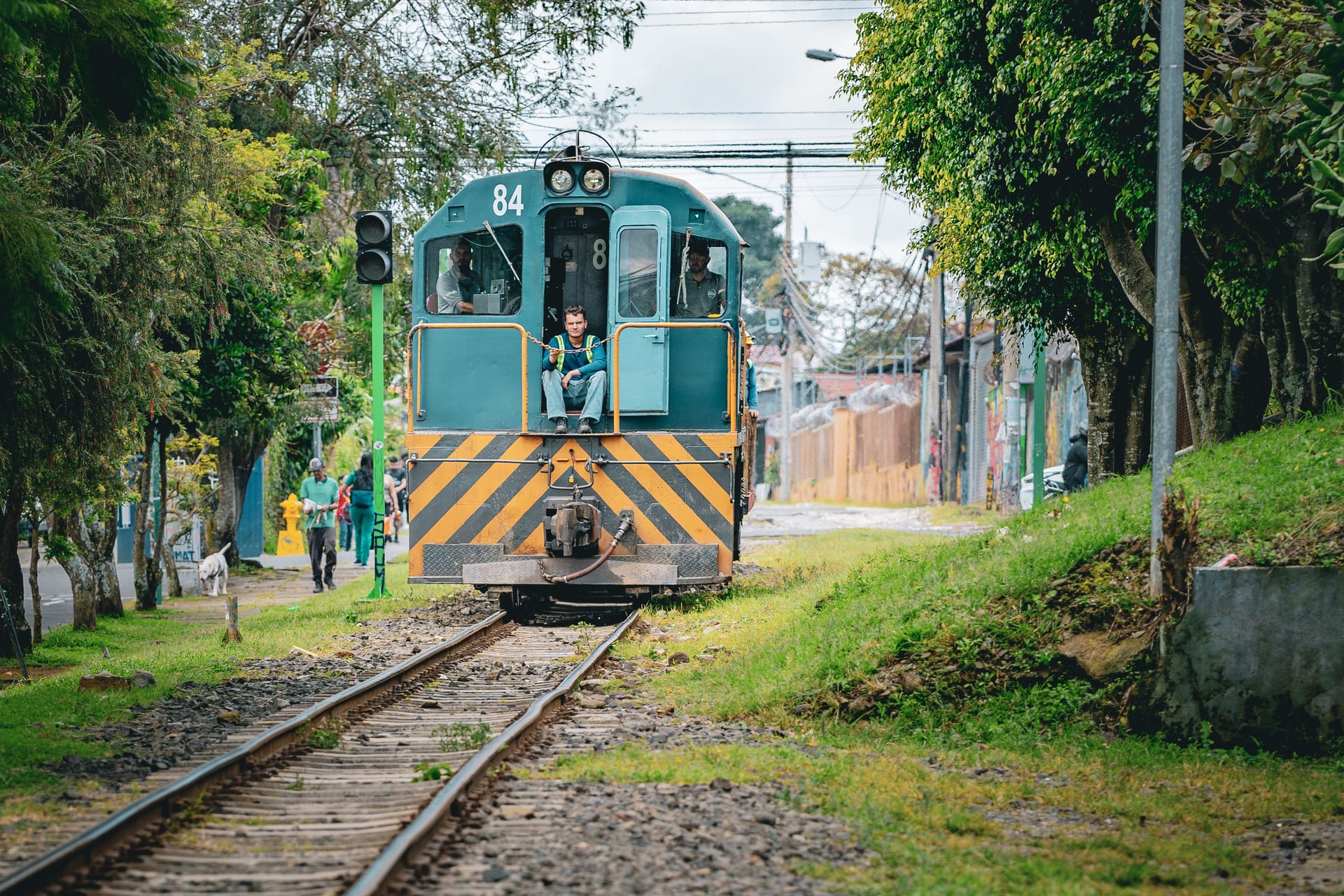
 Costa Rica
Panama City makes sense if
- You want the easier housing and budget equation in this comparison.
- You value stronger public spaces and everyday city life.
Panama City offers the stronger international economy, restaurant scene, and waterfront public life around its modern skyline. San José is slightly cheaper, with a stronger public-health reputation and steadier political setting, though both markets favour remote income.
The grey shape is all 283 cities; each row says whether lower or higher is better. Ratings out of 10 are our reviewed estimates; the rest is published data. How we measure
Set how much each area counts. The ranking updates as you go. Climate and values are left out because there is no better or worse there, only your taste.
Leads on nature & outdoors and work & family; stands out for milder summers and fewer muggy days.
Leads on moving & settling in; stands out for life without a car and space for the money.
Scores out of 100, averaged from the areas you weighted. For a ranking built around your own situation, take the quiz.
Rent on a new lease, everyday prices and tax.
The year month by month. Whether it suits you is yours to judge.
Solid line: average daytime high. Dashed: night-time low. Point at the chart for any month; point at a city name to shade its range.
How easily you get to water, mountains and green space.
Getting around on foot, food, culture and the feel of the streets.
Crime, how safe people feel, and the care you would get.
Jobs, working culture, schools and raising kids.
Visas, language, paperwork and staying connected.
Where each city sits. There is no right end of these scales.
A car city of sprawling towers and wide roads rather than a place built for walking. Density is low for the region and sidewalks give out quickly, so most residents drive or rely on ride apps to get around.
San José is a small, low-slung capital that sprawls into endless suburbs, and life leans heavily on a car. Walkability is poor, neighbourhoods vary, and getting around without driving is a chore.
Better than its reputation suggests on the most serious measures, with a homicide level low for Central America and notably safer roads than Mexico City or Medellín. Day-to-day, though, petty theft and a wary feeling after dark keep residents alert in certain districts.
San José's safety picture is sharply mixed. Political stability is a strong counterweight, but it does not remove the need for practical caution in the city.
Panama City is better suited to remote work or outside income than to building a deep local career. Private hospitals are good by regional standards and many doctors speak English, which makes the city a known destination for medical care and a comfortable place for foreigners to be treated.
San José has a usable local market, though it is not deep across industries or professional networks. Costa Rica's public system is well regarded for the region, hospital access is reasonable, and finding English-speaking care is workable, which draws medical tourists and retirees.
Eating and going out are the strong suits, with a solid restaurant range and lively nightlife fed by a large international crowd. Panama City's glassy skyline reads tidier from a distance, but humid grime and hard poverty sit close behind it.
The cultural scene is modest for a capital, with a quieter nightlife, arts and museum offering than larger Latin American cities. San Jose is a workaday capital, traffic-heavy and unevenly kept, more a place you pass through than linger in.
Choose Panama City for banking, logistics, international connections, and a more active civic scene. San José suits people who value Costa Rica's healthcare reputation and a less vertical capital; career depth is limited in both.
These numbers treat everyone the same. The quiz weighs them by your budget, climate taste, family and work, and ranks all 283 cities for you.