
Living in Panama City
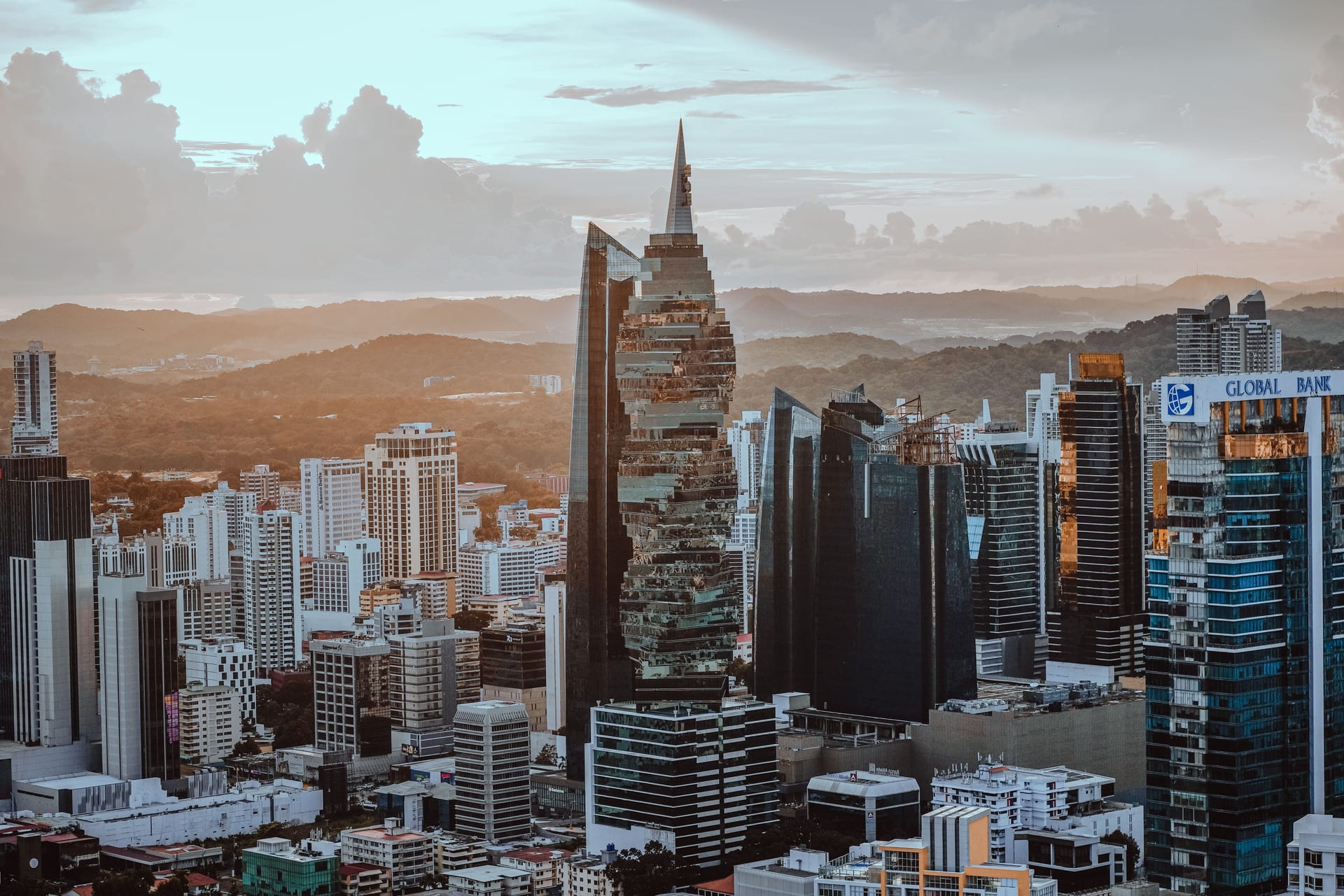
A dollarized banking and shipping hub where glass towers rise over the Pacific and the rainforest starts at the edge of town. Living here means warm prices, an easy landing for foreigners, and a heat-and-humidity that rarely lets up. It feels more business-minded and international than most Latin American capitals, closer in spirit to a regional Miami than to laid-back San José next door.
Panama City at a glance
Vital stats
Where Panama City stands out
The metrics where Panama City sits farthest from the middle worldwide, good and bad.
Cheap to arrive, expensive to stay?
A typical one-bedroom in Panama City runs $604/mo. That is ~74% of one typical local employee’s mean net pay. This is a solo-newcomer stress test: sitting tenants, shared homes, subsidised housing and informal rents are deliberately outside the numerator.
The fastest way to test a shortlist is to go. A week on the ground tells you things no ranking can.
Partner link
Approved language-learning and international money resources for practical next steps.
Daily life in Panama City
How Panama City scores
Category by category
Affordability
72/100Panama City's open-market one-bedroom rent on a new lease is about $604 per month. That is roughly 74% of one typical employee's mean net pay, a rent burden labelled sharing likely.
Climate
tropicalPanama City stays hot, averaging about 26°C in both January and July, with muggy conditions through the year. Clear, bright days are scarce and grey or rainy weather fills much of the calendar, though there is almost no seasonal darkness. Air quality is middling, while extreme-weather risk is comparatively contained.
Nature access
forestedThe rainforest is genuinely on the doorstep, with national parks, jungle trails, and Pacific coastline all within easy reach for weekends. Forest and wildlife access stand out among regional capitals. Inside the city itself green space is thinner on the ground, and anyone craving real mountains will need to drive toward the highlands.
Urban form
mid-sizedA car city of sprawling towers and wide roads rather than a place built for walking. Density is low for the region and sidewalks give out quickly, so most residents drive or rely on ride apps to get around. Neighbourhoods range from polished high-rise enclaves to older quarters, and the daily pace sits moderate, busier than sleepy Medellín but calmer than Mexico City.
Public life & spaces
48/100Panama City's glassy skyline reads tidier from a distance, but humid grime and hard poverty sit close behind it. The Cinta Costera waterfront and Casco Viejo's plazas give real public life, free to walk. Dollarized prices run high, though, so the cheap, spilling-out street culture of its neighbours is thinner here.
Safety
57/100Better than its reputation suggests on the most serious measures, with a homicide level low for Central America and notably safer roads than Mexico City or Medellín. Day-to-day, though, petty theft and a wary feeling after dark keep residents alert in certain districts. Political life is stable enough, if not without friction.
Healthcare
55/100Private hospitals are good by regional standards and many doctors speak English, which makes the city a known destination for medical care and a comfortable place for foreigners to be treated. The weak spot is supply: doctors per resident run thin, so public options can be stretched and private insurance becomes the practical route to fast, reliable care.
Family life
45/100A workable but unremarkable place to raise children. Schools, childcare, and family housing all land in the middle of the pack, the warm climate supports an outdoor childhood, and parks are adequate without being plentiful. Parental leave and family-support norms lag well behind northern Europe, so working parents lean on private help.
Career
60/100Panama City is better suited to remote work or outside income than to building a deep local career. Unemployment is high, the startup scene is limited, and English-language roles are available but not especially broad. Local pay is below the corpus midpoint, so the city's work appeal depends heavily on where income comes from.
Culture & food
60/100Eating and going out are the strong suits, with a solid restaurant range and lively nightlife fed by a large international crowd. Where it falls short is the deeper cultural layer: museums, the arts, and the live music scene are modest compared with Mexico City's depth. The international community is one of the largest and most visible in the region.
Ease of integration
74/100Spanish runs daily life, though English is widely spoken in business and expat circles, which softens the landing for newcomers. Panama is markedly open to foreigners and home to a large, settled international population, so finding a footing among other transplants is straightforward. Weaving into local Panamanian society takes more Spanish and more patience.
Connectivity
40/100The airport is the real asset, a major hub with direct reach across the Americas and beyond that makes leaving and returning effortless. On the ground it is patchier: there is essentially no intercity rail, cycling infrastructure is minimal, and public transport and utilities are serviceable rather than dependable. Traffic clogs but stays milder than in the region's bigger capitals.
Social values
mixedWelcoming to outsiders and diverse by Latin American measures, yet socially conservative underneath. Attitudes on gender, secular life, and LGBTQ acceptance sit below the more progressive Mexico City, and civic trust in institutions is low. Foreigners are received warmly even where the broader culture stays traditional.
Relocation ease
60/100Among the easier moves in the hemisphere. Residency pathways are unusually accessible, the language barrier is gentle for anyone with some Spanish, and finding housing or settling in culturally is comparatively painless. Everyday bureaucracy and opening bank accounts can still be slow, so paperwork takes patience even when the broader setup is friendly.
The trade-offs
A year in Panama City
Feb peaks around 30°C, Oct days top out near 28°C, and the year brings roughly 100 bright days.
Can you actually move here?
The hard limits people most often bring to a move, scored against Panama City's data.
Moving with a pet
Bringing a pet is relatively straightforward, easier than into much of Europe. Expect a health certificate and standard vaccination paperwork rather than long quarantine, though arranging the documents and timing ahead of travel is still worth the effort.
Who Panama City works for
Answer the questionnaire and see where Panama City lands for you.
Take the free questionnaireWhere else to look
Panama City vs. comparable cities


The cities people weigh against Panama City
Unexpected siblings
Far from Panama City on the map, close across all 14 categories of daily life.


