Affordability
70/100San José's open-market one-bedroom rent on a new lease is about $629 per month. That is roughly 54% of one typical employee's mean net pay, a rent burden labelled sharing likely.
Climate
tropicalMild temperatures make San José comfortable year-round, but the climate is dominated by cloud, rain and dampness rather than tropical heat. Only 79 bright days are recorded against 225 grey, rainy days, while very high humidity brings muggy conditions for roughly half the year. The mild temperatures are the consolation; light is the scarce commodity.
Nature access
forestedThis is where San José shines. Cloud forest, volcanoes and national parks lie within an easy weekend, hiking and mountain trails are close, and the wider country is one of the great outdoor destinations anywhere. Inside the city, though, green space is scarce and parks are limited, so the appeal lies just beyond the edges.
Urban form
mid-sizedSan José is a small, low-slung capital that sprawls into endless suburbs, and life leans heavily on a car. Walkability is poor, neighbourhoods vary, and getting around without driving is a chore. The pace is calm and unhurried, the opposite of a dense, high-energy metropolis, which suits some and frustrates others.
Public life & spaces
44/100San Jose is a workaday capital, traffic-heavy and unevenly kept, more a place you pass through than linger in. There are a few plazas and a pedestrian avenue, but little grand public space. Costa Rica runs pricier than its neighbours, with some free parks and events but no real bargain street life.
Safety
59/100San José's safety picture is sharply mixed. The homicide rate is about 18 per 100,000, and petty crime plus a drop in night-time confidence make after-dark travel a real consideration. Political stability is a strong counterweight, but it does not remove the need for practical caution in the city.
Healthcare
59/100Costa Rica's public system is well regarded for the region, hospital access is reasonable, and finding English-speaking care is workable, which draws medical tourists and retirees. The weak spot is the supply of doctors, which can mean waits, and private cover is often the practical route for newcomers wanting speed.
Family life
55/100Families find a calm, outdoor-oriented setting where children spend time outside and the rhythm of life is unhurried. Schooling and child-safety scores are middling rather than strong, family-sized housing is tight to find, and parental-leave support is limited, so the lifestyle case is stronger than the institutional one.
Career
61/100San José has a usable local market, though it is not deep across industries or professional networks. Local pay sits below the wider city comparison, while unemployment is around 7%. English-language roles and remote arrangements are comparatively workable, but local earnings remain the main constraint.
Culture & food
63/100The cultural scene is modest for a capital, with a quieter nightlife, arts and museum offering than larger Latin American cities. What carries it is the large, well-established international community and an everyday food culture of cafes and casual restaurants. It is a comfortable place to settle into rather than a cultural magnet.
Ease of integration
67/100Spanish is essential for daily life and deeper local friendships, though English is reasonably common and softens the early landing. Costa Ricans are notably open to foreigners, and the established expat and remote-worker scene makes finding an initial circle straightforward. Real integration, as anywhere, comes with the language.
Connectivity
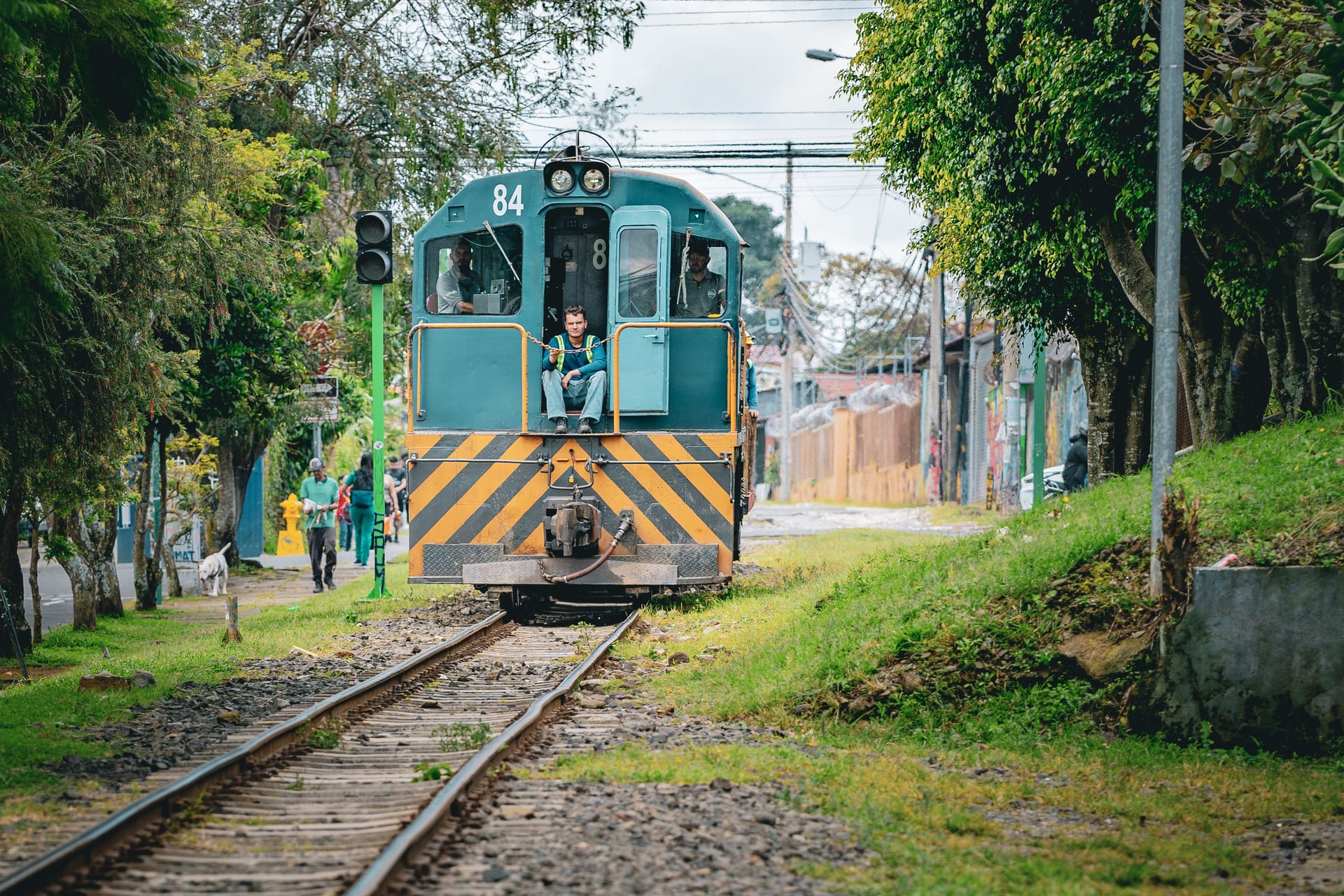
36/100This is a weak area. There are no intercity trains, public transport is limited and bus-dependent, cycling infrastructure barely exists, and traffic congestion is a daily fact of life. Digital connectivity and bureaucratic digitization lag, while utilities are dependable enough. The international airport keeps the city reasonably connected outward.
Social values
progressiveSocially, San José is moderate and welcoming, markedly open to foreigners and broadly tolerant by regional measures, with Costa Rica having moved ahead of many neighbours on social rights. Catholic tradition still shapes public life, so the secular feel is weaker than in more liberal capitals, but the overall tone is easygoing.
Relocation ease
55/100Costa Rica is one of the easier countries in the region to move to, with accessible residence routes and a manageable cultural adjustment helped by a friendly, foreigner-used population. Friction shows up in slow bureaucracy and banking admin, and the language barrier is real for anyone arriving without Spanish.