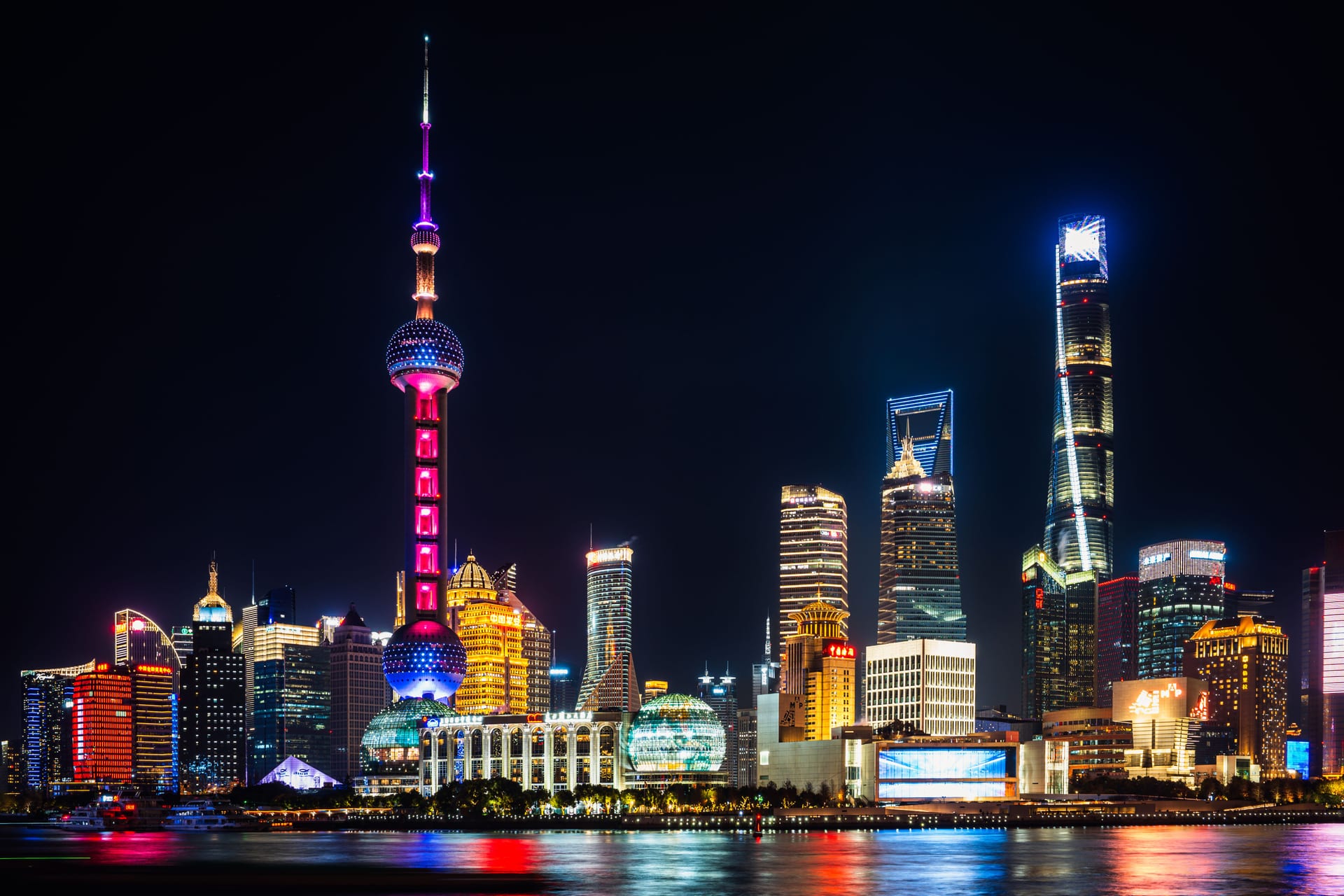
 China
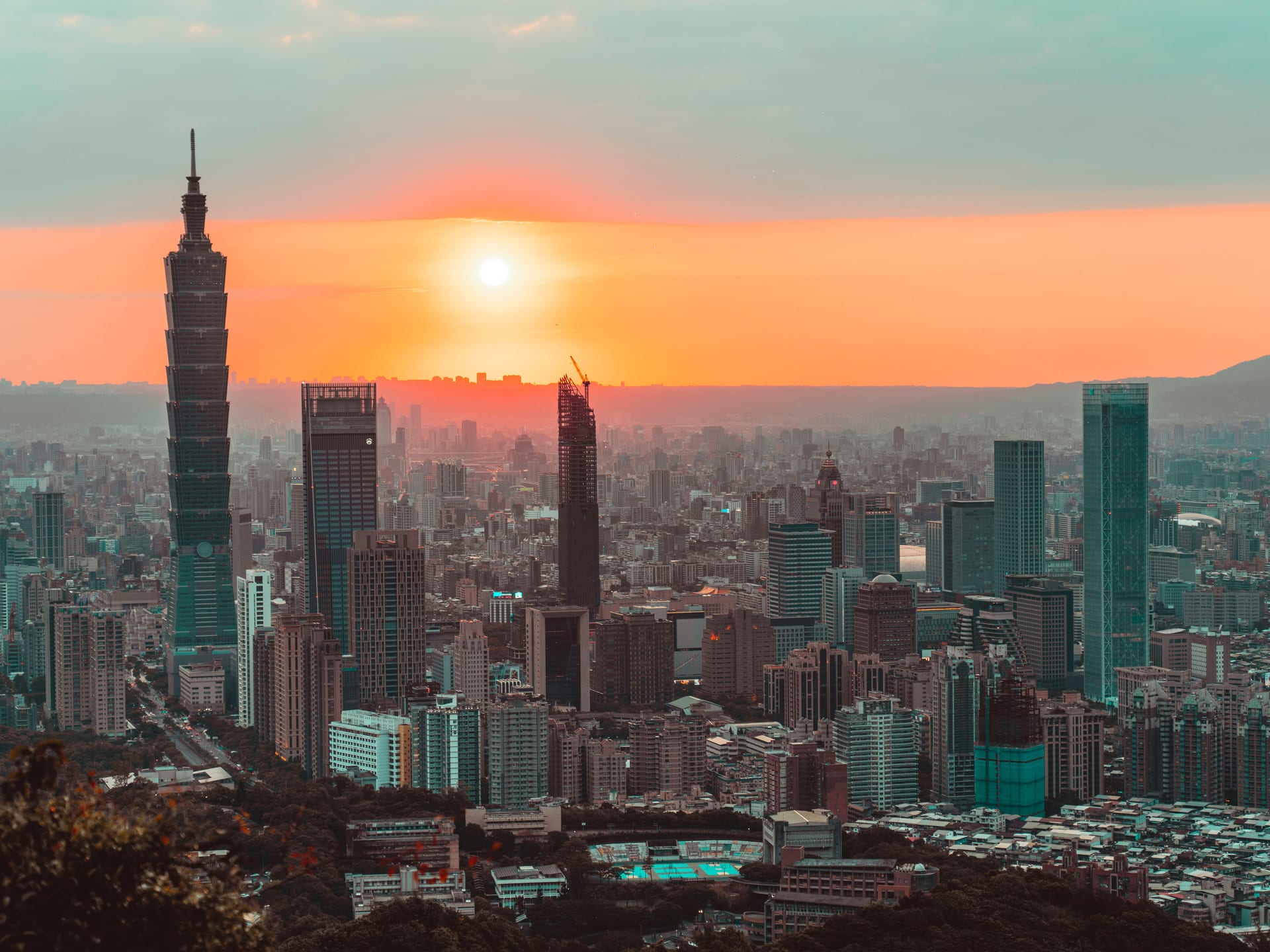
 Taiwan
Shanghai makes sense if
- You want the broader career options in this comparison.
- You value stronger public spaces and everyday city life.
Shanghai is a fast, dense commercial capital with world-class transport, food and career networks, but Mandarin and a tightly controlled civic environment shape daily life. Taipei has a strong local economy and very low violent crime, tempered by humid summers and a narrower English-language job market.
The grey shape is all 283 cities; each row says whether lower or higher is better. Ratings out of 10 are our reviewed estimates; the rest is published data. How we measure
Set how much each area counts. The ranking updates as you go. Climate and values are left out because there is no better or worse there, only your taste.
Leads on money, nature & outdoors, safety & health and moving & settling in; stands out for mountains and rent that fits local pay.
Tied best on city life with Taipei, both 80; stands out for cheaper groceries and fewer muggy days.
Scores out of 100, averaged from the areas you weighted. For a ranking built around your own situation, take the quiz.
Rent on a new lease, everyday prices and tax.
The year month by month. Whether it suits you is yours to judge.
Solid line: average daytime high. Dashed: night-time low. Point at the chart for any month; point at a city name to shade its range.
How easily you get to water, mountains and green space.
Getting around on foot, food, culture and the feel of the streets.
Crime, how safe people feel, and the care you would get.
Jobs, working culture, schools and raising kids.
Visas, language, paperwork and staying connected.
Where each city sits. There is no right end of these scales.
The metro-and-foot lifestyle works well and a car is rarely needed. Neighbourhoods are walkable and mixed-use, the tempo relentless, and apartments tend to be compact.
Cars feel optional. The trade-off is space, since apartments run small and family-sized homes are tight.
On street safety Shanghai is exceptional. Violent crime is rare, petty theft uncommon, and walking alone at night feels secure across most of the city, comparable to Tokyo or Hong Kong.
Taipei is among the safest major cities anywhere, with very low violent crime, little street trouble and a relaxed feeling on the streets at night. Petty crime is rare and people generally trust their surroundings.
Shanghai has a deep local market, broad industry base, and strong professional networks. Healthcare is solid if uneven.
Taipei offers a strong local market, especially in specialised industries, and unemployment is low. Taiwan's national health system is a real strength, with broad hospital access, reliable emergency care and low out-of-pocket costs that take the financial fear out of getting sick.
Food and culture are a major draw. Shanghai keeps its affluent centre fairly clean, even as the older lanes stay dense.
Food is the headline act, from night markets to an outstanding spread of restaurants and some of Asia's best vegetarian and vegan options thanks to a deep Buddhist tradition. Taipei is clean and orderly, a well-maintained city that's easy to be in.
Shanghai is the career choice if you are ready for a serious language barrier and a tightly regulated public sphere. Taipei offers a more comfortable day-to-day base and a strong local economy, though English-only job options are limited.
These numbers treat everyone the same. The quiz weighs them by your budget, climate taste, family and work, and ranks all 283 cities for you.