Affordability
71/100Taipei's open-market one-bedroom rent on a new lease is about $660 per month. That is roughly 28% of one typical employee's mean net pay, a rent burden labelled manageable solo.
Climate
subtropicalSummer is the hard part in Taipei, with July averaging around 30°C and the heat often turning muggy. January is mild at about 16°C, but grey or rainy conditions take up much of the year and clear days are limited. Winter is not dark, yet bright skies are not the city's strongest feature.
Nature access
alpineMountains press right up against the city, so trailheads, hot springs and forest ridges are a short ride from downtown, and weekend escapes into real wilderness come easy. Hiking in particular is excellent. Inside the city limits, though, parks are decent but green space per resident is thin, and water access is limited.
Urban form
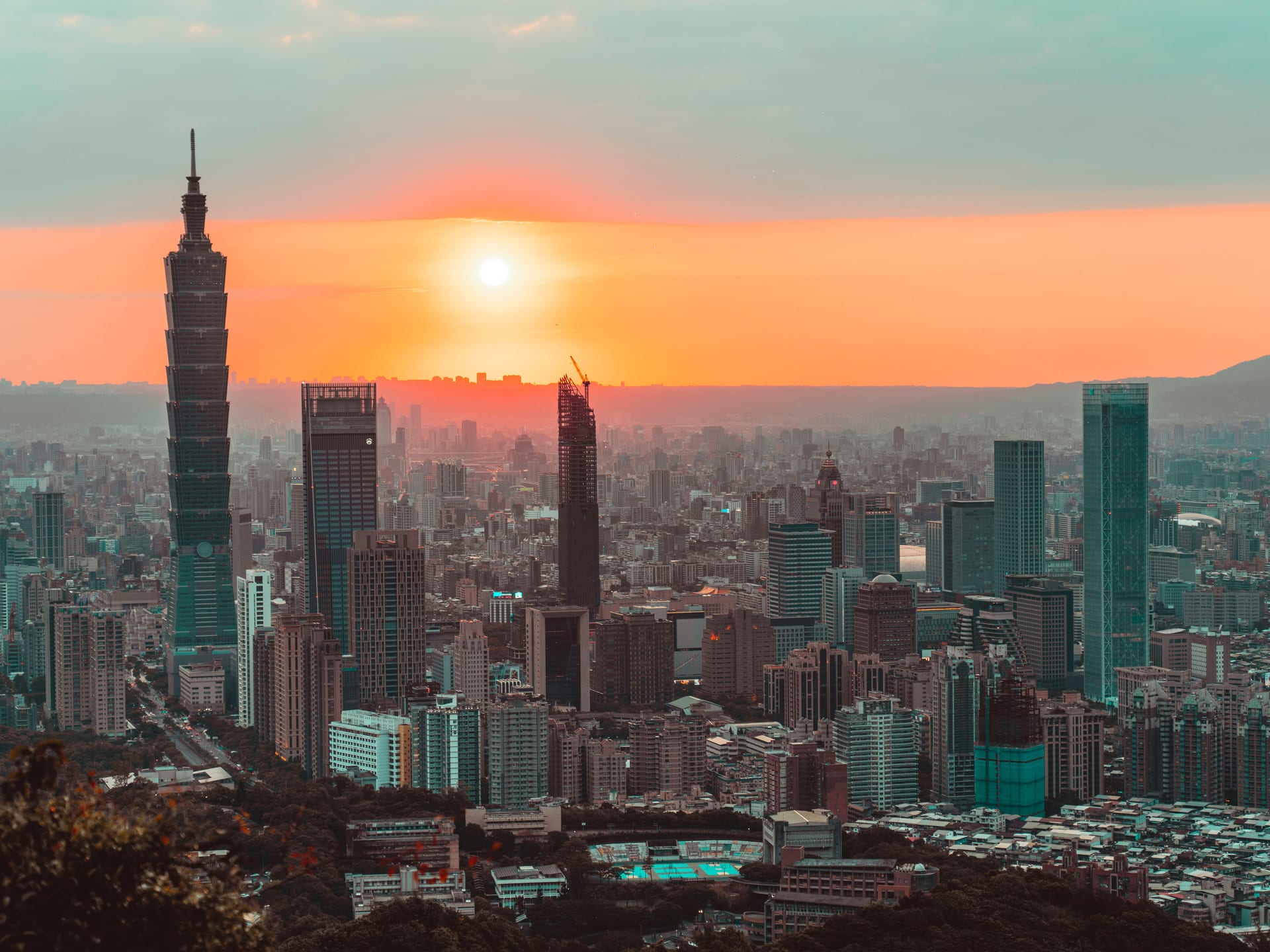
large cityThis is one of Asia's more livable big cities: dense, intensely walkable, with mixed-use streets where you can live, eat and shop within a few blocks. Cars feel optional. The trade-off is space, since apartments run small and family-sized homes are tight. The pace is busy without the relentless intensity of Tokyo or Hong Kong.
Public life & spaces
78/100Taipei is clean and orderly, a well-maintained city that's easy to be in. Its night markets, riverside parks and temple plazas give it a warm, walkable public life. Best of all, much of it is free or near-free — the night markets, temples and festivals barely cost a thing.
Safety
87/100Taipei is among the safest major cities anywhere, with very low violent crime, little street trouble and a relaxed feeling on the streets at night. Petty crime is rare and people generally trust their surroundings. The one genuine asterisk is geopolitical: cross-strait tension keeps political stability lower than the day-to-day calm suggests.
Healthcare
72/100Taiwan's national health system is a real strength, with broad hospital access, reliable emergency care and low out-of-pocket costs that take the financial fear out of getting sick. Quality is solid across the board. The frustrations are practical: doctors are stretched and appointment times short, and finding English-speaking care outside major hospitals can be hit or miss.
Family life
62/100For families the fundamentals are reassuring, with safe streets, strong schools and child-friendly public spaces. Childcare and parental support are workable rather than generous. The bigger drag is the long-hours work culture, which leaves less family time than in Western Europe, and apartments large enough for kids are pricey and hard to find.
Career
75/100Taipei offers a strong local market, especially in specialised industries, and unemployment is low. English-only access is the main filter for newcomers, while local pay sits just above the corpus midpoint, making the city more attractive to people who can enter its local-language economy than to those relying on English alone.
Culture & food
82/100Food is the headline act, from night markets to an outstanding spread of restaurants and some of Asia's best vegetarian and vegan options thanks to a deep Buddhist tradition. Cafes, museums and a steady music and art scene round it out. Nightlife is fun if not legendary, and the international crowd stays fairly small.
Ease of integration
63/100Locals are warm and welcoming, and Taipei has a reputation for friendliness toward newcomers that smooths the early months. The real barrier is language, since daily life runs in Mandarin and English only goes so far once you step away from work and the expat circuit. Putting in the effort to learn opens doors that stay shut otherwise.
Connectivity
69/100The MRT is the city's pride, clean, punctual and easy to use, and it makes a car genuinely unnecessary. Intercity rail is good, utilities are dependable, and admin is gradually going digital. Internet is reliable if not bleeding-edge, and the airport connects well across Asia, with longer hauls usually routed through a hub.
Social values
progressiveTaipei is the most socially open city in East Asia by a clear margin, the first place in the region to legalize same-sex marriage and a comfortable place to be openly LGBTQ. Civic life is orderly and trusting, attitudes lean liberal and secular. It is less internationally diverse than a global financial hub, but markedly progressive for the region.
Relocation ease
49/100Settling in is moderate going: visas and work permits are manageable, banking and housing take some patience, and bureaucracy is slowly modernizing. The main hurdle is language, as Mandarin dominates official life and forms, which raises the friction of every errand. The cultural adjustment is gentle by Asian standards, but the distance and time-zone gap from the West is large.