 China
Shenzhen makes sense if
- You want the easier housing and budget equation in this comparison.
- Access to stronger healthcare matters most to you.
- You want the broader career options in this comparison.
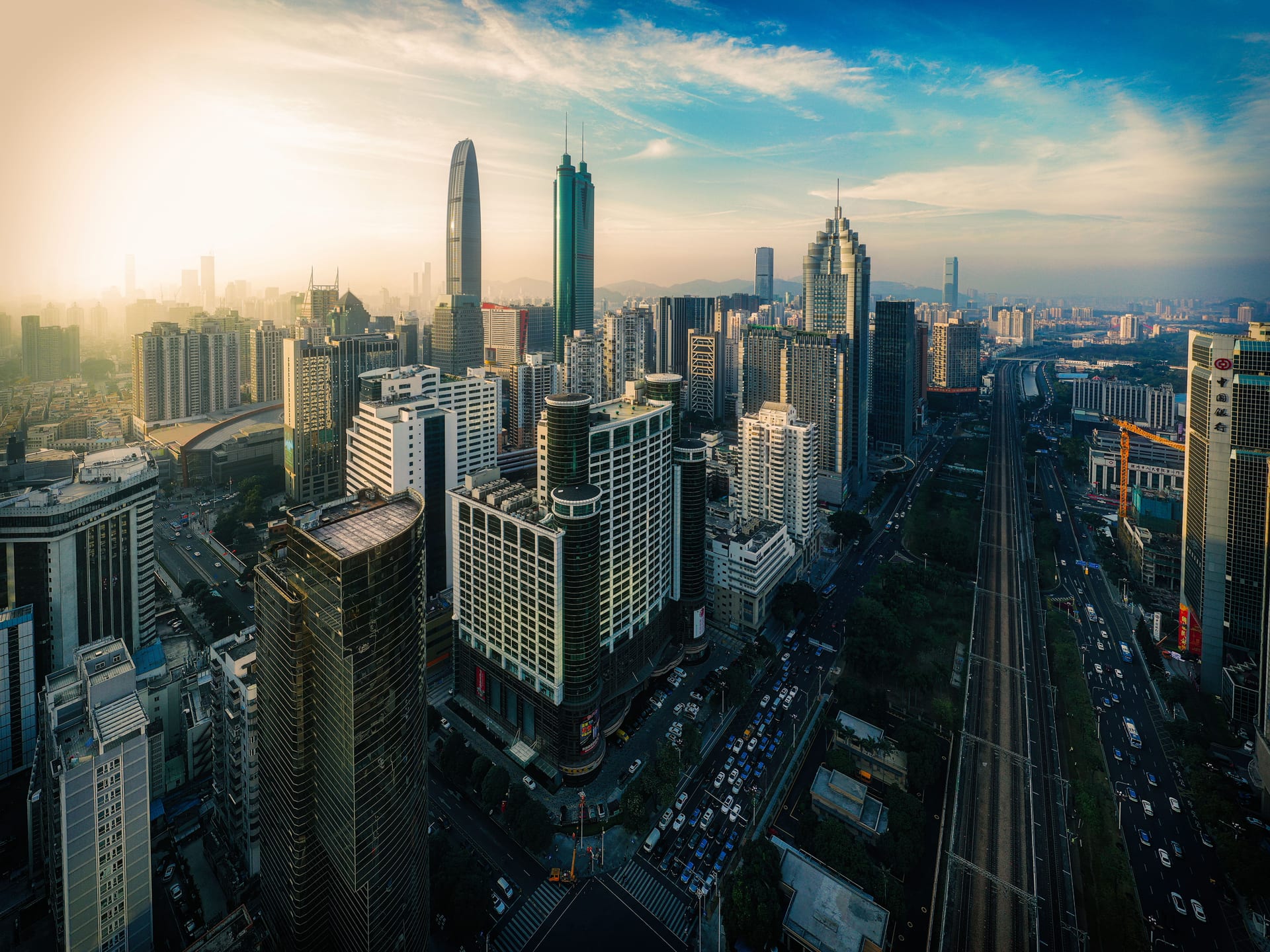
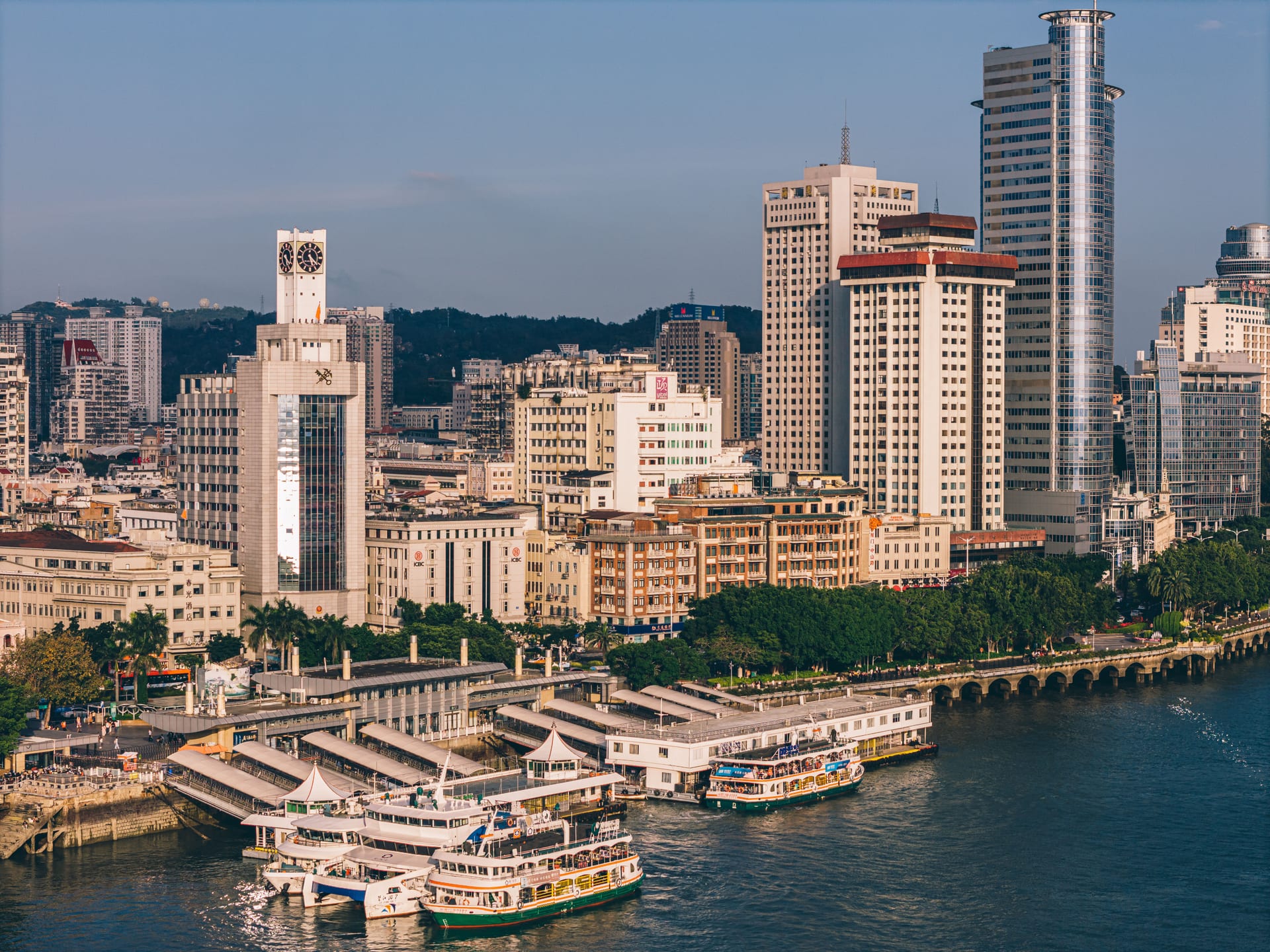
Shenzhen is the clear career and healthcare choice, powered by hardware, technology, and startups. Xiamen is cheaper and more relaxed, with stronger Minnan food, seafront space, and lived-in cultural texture.
The grey shape is all 283 cities; each row says whether lower or higher is better. Ratings out of 10 are our reviewed estimates; the rest is published data. How we measure
Set how much each area counts. The ranking updates as you go. Climate and values are left out because there is no better or worse there, only your taste.
Leads on nature & outdoors, work & family and moving & settling in; stands out for startup & tech scene and job market.
Leads on city life; stands out for local culture and outdoor childhood.
Scores out of 100, averaged from the areas you weighted. For a ranking built around your own situation, take the quiz.
Rent on a new lease, everyday prices and tax.
The year month by month. Whether it suits you is yours to judge.
Solid line: average daytime high. Dashed: night-time low. Point at the chart for any month; point at a city name to shade its range.
How easily you get to water, mountains and green space.
Getting around on foot, food, culture and the feel of the streets.
Crime, how safe people feel, and the care you would get.
Jobs, working culture, schools and raising kids.
Visas, language, paperwork and staying connected.
Where each city sits. There is no right end of these scales.
Its walkable, mixed-use neighbourhoods make daily life workable without a car, but the pace is intense and housing space is notably tight. The scale is convenient in practice, even when it feels relentless.
Its urban form is walkable and mixed-use, with relatively low car dependence. Housing is generally tight.
Violent crime is rare, streets feel secure after dark, and pickpocketing is uncommon, putting it among the most physically safe big cities anywhere. The weaker note is at the national level, where political stability and the predictability of rules sit well below what residents of Singapore or Tokyo take for granted.
Extremely safe in daily terms. Violent crime is rare, petty theft is low, and walking around after dark feels secure for most people.
Shenzhen has a powerful market in technology, hardware, and manufacturing, supported by deep professional networks and a serious startup scene. Hospitals are modern and emergency care is dependable, with overall quality solid if a notch below the regional gold standard in Singapore.
Xiamen offers a workable local market, but its depth is limited and professional networks are modest. Care is functional and broadly accessible, with reliable hospitals and emergency services in line with other large mainland cities.
Eating well is easy, with a strong restaurant scene drawing on Cantonese cooking and migrants from across China. Shenzhen is new, planned and notably clean, a tech megacity built fresh.
Food is the highlight, with a strong local Minnan cuisine, abundant seafood and a lively cafe and restaurant culture. Xiamen is a pleasant, fairly clean coastal city with a well-kept seafront.
Choose Shenzhen for technology work, modern hospitals, and professional scale. Xiamen fits remote earners who prefer lower costs, coastal public space, and local food, while Mandarin remains essential in either city.
These numbers treat everyone the same. The quiz weighs them by your budget, climate taste, family and work, and ranks all 283 cities for you.