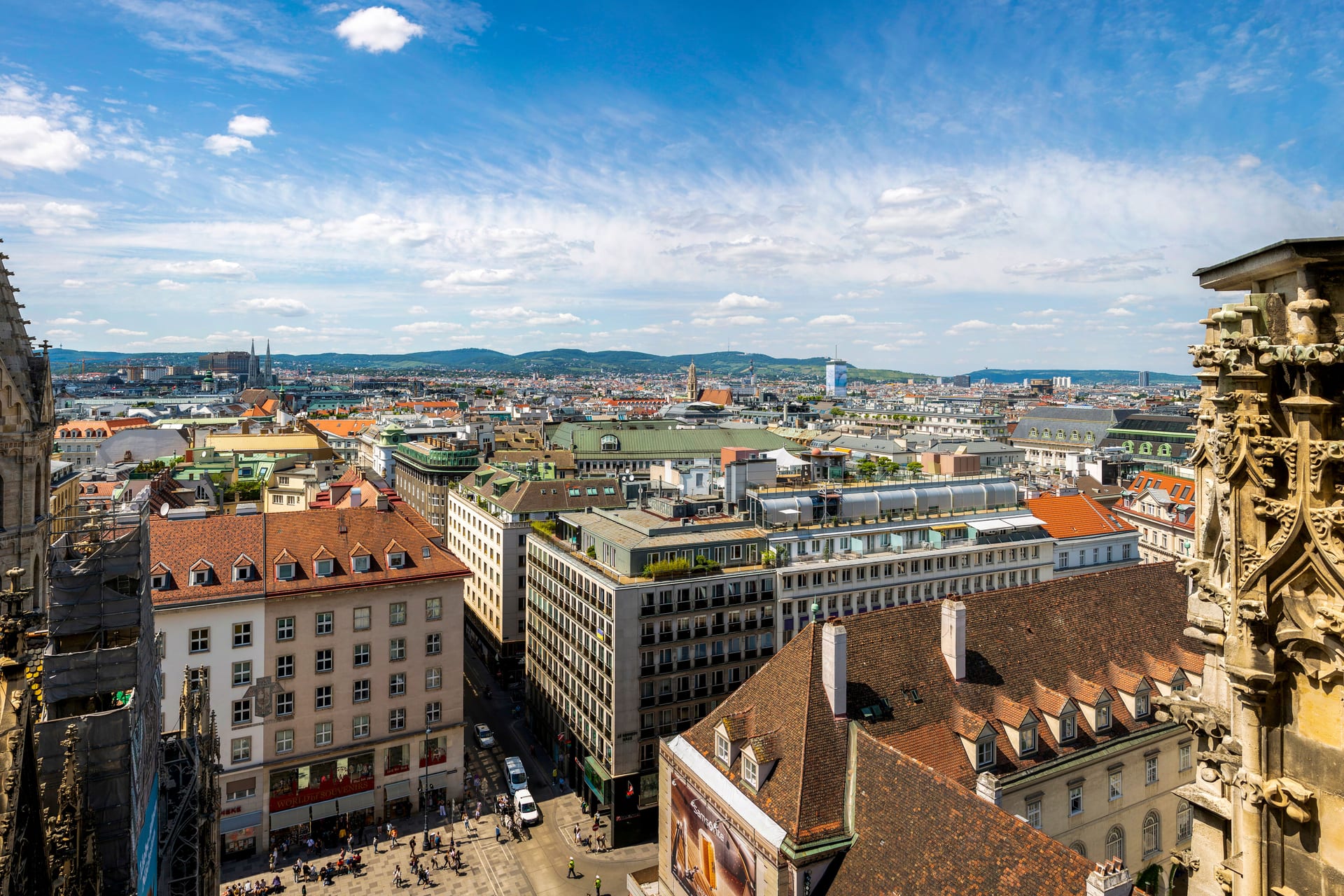
 Austria
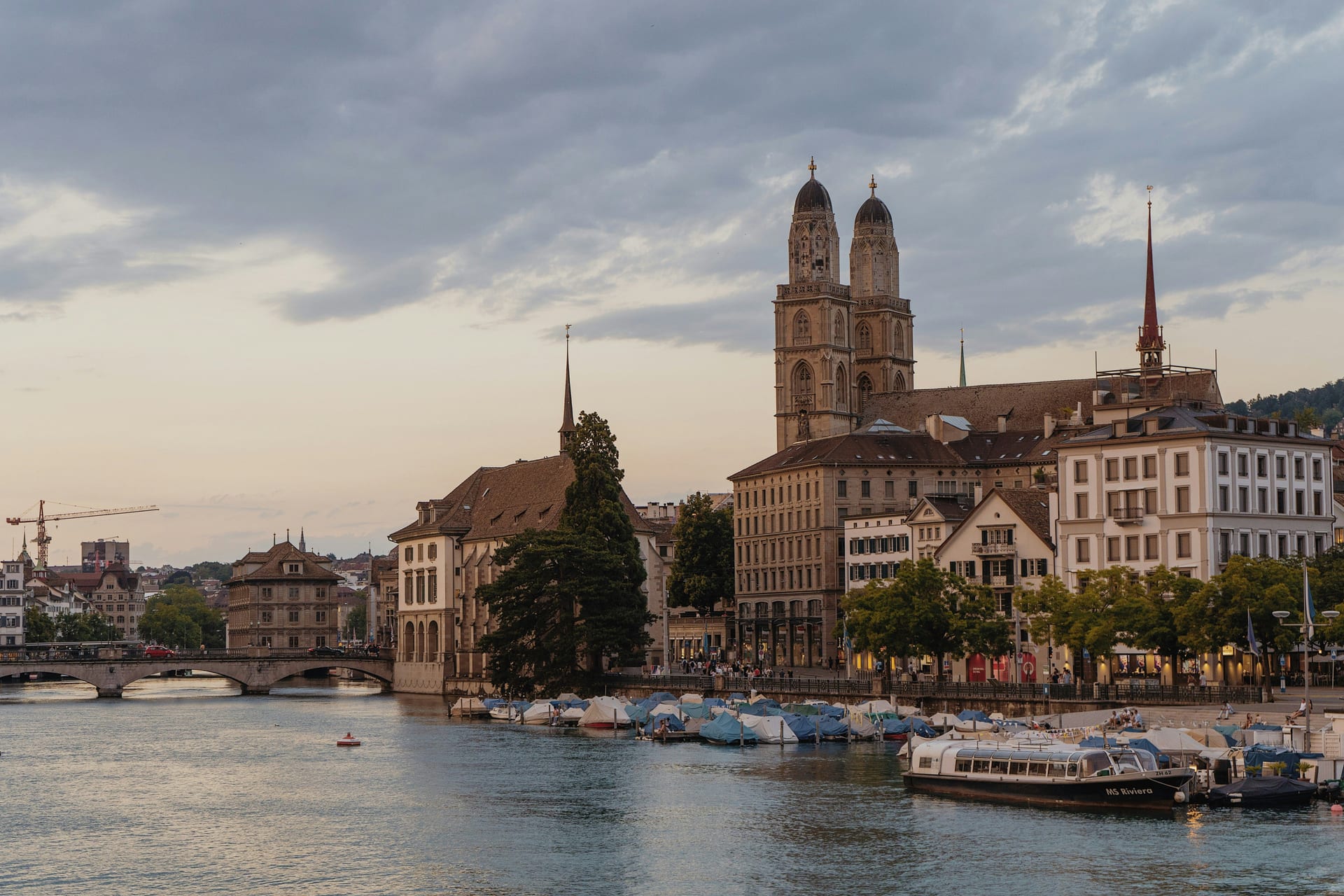
 Switzerland
Vienna makes sense if
- You want the easier housing and budget equation in this comparison.
- Access to stronger healthcare matters most to you.
- You want the deeper culture and food scene.
Vienna pairs lower rents and living costs with coffeehouses, the State Opera and public space from the Prater to Danube Island. Zürich offers stronger career and safety results, with banking, insurance and ETH-linked research alongside lake bathing and river walks. Higher typical pay in Zürich brings its rent burden close to Vienna's despite the more expensive lease.
The grey shape is all 283 cities; each row says whether lower or higher is better. Ratings out of 10 are our reviewed estimates; the rest is published data. How we measure
Set how much each area counts. The ranking updates as you go. Climate and values are left out because there is no better or worse there, only your taste.
Leads on money and city life; stands out for parental leave and childcare.
Leads on nature & outdoors; stands out for broadband speed and mountains.
Scores out of 100, averaged from the areas you weighted. For a ranking built around your own situation, take the quiz.
Rent on a new lease, everyday prices and tax.
The year month by month. Whether it suits you is yours to judge.
Solid line: average daytime high. Dashed: night-time low. Point at the chart for any month; point at a city name to shade its range.
How easily you get to water, mountains and green space.
Getting around on foot, food, culture and the feel of the streets.
Crime, how safe people feel, and the care you would get.
Jobs, working culture, schools and raising kids.
Visas, language, paperwork and staying connected.
Where each city sits. There is no right end of these scales.
Dense, walkable, and built for living without a car. Neighbourhoods are well-defined and mixed-use, with shops, cafes, and transit woven into daily routines.
Daily life is easy on foot and car dependence is low. The trade-off is space: apartments tend to be small, even as the outer districts remain polished.
Violent crime is rare, the streets feel secure after dark, and traffic is managed with care. Petty theft exists in tourist-heavy spots but stays modest.
Few cities feel as secure. Violent crime is rare, the streets are calm after dark, traffic is well-managed, and the political backdrop is about as stable as it gets.
Across several industries, Vienna offers a solid and established job market. A strong public system with excellent hospitals and good access to doctors.
Zurich combines a strong local market with good industry fit and unusually dense professional and startup networks. The medical system is excellent at the point of care: top-tier hospitals, reliable emergency response, and plenty of doctors who handle consultations in English.
The coffeehouse tradition is unmatched, the museum and classical-music offering rivals any European capital, and the dining range keeps widening, vegetarian options included. Vienna is pristine and orderly, its public spaces beautifully maintained.
The cultural offering is solid and well-funded rather than overwhelming: good restaurants, decent cafés, a respectable museum and music scene, and a manageable nightlife. Zurich is immaculate, meticulously maintained down to the last kerb.
A cheaper lease in Vienna does not automatically leave more income to spare: typical Zürich pay brings the housing burdens close together. Bring an actual banking, technology or research offer into the comparison. Vienna's lower everyday prices, coffeehouses and opera carry more weight when the move is less dependent on Zürich's employers.
These numbers treat everyone the same. The quiz weighs them by your budget, climate taste, family and work, and ranks all 283 cities for you.