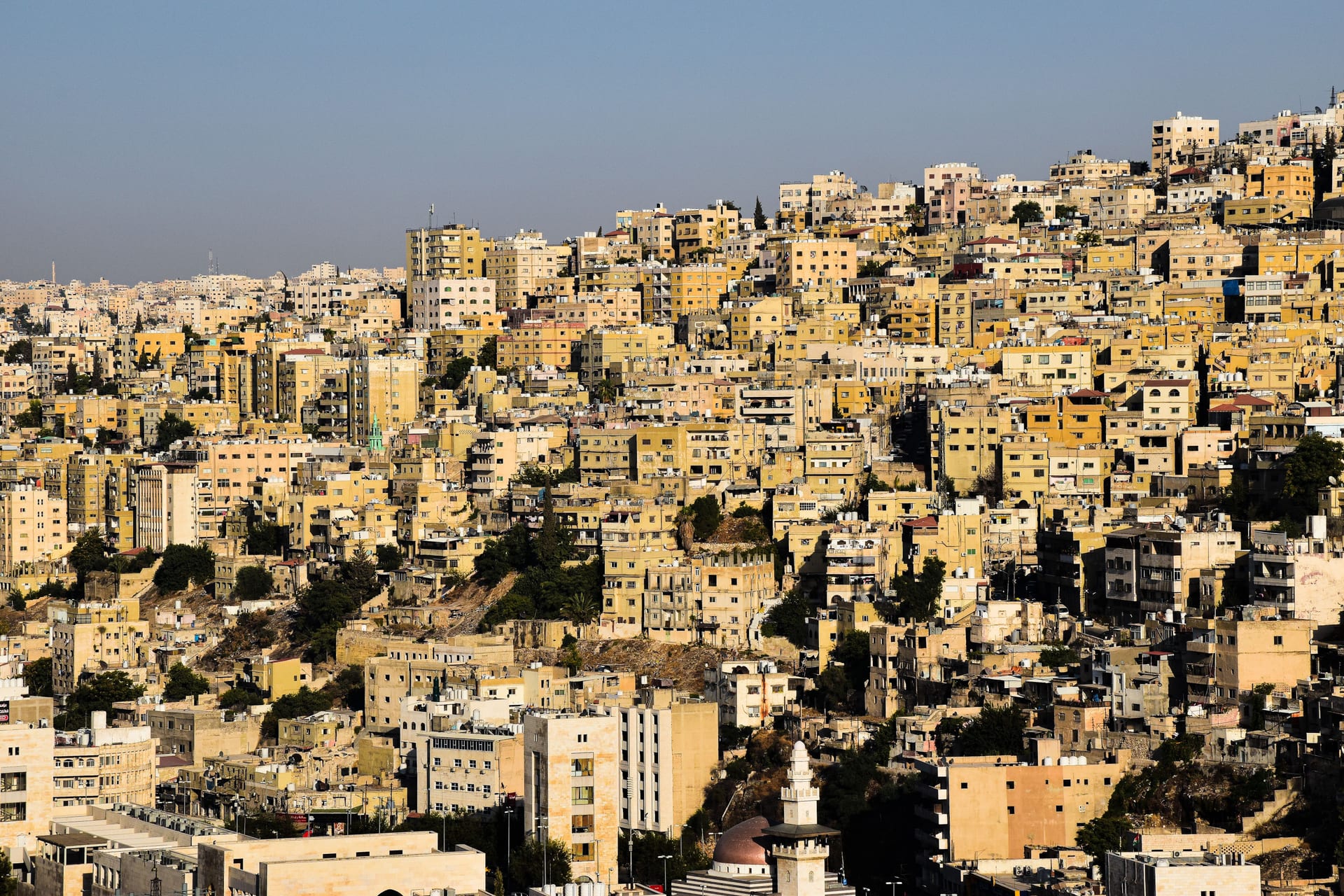
 Jordan
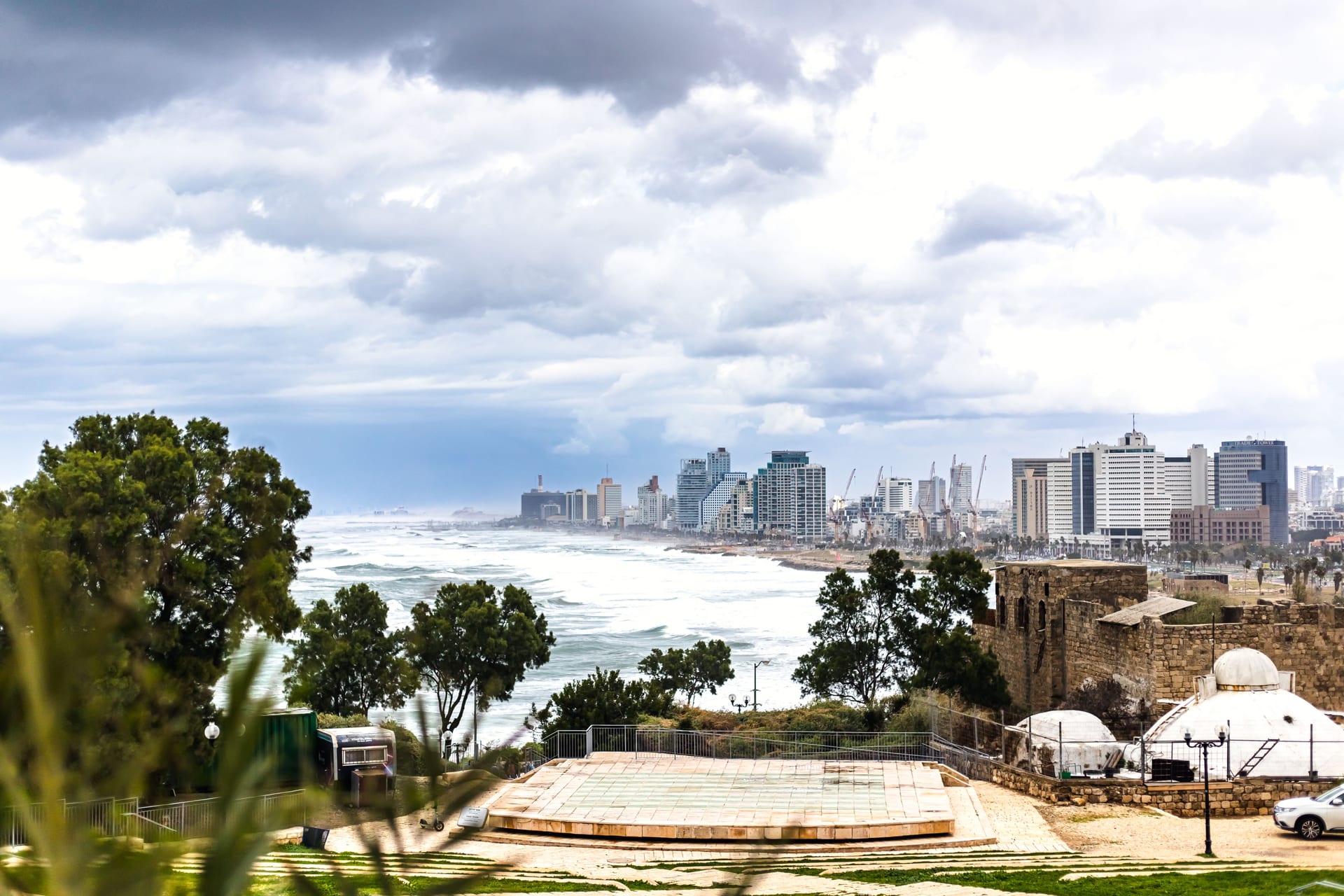
 Israel
Amman makes sense if
- You want the easier housing and budget equation in this comparison.
- A calmer day-to-day safety profile matters most to you.
Amman keeps a conservative, home-centred pace, with Levantine food and hospitality offsetting a thin local job market and car dependence. Tel Aviv runs faster and later, with beaches and a concentrated tech scene, though high housing costs and regional uncertainty shape the decision.
The grey shape is all 283 cities; each row says whether lower or higher is better. Ratings out of 10 are our reviewed estimates; the rest is published data. How we measure
Set how much each area counts. The ranking updates as you go. Climate and values are left out because there is no better or worse there, only your taste.
Leads on nature & outdoors, city life, work & family and moving & settling in; stands out for beach & sea and running & cycling routes.
Leads on money; stands out for cheaper eating out and easier house-hunting.
Scores out of 100, averaged from the areas you weighted. For a ranking built around your own situation, take the quiz.
Rent on a new lease, everyday prices and tax.
The year month by month. Whether it suits you is yours to judge.
Solid line: average daytime high. Dashed: night-time low. Point at the chart for any month; point at a city name to shade its range.
How easily you get to water, mountains and green space.
Getting around on foot, food, culture and the feel of the streets.
Crime, how safe people feel, and the care you would get.
Jobs, working culture, schools and raising kids.
Visas, language, paperwork and staying connected.
Where each city sits. There is no right end of these scales.
Cars still dominate daily movement, while mixed-use neighbourhoods are limited. Apartments offer a reasonable amount of space, and the overall tempo is moderate rather than frantic.
Compact, dense and easy to cross on foot, Tel Aviv rewards people who want to live without a car. The pace is quick and the streets stay busy, with a strong mix of homes, shops and offices layered together.
Amman feels safe in ordinary street life. Violent crime and petty theft are uncommon, and walking after dark is usually comfortable, but traffic is a genuine hazard.
Serious violence is rare, but Tel Aviv records about six times as many thefts per resident as Jerusalem, so bikes, bags and parked cars need care, and walking around at night feels comfortable in most areas. The serious caveat is political stability, which scores at the very bottom, and the wider security situation can shift quickly.
English-language roles and remote work offer some openings, but local pay is very low and industry breadth is thin. Amman is a recognised medical hub in the region, drawing patients from neighbouring countries, and private care is solid with plenty of English-speaking doctors.
Tel Aviv offers a deep market for technology and startup work, with strong professional networks and very low unemployment. The system is strong, with good hospitals, reliable emergency care and low out-of-pocket costs once a person is in it.
Food is where Amman shines, from legendary street eats to a growing café culture, and the city holds onto a genuine local character that Gulf cities have largely traded away. Amman is dusty and uneven, its upkeep wavering across the hills, and modern plazas are scarce beyond the downtown souks and the old Roman theatre.
The food scene is the city's pride, packed with excellent restaurants and some of the best vegetarian and vegan eating anywhere. Its strength is the built realm: the beach promenade, the Bauhaus boulevards, walkable squares that hum.
Tel Aviv suits people seeking a fast-moving professional and social scene, particularly in technology, who can manage the high rents. Amman is a more affordable, quieter base for residents who value a conservative atmosphere and can arrange work in advance.
These numbers treat everyone the same. The quiz weighs them by your budget, climate taste, family and work, and ranks all 283 cities for you.