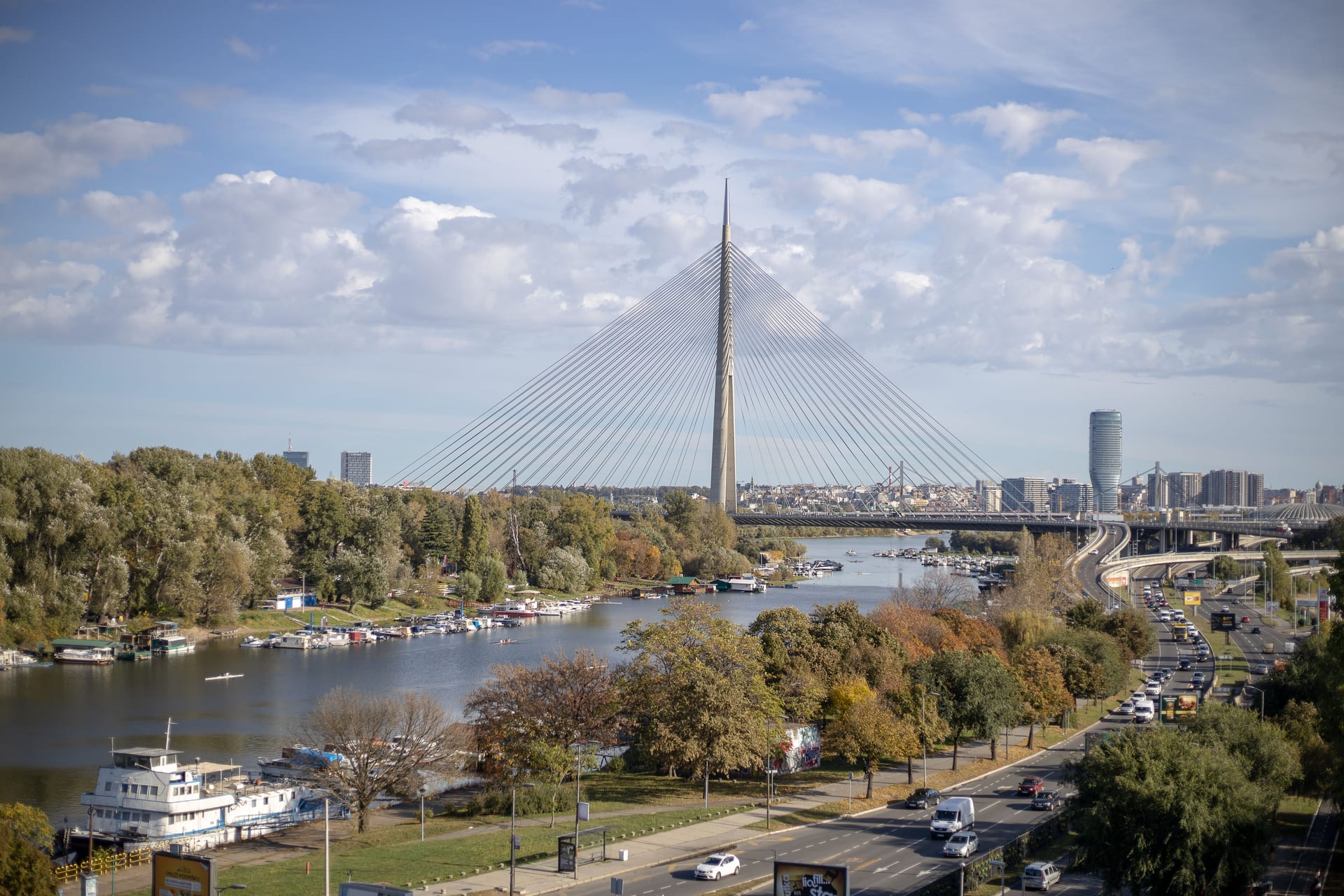
 Serbia
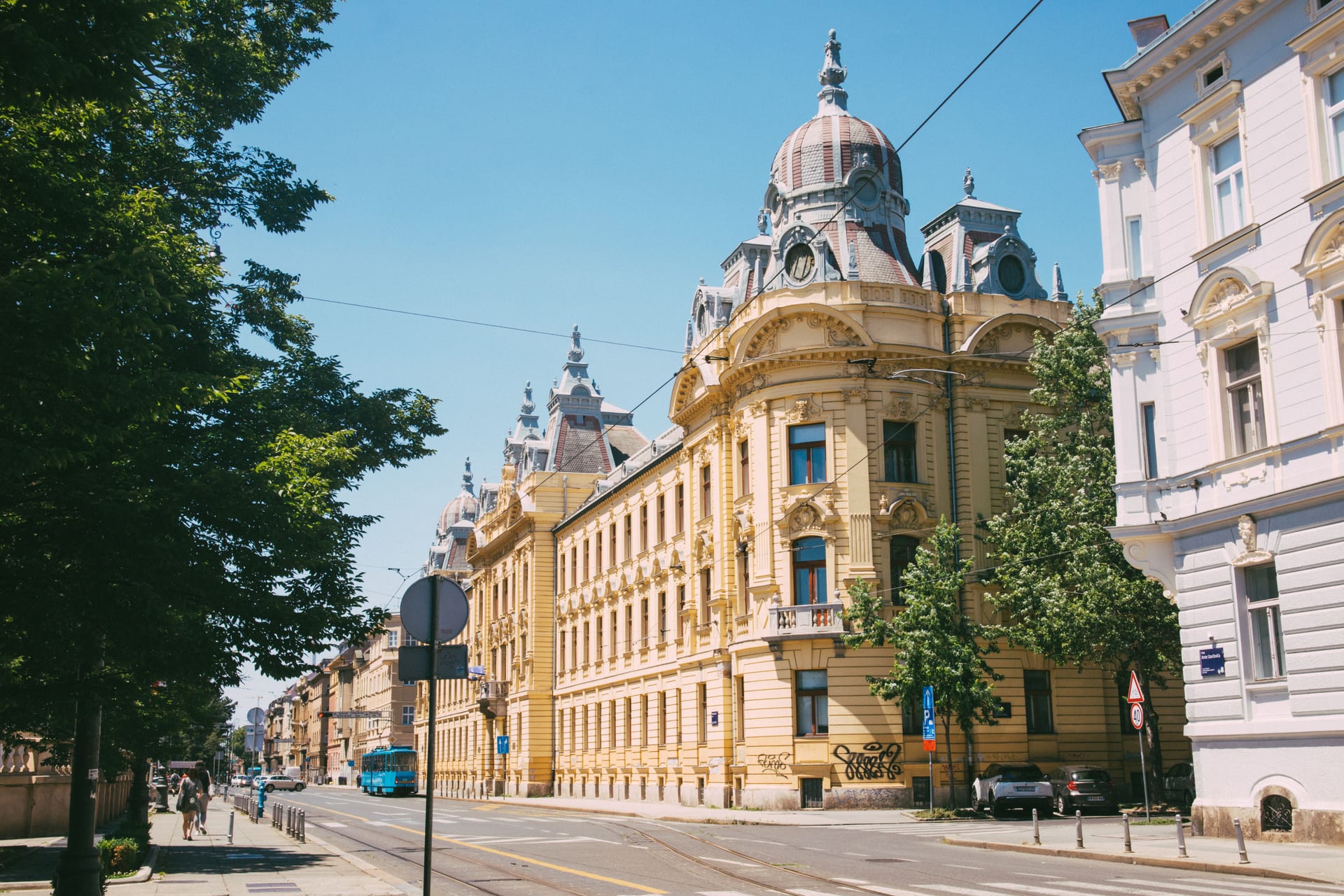
 Croatia
Belgrade makes sense if
- You want the easier housing and budget equation in this comparison.
- You want the deeper culture and food scene.
Belgrade offers late-night energy, lower costs and a more substantial local job market, but Serbia's non-EU status can add relocation work. Zagreb is a smaller, easy-paced capital with stronger safety and healthcare, though its own job market is narrow and winter is dim. Portable income helps make Zagreb's calm routine work.
The grey shape is all 283 cities; each row says whether lower or higher is better. Ratings out of 10 are our reviewed estimates; the rest is published data. How we measure
Set how much each area counts. The ranking updates as you go. Climate and values are left out because there is no better or worse there, only your taste.
Leads on nature & outdoors, city life, safety & health and work & family; stands out for hiking and political stability.
Narrowly best on money: 73 vs Zagreb's 70; stands out for nightlife.
Scores out of 100, averaged from the areas you weighted. For a ranking built around your own situation, take the quiz.
Rent on a new lease, everyday prices and tax.
The year month by month. Whether it suits you is yours to judge.
Solid line: average daytime high. Dashed: night-time low. Point at the chart for any month; point at a city name to shade its range.
How easily you get to water, mountains and green space.
Getting around on foot, food, culture and the feel of the streets.
Crime, how safe people feel, and the care you would get.
Jobs, working culture, schools and raising kids.
Visas, language, paperwork and staying connected.
Where each city sits. There is no right end of these scales.
Walkable at its core, with a dense, mixed old centre where shops, cafes, and flats stack together and a car stays optional. The pace runs livelier than Budapest or Lisbon without tipping into frenzy.
The centre is highly walkable and most errands work without a car, which keeps daily life calm. The flip side is tempo: the city moves slowly and quietly, so people who want a fast, big-city churn will find it sleepy.
Street-level safety is a genuine strength. Violent crime is low, walking home at night feels fine in most areas, and residents generally report feeling secure.
Safety is a clear strength. Violent crime is rare, petty theft is low for a European capital, and walking home late generally feels fine across the city.
Belgrade offers a workable base for remote earners, but local hiring is the constraint. Healthcare is functional but below the regional standard.
Zagreb's local job market is thin, with modest industry breadth and limited professional-network depth. Healthcare is solid but middling rather than exceptional.
The nightlife is famous across the region, with riverboat clubs and bars that run later and looser than almost anywhere in Central Europe, and the cafe culture is just as serious by day. Belgrade is gritty and worn, its facades neglected and litter common.
Cafe life is the heartbeat here, with terrace-sitting treated as a civic ritual, and the restaurant and museum scene holds its own against Budapest and Prague. Zagreb's Austro-Hungarian centre is orderly and well-kept, tidy in a way that flatters its squares, parks and the buzzing Dolac market.
Zagreb fits someone who wants a manageable capital and values safety and healthcare, especially with work already arranged. Belgrade has more nightlife and career range, and lower rents, but requires planning around the non-EU move. Consider the work route and the pace you want before choosing.
These numbers treat everyone the same. The quiz weighs them by your budget, climate taste, family and work, and ranks all 283 cities for you.