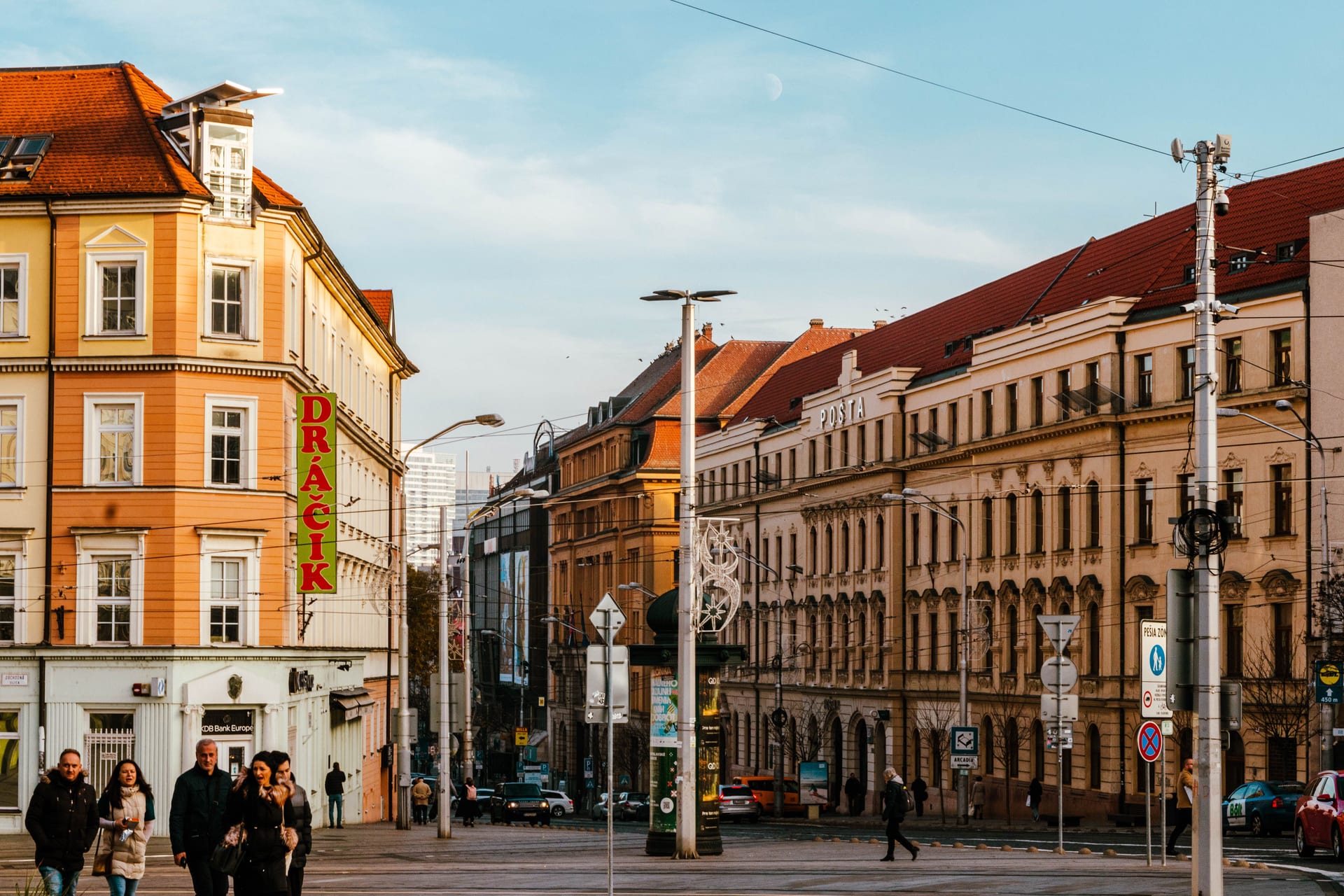
 Slovakia
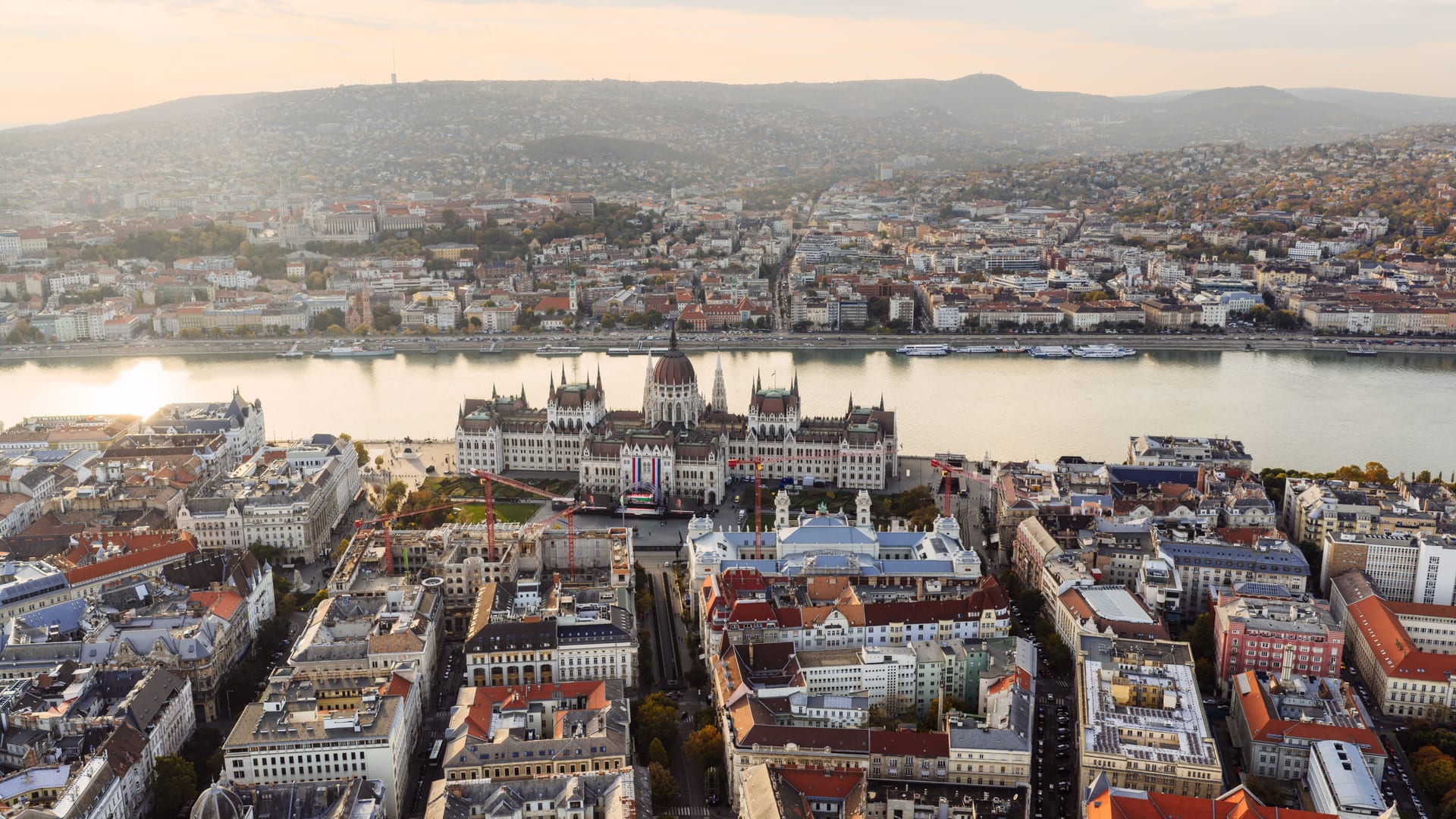
 Hungary
Bratislava makes sense if
- A calmer day-to-day safety profile matters most to you.
- You value stronger public spaces and everyday city life.
Bratislava is a small, walkable capital with a slower pace and quick access to Vienna. Budapest offers a more atmospheric, active Central European city life, though cold, dim winters and modest local pay make outside income useful.
The grey shape is all 283 cities; each row says whether lower or higher is better. Ratings out of 10 are our reviewed estimates; the rest is published data. How we measure
Set how much each area counts. The ranking updates as you go. Climate and values are left out because there is no better or worse there, only your taste.
Leads on city life; stands out for music & art scene and local culture.
Leads on safety & health.
Scores out of 100, averaged from the areas you weighted. For a ranking built around your own situation, take the quiz.
Rent on a new lease, everyday prices and tax.
The year month by month. Whether it suits you is yours to judge.
Solid line: average daytime high. Dashed: night-time low. Point at the chart for any month; point at a city name to shade its range.
How easily you get to water, mountains and green space.
Getting around on foot, food, culture and the feel of the streets.
Crime, how safe people feel, and the care you would get.
Jobs, working culture, schools and raising kids.
Visas, language, paperwork and staying connected.
Where each city sits. There is no right end of these scales.
Walkability is good, while lower density, middling mixed-use streets, and weaker suburbs make the edges feel less cohesive. A slow, unhurried tempo suits residents who prefer a manageable capital to constant metropolitan pressure.
Budapest is built to be lived in without a car. The old core is dense and walkable, with mixed-use streets where shops, cafes, and flats stack together, and a tram-and-metro network that reaches most corners.
Among the safer places to land in the region, with very low violent crime and streets that feel calm after dark. Perceived safety holds up well, broadly in line with Prague and Budapest if a step behind Vienna.
Budapest is a notably safe capital. Violent crime is rare, the homicide rate is among the lowest in this peer group, and walking the central districts after dark feels comfortable to most residents.
Bratislava's labour market is middling but usable, with English-language roles available. Care is solid and broadly functional, sitting around the regional middle, comparable to Budapest but behind the depth and polish of Vienna or Prague.
The local market is modest, with opportunities in shared services and technology. Healthcare here is solid but not a standout.
A pleasant but understated scene that does not pretend to rival Vienna or Prague for breadth. Bratislava's compact old town is clean and walkable, its squares and the Danube embankment pleasant, though socialist-era panel blocks fray the edges.
The nightlife built around its ruin bars is genuinely distinctive, the cafe tradition runs deep, and there is a steady current of music, museums, and a strong sense of local culture. Budapest is grand but worn, its faded facades and uneven upkeep part of the charm.
Budapest is the richer fit if you want a larger city with activity through the seasons. Bratislava works for a quieter base and regional connections. Consider whether you have a realistic source of income before letting the lower daily costs decide.
These numbers treat everyone the same. The quiz weighs them by your budget, climate taste, family and work, and ranks all 283 cities for you.