Affordability
71/100Bratislava's open-market one-bedroom rent on a new lease is about €710 per month. That is roughly 43% of one typical employee's mean net pay, a rent burden labelled tight alone.
Climate
temperateBratislava has cold winters, averaging 2.2°C in January, and comfortable summers rather than relentless heat. The city gets about 204 bright days a year, yet winter brightness remains limited, so the darker season can feel longer than the calendar suggests. The air is fairly clean and severe weather risk is low.
Nature access
forestedThe Danube runs straight through, and the wooded Small Carpathian hills start at the city's edge, so forest trails and weekend hikes are close at hand. Rivers and decent cycling routes add to the appeal. There is no coast and no real mountain range nearby, and overall green space per resident trails leafier Vienna.
Urban form
mid-sizedBratislava's 310,204-person metro is compact and easy to navigate without relying heavily on a car. Walkability is good, while lower density, middling mixed-use streets, and weaker suburbs make the edges feel less cohesive. A slow, unhurried tempo suits residents who prefer a manageable capital to constant metropolitan pressure.
Public life & spaces
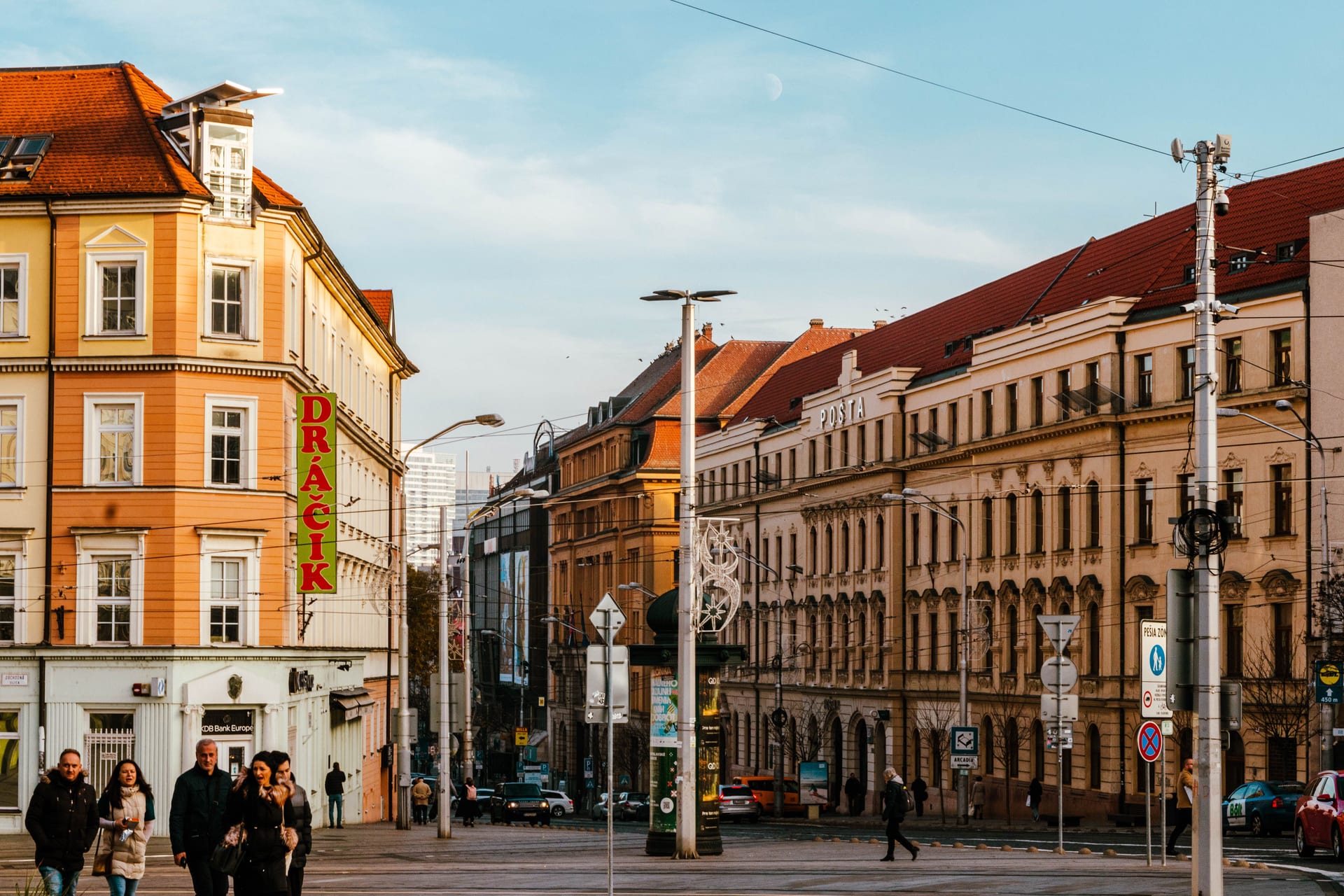
67/100Bratislava's compact old town is clean and walkable, its squares and the Danube embankment pleasant, though socialist-era panel blocks fray the edges. Public space is handsome rather than grand, the scale modest. Daily life stays cheap by EU standards, with free riverside festivals and street life that cost little.
Safety
80/100Among the safer places to land in the region, with very low violent crime and streets that feel calm after dark. Perceived safety holds up well, broadly in line with Prague and Budapest if a step behind Vienna. Pickpocketing exists around tourist spots but stays a minor concern.
Healthcare
62/100Care is solid and broadly functional, sitting around the regional middle, comparable to Budapest but behind the depth and polish of Vienna or Prague. Public hospitals cover the basics, and out-of-pocket exposure stays manageable. Finding an English-speaking doctor is doable, though it takes some searching outside private clinics.
Family life
62/100A safe, relatively relaxed environment for children, with a decent work-life balance and supportive parental leave norms. Schooling and childcare are weaker spots, lagging Prague and Vienna on quality and availability, and international school options are thin. Families wanting space often look to the greener edges of town.
Career
58/100Bratislava's labour market is middling but usable, with English-language roles available. Unemployment is moderately high at 5.4%, while local networks and technology opportunities are modest and remote work is less accommodating than in many peer cities. Local pay is modest too, keeping income a central constraint.
Culture & food
61/100A pleasant but understated scene that does not pretend to rival Vienna or Prague for breadth. The cafe culture is a real strength, and the old town carries a relaxed charm, while nightlife, museums, and the dining range stay on the smaller side. Vegan and international options exist but remain limited.
Ease of integration
48/100Slovak is the daily language and the barrier is real for newcomers, even though English goes a long way among younger people and German and Hungarian are widely understood given the borders nearby. The international community is on the smaller side and locals can read as reserved at first, so building a circle takes patience and effort.
Connectivity
56/100Public transport with trams, trolleybuses, and buses covers the compact city well, and utilities are dependable. Home internet does the job but trails the speeds on offer in Vienna and Budapest. The airport is small, so many residents lean on Vienna's hub an hour away for flights, and digital government services lag, leaving paper-heavy bureaucracy that can test patience.
Social values
mixedSocially conservative by Central European standards, more traditional in outlook than Prague or Vienna and broadly in step with Budapest. Public life leans less secular, and attitudes on LGBTQ acceptance and social liberalism sit toward the lower end of the region. Newcomers from more progressive places should set expectations accordingly.
Relocation ease
58/100Settling in is moderate work. EU residence rules are manageable, but the language barrier and a fondness for in-person, paper-based bureaucracy can slow things down, broadly on par with Prague. Housing search and banking admin are workable. Cultural adjustment is gentle for anyone already familiar with Central Europe.