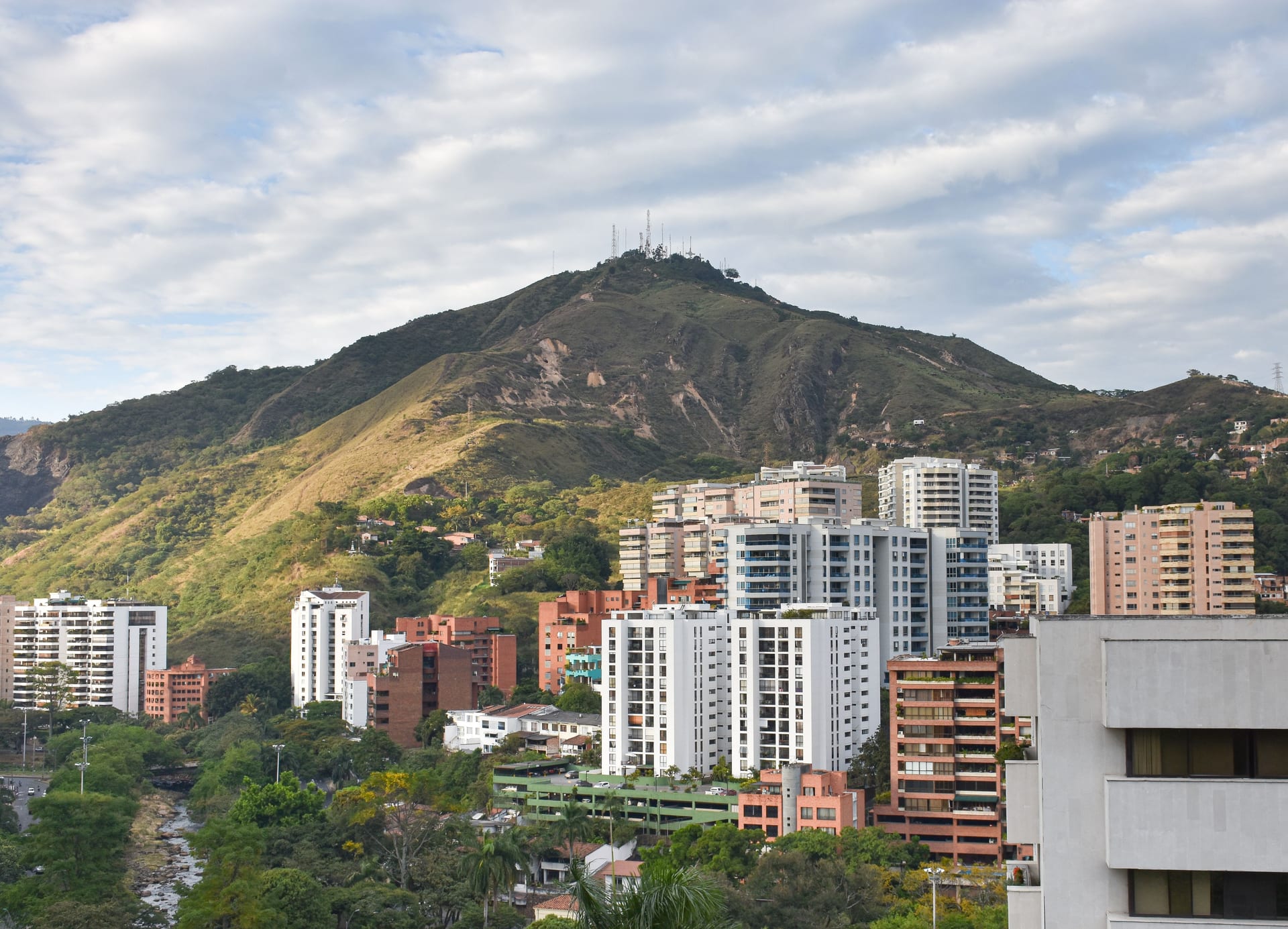
 Colombia
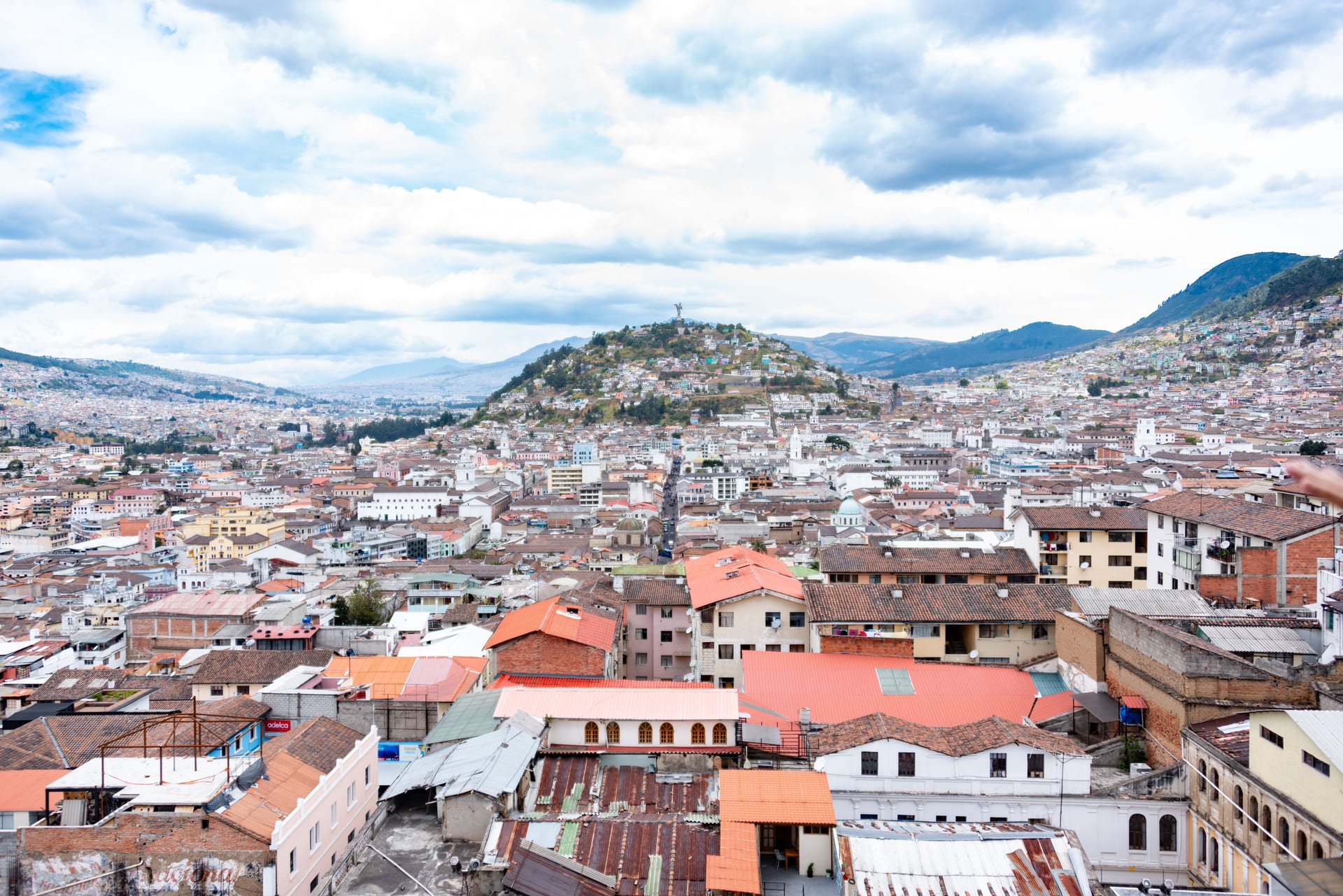
 Ecuador
Cali makes sense if
- Access to stronger healthcare matters most to you.
- You want the deeper culture and food scene.
Cali's public life runs through salsa venues, plazas and riverfront spaces. Quito's UNESCO-listed old town layers colonial churches and squares across a high-altitude setting, though street safety and uneven upkeep remain practical concerns.
The grey shape is all 283 cities; each row says whether lower or higher is better. Ratings out of 10 are our reviewed estimates; the rest is published data. How we measure
Set how much each area counts. The ranking updates as you go. Climate and values are left out because there is no better or worse there, only your taste.
Leads on nature & outdoors, city life and safety & health; stands out for fewer muggy days and milder summers.
Tied best on money with Quito, both 73; stands out for nightlife and cycling infrastructure.
Scores out of 100, averaged from the areas you weighted. For a ranking built around your own situation, take the quiz.
Rent on a new lease, everyday prices and tax.
The year month by month. Whether it suits you is yours to judge.
Solid line: average daytime high. Dashed: night-time low. Point at the chart for any month; point at a city name to shade its range.
How easily you get to water, mountains and green space.
Getting around on foot, food, culture and the feel of the streets.
Crime, how safe people feel, and the care you would get.
Jobs, working culture, schools and raising kids.
Visas, language, paperwork and staying connected.
Where each city sits. There is no right end of these scales.
As Colombia's third city, Cali is smaller and lower-slung than Bogotá or Medellín, with a more spread-out, lower-density feel. Walkability is middling and getting around often means a car or taxi.
Quito stretches out as a long, low-rise city draped across the valleys, so density is modest and getting around often means leaning on a car. Neighbourhoods and mixed-use streets are workable but walkability is uneven.
Homicide and violent crime run notably higher than in Medellín or Bogotá, perceived safety is low, and walking around at night feels genuinely risky in much of the city. Residents adapt with local know-how about which areas and hours to avoid.
Serious street awareness is still necessary in Quito. Traffic is another genuine hazard, and the political backdrop adds uncertainty to daily life.
Cali has a thin local job market, limited industry breadth, and few English-language roles. Healthcare is middling.
Local employment is the hard part. Care is serviceable rather than excellent.
Music is Cali's beating heart. Cali is hot and grimy in its central districts, with the uneven upkeep typical of the region.
Quito carries one of South America's best-preserved colonial old towns and a genuine local culture rooted in Andean and Ecuadorian traditions. Quito's UNESCO old town is magnificent, plaza after plaza of colonial churches and squares, though the dense fabric around them shows uneven upkeep and altitude grit.
Quito suits someone who wants historic plazas and a grand colonial centre, with care needed late at night. Cali offers more of a live-music identity, but its safety profile calls for greater caution in daily movement.
These numbers treat everyone the same. The quiz weighs them by your budget, climate taste, family and work, and ranks all 283 cities for you.