Affordability
73/100Cali's open-market one-bedroom rent on a new lease is about $377 per month. That is roughly 79% of one typical employee's mean net pay, a rent burden labelled solo unlikely.
Climate
tropicalCali is warm and almost seasonless, with little temperature change across the year. The real climate trade-off is the sky: only 30 bright days sit against rainy-grey conditions for much of the year, while humidity brings muggy weather for nearly the whole year. Air quality is middling rather than especially clean.
Nature access
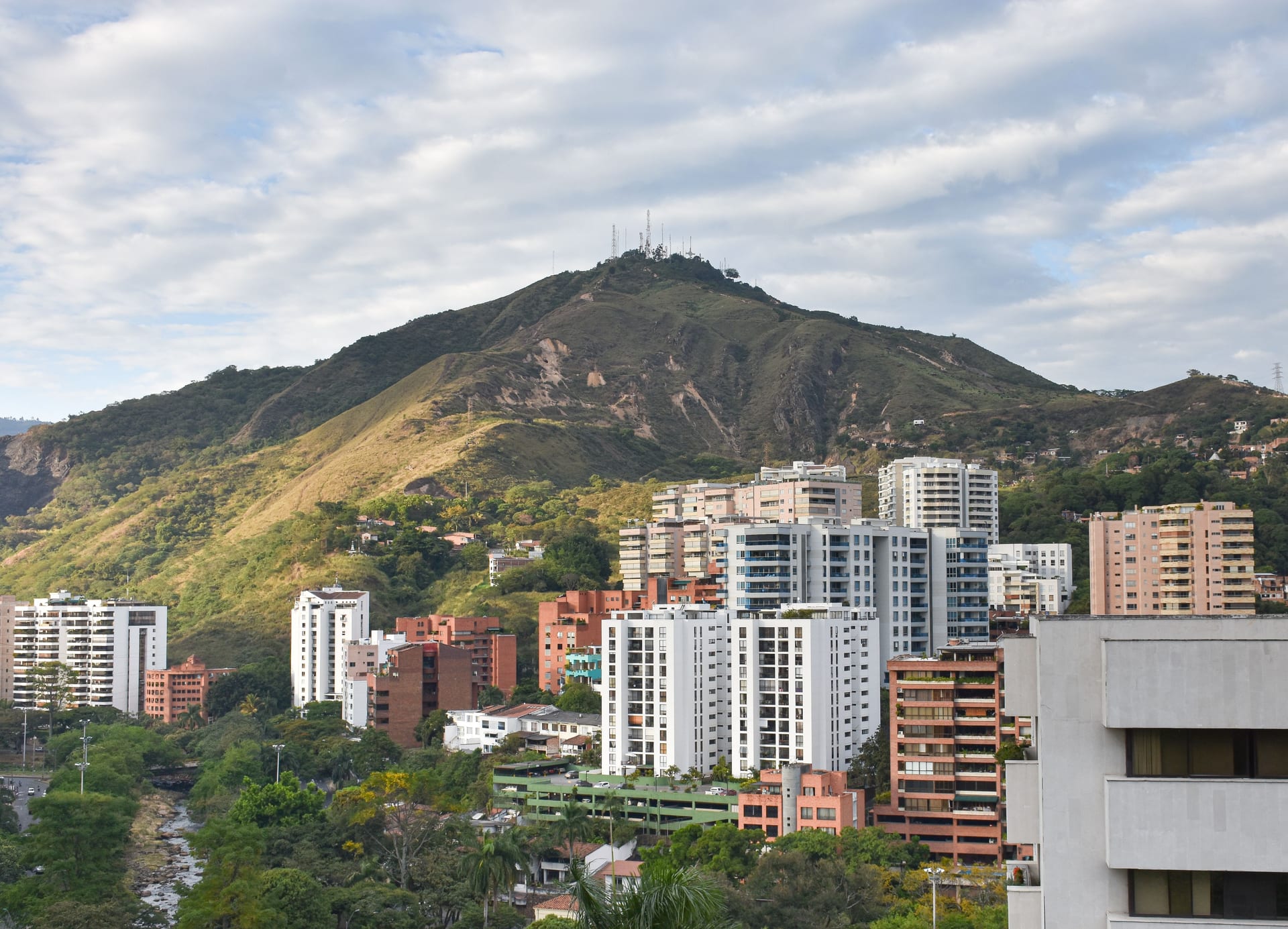
alpineThe Andes rise close to the city, so foothills, forest trails and weekend escapes into the mountains are genuinely within reach. Inside Cali itself green space is thin on the ground, parks are limited, and the Pacific coast, while reachable, is a real journey rather than a day at the beach.
Urban form
large cityAs Colombia's third city, Cali is smaller and lower-slung than Bogotá or Medellín, with a more spread-out, lower-density feel. Walkability is middling and getting around often means a car or taxi. Housing space is decent for the price, but neighbourhood quality varies sharply from one district to the next.
Public life & spaces
41/100Cali is hot and grimy in its central districts, with the uneven upkeep typical of the region. Its public life leans on the riverfront, the plazas, and the salsa venues that spill onto the streets. Living here is very cheap, and the enjoyment that matters most, free salsa, festivals, and night street culture, costs nothing.
Safety
34/100This is Cali's weakest axis and it should not be glossed over. Homicide and violent crime run notably higher than in Medellín or Bogotá, perceived safety is low, and walking around at night feels genuinely risky in much of the city. Residents adapt with local know-how about which areas and hours to avoid.
Healthcare
52/100Healthcare is middling. Private hospitals and clinics are workable and insurance is relatively simple to arrange, but doctor availability is stretched, emergency reliability is uneven, and English-speaking care is harder to find than in larger Colombian or European cities. Out-of-pocket costs stay low by global standards.
Family life
43/100Cali is a tougher call for families. Child safety scores low and school quality lags, both trailing Medellín. Childcare is affordable and the warm outdoor culture helps, but parental-leave norms are thin and playground and park provision is only fair. Families tend to lean on private schooling and carefully chosen neighbourhoods.
Career
48/100Cali has a thin local job market, limited industry breadth, and few English-language roles. Local pay is low, while unemployment is high. Remote work offers a more workable route for people bringing income from elsewhere, but the city does not provide a deep base for locally driven careers.
Culture & food
69/100Music is Cali's beating heart. It is South America's salsa capital, with a dance and live-music scene and nightlife that outpace Medellín, plus a strong, proudly local Afro-Colombian culture. Restaurants, cafes and museums are more everyday than headline, and the international and vegetarian options stay limited.
Ease of integration
63/100Life runs in Spanish, and English goes only so far, so learning the language is the real key to belonging here. Caleños are warm and notably welcoming to outsiders, often more so than in bigger, more buttoned-up cities, but the foreign community is small. Newcomers who put in the Spanish tend to integrate fast.
Connectivity
35/100Infrastructure is patchy. Public transport and cycling provision are limited, there are effectively no intercity passenger trains, and the airport offers fewer connections than Medellín's. Traffic is lighter than in Bogotá, utilities mostly hold up, and home internet is genuinely fast, a real plus for anyone working online.
Social values
progressiveCali is socially mixed and leans traditional, in line with much of Colombia. There is real warmth toward foreigners and a reasonably open attitude toward LGBTQ life, but secular public culture, gender equality and broad social liberalism sit below what northern-European cities offer. Civic trust in institutions runs low.
Relocation ease
53/100Entry formalities are relatively manageable: visa, work authorization and housing search are all workable. The harder part is settling into Spanish-language systems, where bureaucracy and banking take patience. A tax burden of about 20% is comparatively light, but it does not make the administrative side frictionless.