 Germany
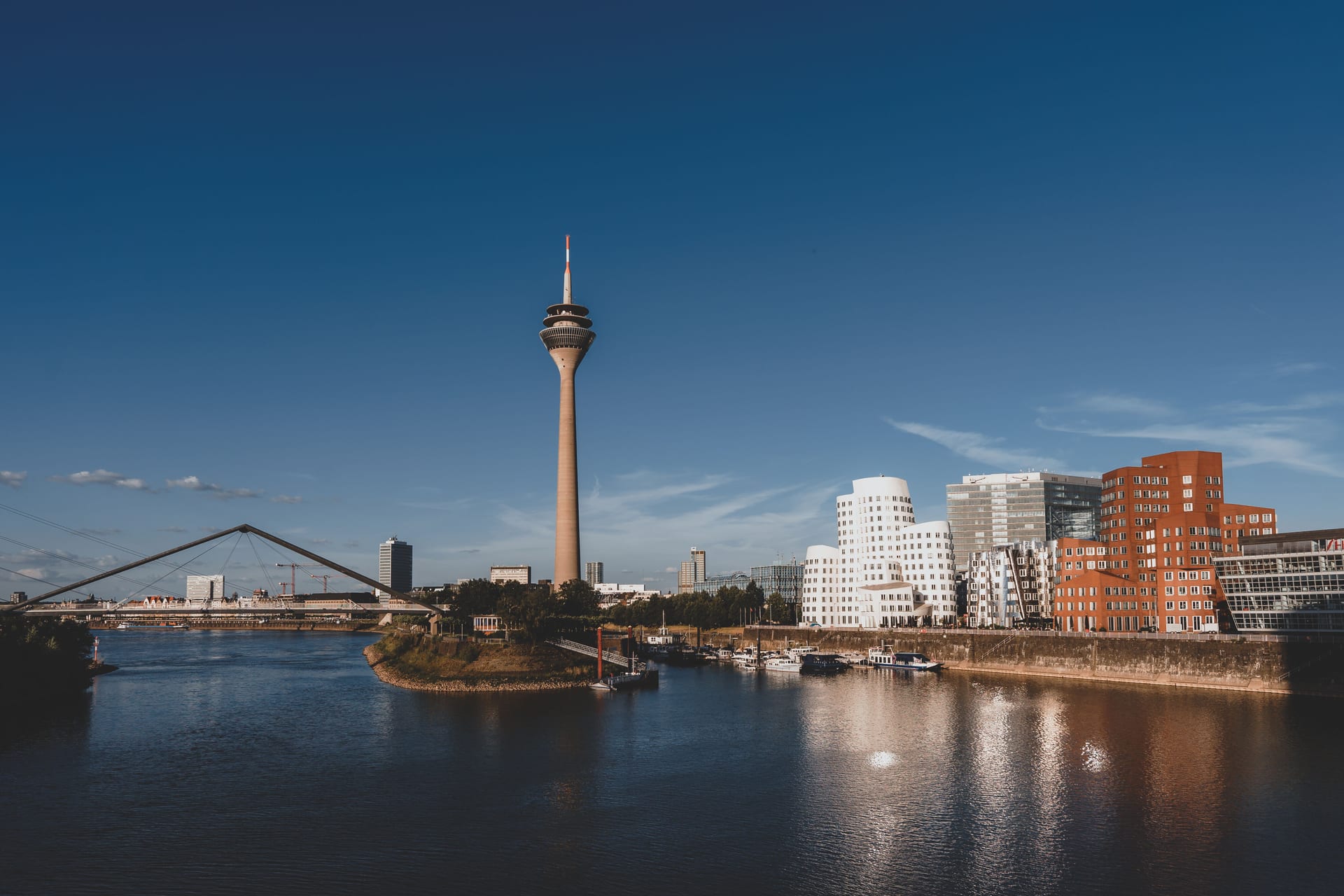
Düsseldorf makes sense if
- You want the easier housing and budget equation in this comparison.
- A calmer day-to-day safety profile matters most to you.
- You want the deeper culture and food scene.
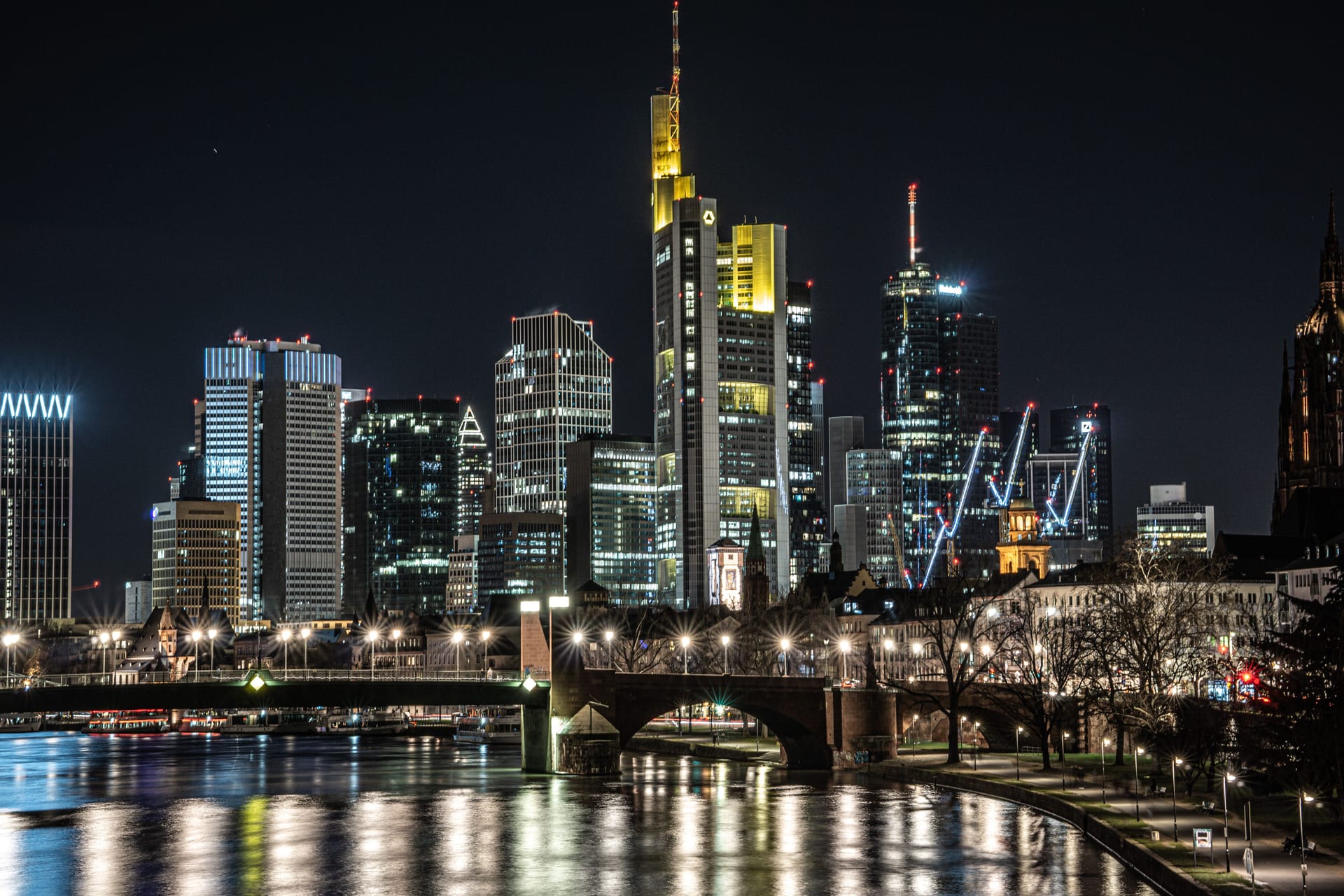
Düsseldorf's Rhine promenade, Königsallee and Altstadt squares are orderly, polished places to spend time. Frankfurt's skyline and river museums sit alongside a deeper finance and professional-services market, though areas near the main station feel less reassuring.
The grey shape is all 283 cities; each row says whether lower or higher is better. Ratings out of 10 are our reviewed estimates; the rest is published data. How we measure
Set how much each area counts. The ranking updates as you go. Climate and values are left out because there is no better or worse there, only your taste.
Leads on nature & outdoors, work & family and moving & settling in; stands out for flight connections and startup & tech scene.
Leads on city life.
Scores out of 100, averaged from the areas you weighted. For a ranking built around your own situation, take the quiz.
Rent on a new lease, everyday prices and tax.
The year month by month. Whether it suits you is yours to judge.
Solid line: average daytime high. Dashed: night-time low. Point at the chart for any month; point at a city name to shade its range.
How easily you get to water, mountains and green space.
Getting around on foot, food, culture and the feel of the streets.
Crime, how safe people feel, and the care you would get.
Jobs, working culture, schools and raising kids.
Visas, language, paperwork and staying connected.
Where each city sits. There is no right end of these scales.
The Altstadt and the Königsallee shopping strip give the centre its character. It is less dense and calmer in pace than Berlin, which suits people who want a city without the churn.
Frankfurt feels compact and easy to navigate without a car. Mixed-use neighbourhoods and strong walking access keep daily errands close, while the wider urban area remains under a million residents.
Safety is a clear strength. Violent crime is very low, streets feel secure by day and after dark, and traffic is well managed.
Frankfurt is safe in the ways that matter most, with very low serious crime and well-managed roads. Pickpocketing and street hassle around the main station drag the everyday feel down a notch, and it ranks below squeaky-clean Munich on perceived safety.
Düsseldorf has a strong local job market, backed by deep professional networks and low unemployment. Care here is excellent, with high-quality hospitals and dependable emergency services typical of western Germany.
Frankfurt offers a deep local job market, strong professional networks, and low unemployment. Care here is excellent and well-resourced, with strong hospitals and reliable emergency services.
The cultural offer is rounded and genuinely cosmopolitan, with strong restaurants, good cafes, and an art and museum scene that punches above the city's size. Düsseldorf is affluent and orderly, its polished Rhine waterfront and tidy streets kept in good shape.
For a finance town, the food and culture scene punches above expectations, with strong restaurants, world-class museums along the river, and a notably international crowd. Frankfurt holds itself in orderly banking-city fashion, clean overall if a touch rough around the station.
Frankfurt is the stronger base for finance and a larger professional network. Düsseldorf suits someone who wants a safer, tidier public realm and a well-connected regional job market.
These numbers treat everyone the same. The quiz weighs them by your budget, climate taste, family and work, and ranks all 283 cities for you.