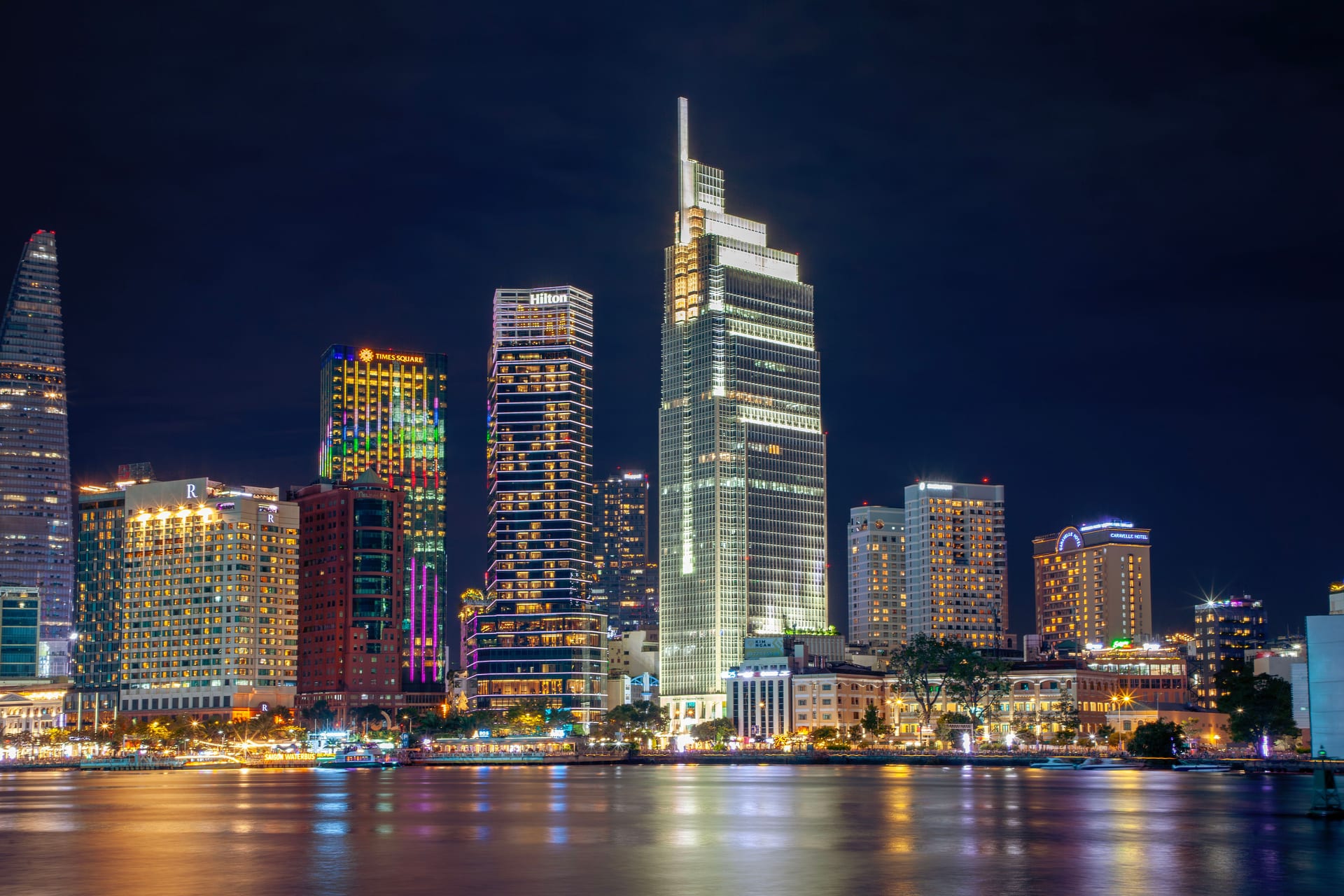
 Vietnam
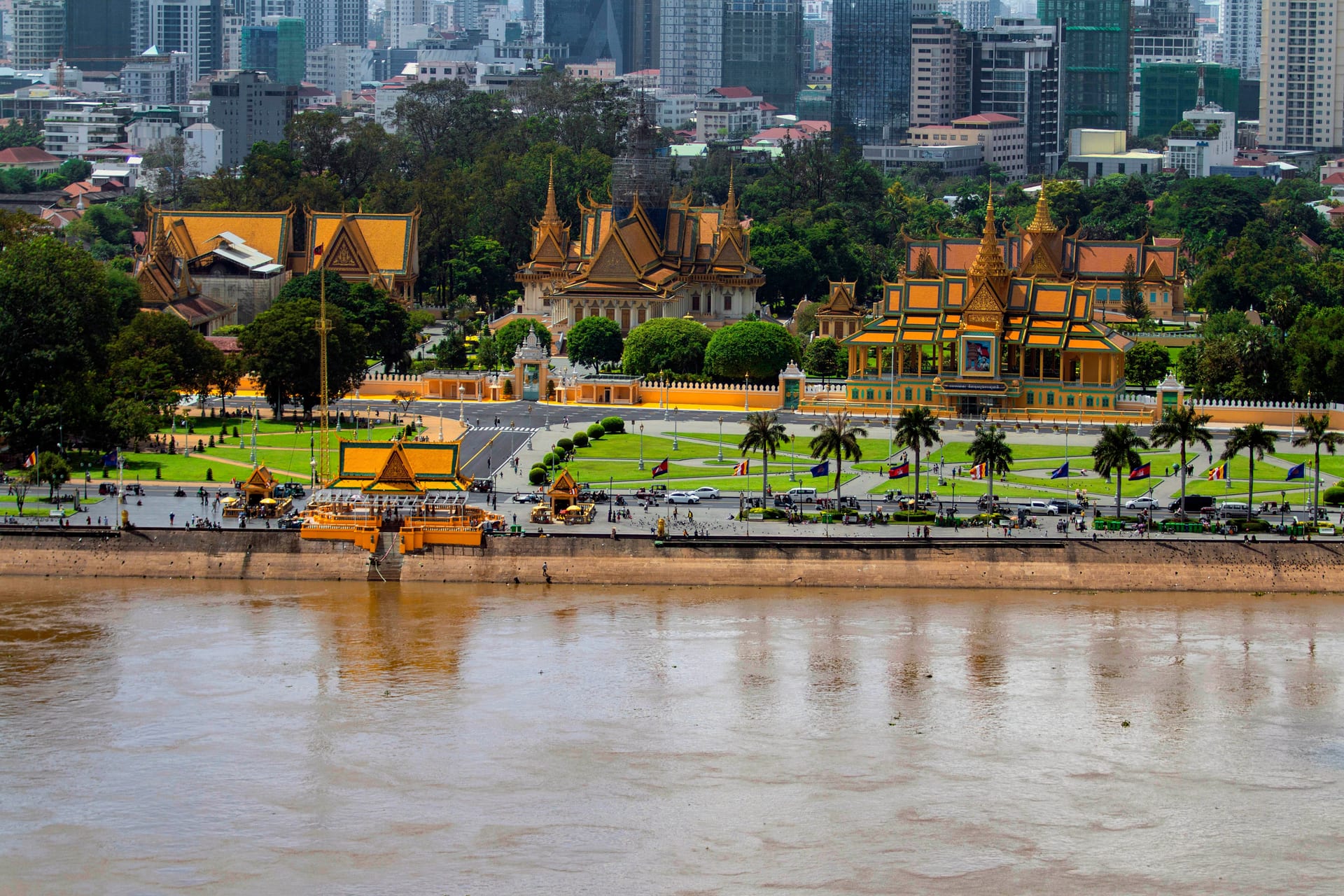
 Cambodia
Ho Chi Minh City makes sense if
- A calmer day-to-day safety profile matters most to you.
- Access to stronger healthcare matters most to you.
- You want the broader career options in this comparison.
Ho Chi Minh City and Phnom Penh are affordable capitals, with Ho Chi Minh City leading on careers, healthcare and food while Phnom Penh offers a smaller base.
The grey shape is all 283 cities; each row says whether lower or higher is better. Ratings out of 10 are our reviewed estimates; the rest is published data. How we measure
Set how much each area counts. The ranking updates as you go. Climate and values are left out because there is no better or worse there, only your taste.
Leads on nature & outdoors, city life, safety & health, work & family and moving & settling in; stands out for parental leave and job market.
Leads on money; stands out for easier visas and rent that fits local pay.
Scores out of 100, averaged from the areas you weighted. For a ranking built around your own situation, take the quiz.
Rent on a new lease, everyday prices and tax.
The year month by month. Whether it suits you is yours to judge.
Solid line: average daytime high. Dashed: night-time low. Point at the chart for any month; point at a city name to shade its range.
How easily you get to water, mountains and green space.
Getting around on foot, food, culture and the feel of the streets.
Crime, how safe people feel, and the care you would get.
Jobs, working culture, schools and raising kids.
Visas, language, paperwork and staying connected.
Where each city sits. There is no right end of these scales.
A dense, fast, scooter-driven sprawl built around motorbikes rather than feet. Walkability is poor and crossing the street takes nerve, with car and bike dependency far higher than in Tokyo or Singapore.
A compact, low-rise capital that feels small and unhurried compared with sprawling Bangkok or Manila. Pace is gentle, but the streets are built around motorbikes and cars rather than walking, so getting around on foot is awkward and neighbourhoods vary a lot in quality.
Serious violent crime is rare and the homicide rate is low, lower than Bangkok or Manila, so most residents feel at ease day to day. Petty theft and bag-snatching are the real nuisance, roughly on par with the region.
Serious violent crime is rare, and the homicide picture is reassuringly low for the region. The everyday concerns are different: bag-snatching and opportunistic theft are common enough to stay alert about, and the traffic is genuinely dangerous, with road safety among the weaker points of living here.
An active local market and very low unemployment are offset by local pay that is low by the wider benchmark. Healthcare is functional rather than reassuring.
Conventional local careers are difficult to build in Phnom Penh. Local healthcare is the real weak spot.
The food scene is deep and cheap, the cafe culture is exceptional and woven into daily life, and nightlife holds its own against Bangkok. Ho Chi Minh City is dense, humid and chaotic, its motorbike-choked streets grimy and its walkable squares few beyond a handful of colonial boulevards near the cathedral.
The food and cafe culture punch above the city's size, with a strong local identity and a growing restaurant scene, even if it stays a step behind Bangkok. Phnom Penh is dusty and littered, its waste systems weak and traffic disorderly, with cared-for space largely confined to the riverside promenade by the Tonle Sap.
Choose Ho Chi Minh City for a deeper business market, hospitals and dining. Phnom Penh suits remote earners seeking a compact social scene and Khmer culture, accepting thinner services.
These numbers treat everyone the same. The quiz weighs them by your budget, climate taste, family and work, and ranks all 283 cities for you.