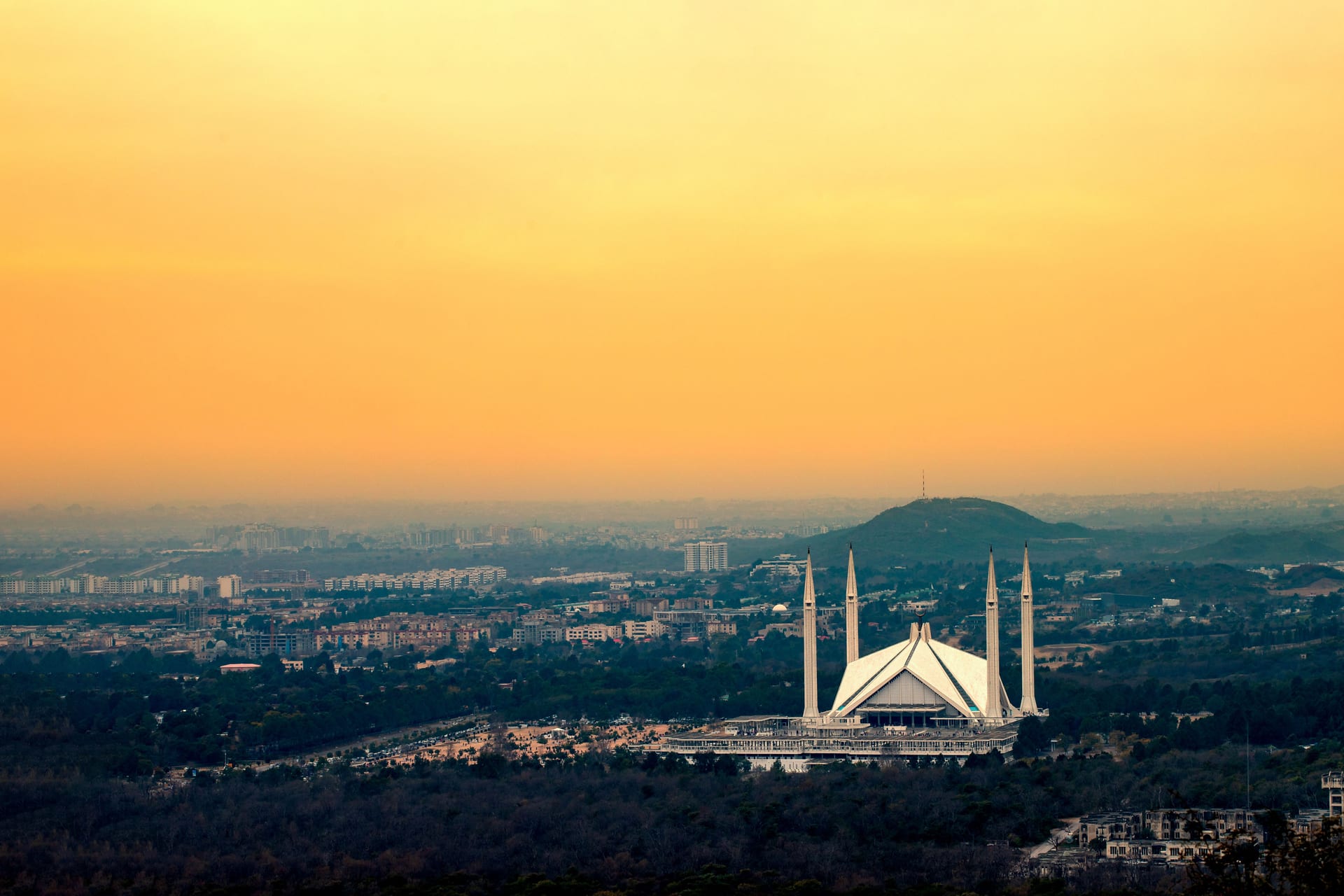
 Pakistan
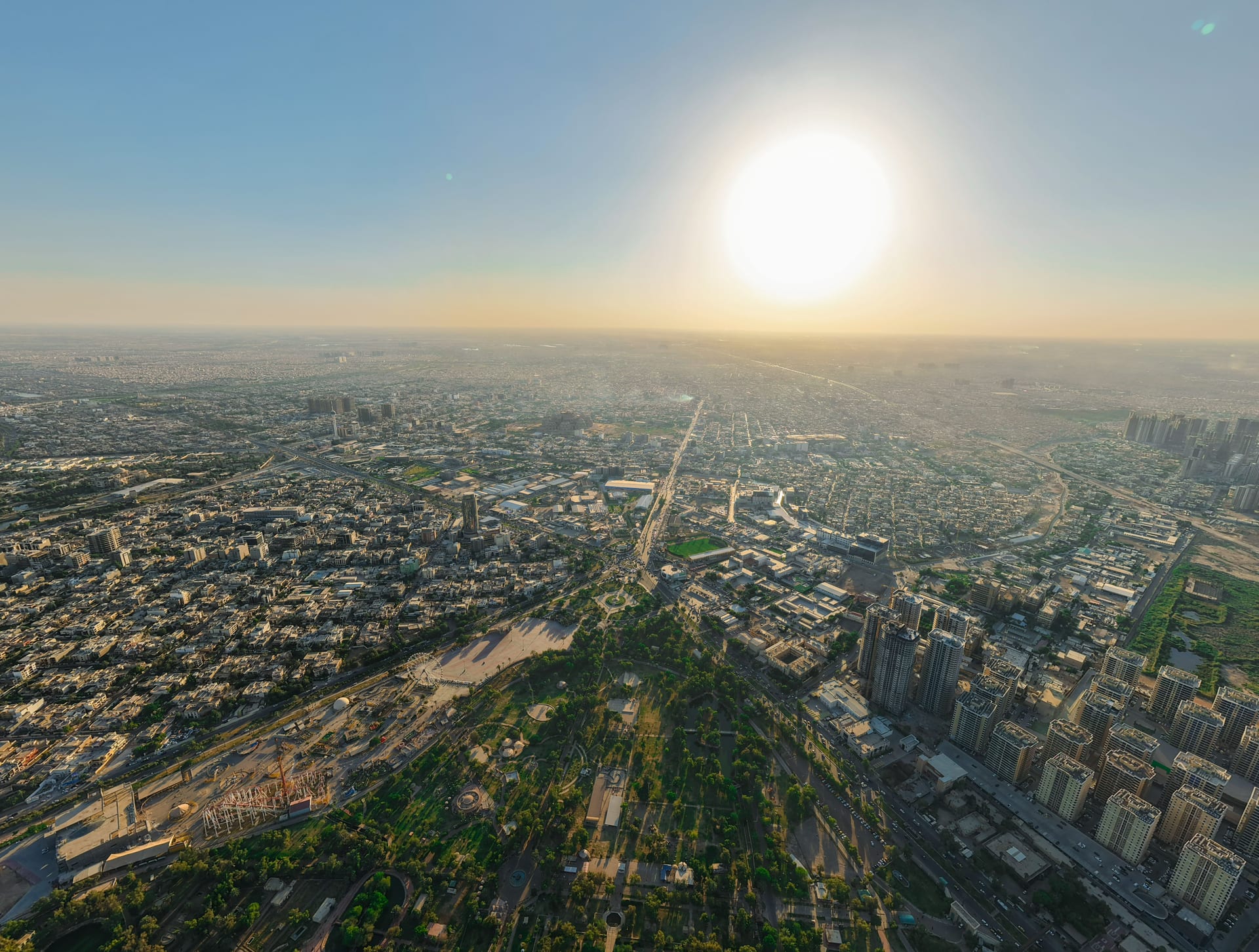
Islamabad makes sense if
- A calmer day-to-day safety profile matters most to you.
- Access to stronger healthcare matters most to you.
- You value stronger public spaces and everyday city life.
Islamabad is a planned, greener capital laid out beneath the Margalla Hills, with a gentle pace but a conservative social climate and thin job market. Karachi is the commercial engine: faster, larger and more career-oriented, with infrastructure and safety concerns to navigate.
The grey shape is all 283 cities; each row says whether lower or higher is better. Ratings out of 10 are our reviewed estimates; the rest is published data. How we measure
Set how much each area counts. The ranking updates as you go. Climate and values are left out because there is no better or worse there, only your taste.
Leads on nature & outdoors, city life, safety & health, work & family and moving & settling in; stands out for mountains and forests.
Tied best on money with Islamabad, both 73; stands out for local culture and beach & sea.
Scores out of 100, averaged from the areas you weighted. For a ranking built around your own situation, take the quiz.
Rent on a new lease, everyday prices and tax.
The year month by month. Whether it suits you is yours to judge.
Solid line: average daytime high. Dashed: night-time low. Point at the chart for any month; point at a city name to shade its range.
How easily you get to water, mountains and green space.
Getting around on foot, food, culture and the feel of the streets.
Crime, how safe people feel, and the care you would get.
Jobs, working culture, schools and raising kids.
Visas, language, paperwork and staying connected.
Where each city sits. There is no right end of these scales.
A purpose-built capital of wide avenues and low-rise sectors, spacious and orderly by South Asian standards but spread out and built around the car. Walkability is poor and there is little of the dense, mixed-use street life found in older Pakistani cities.
An enormous, densely packed metropolis on the scale of Bangkok's metro, with the relentless tempo of a commercial capital. It is built around the car, walkability is low, and neighbourhood quality varies sharply from one district to the next.
Day-to-day crime is low, noticeably so against Karachi, and violent incidents are rare for the region. The serious caveat is political stability, which scores at the floor here: Pakistan carries real volatility, and the capital sees periodic protests, security alerts and abrupt disruptions.
Safety is one of the harder realities. Perceived safety is low, going out at night feels risky to many residents, and petty crime is common.
The local market is thin, with limited industry depth and professional networks. Private hospitals in the capital are among the country's better options and English is widely spoken in clinics, but the overall picture is modest.
Some English-language work exists in Karachi, but the market is narrow for newcomers and concentrated in a few sectors. Care is uneven.
Pakistani food is the real draw, with strong local cooking and a serviceable cafe scene, though the restaurant range trails livelier Karachi and the regional heavyweights. The wide boulevards and Faisal Mosque grounds impress, though it's car-centric and short on intimate squares.
Food is the city's strongest card. Karachi is a sprawling megacity where garbage, dust and neglected infrastructure define the upkeep.
Islamabad fits someone seeking a calmer, greener and more orderly routine, if its limited work options and conservative atmosphere suit you. Karachi is the stronger base for career variety and food culture, with a much harder urban pace.
These numbers treat everyone the same. The quiz weighs them by your budget, climate taste, family and work, and ranks all 283 cities for you.