 Saudi Arabia
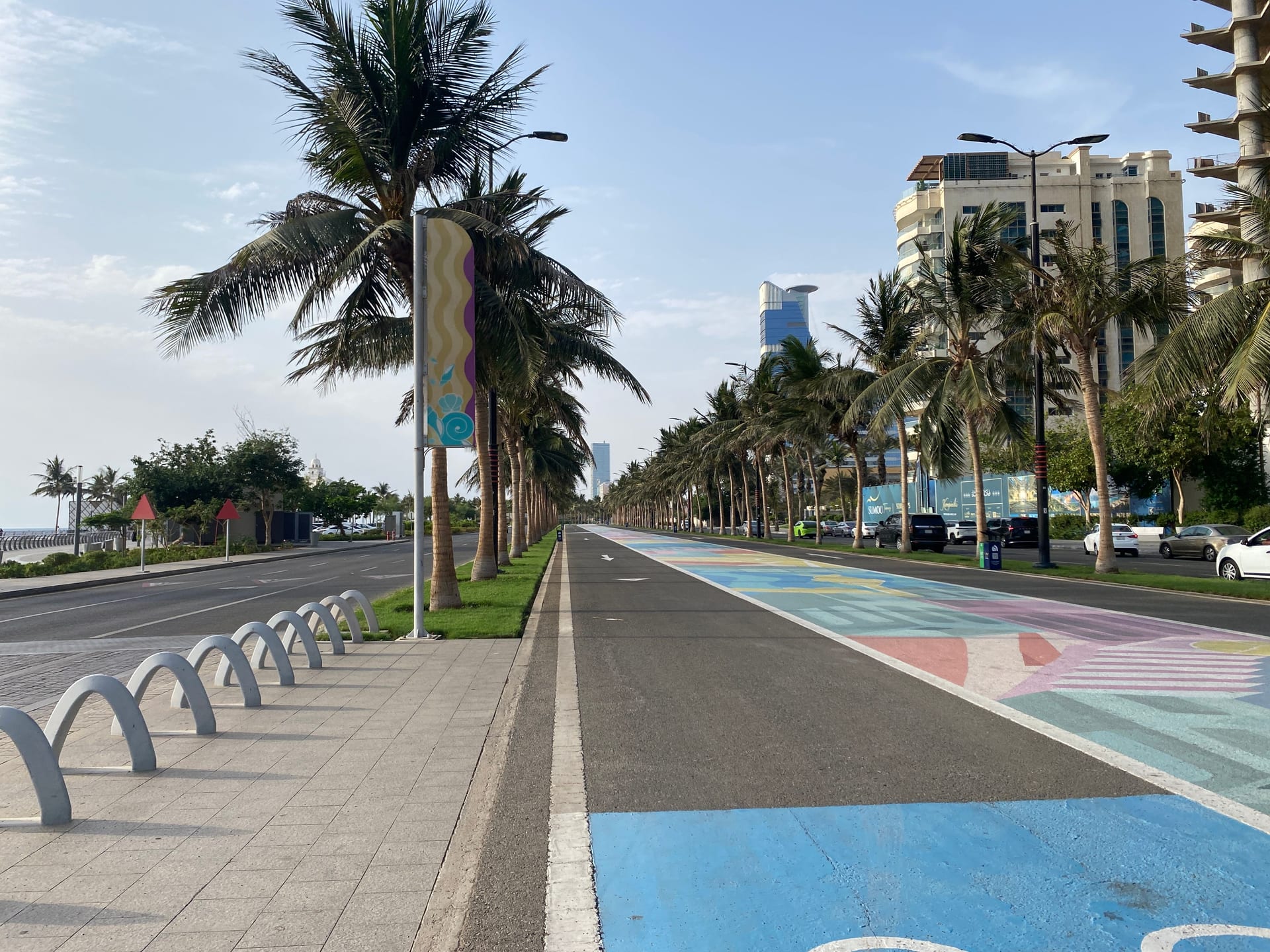
Jeddah makes sense if
- You want the easier housing and budget equation in this comparison.
- A calmer day-to-day safety profile matters most to you.
- You value stronger public spaces and everyday city life.
Jeddah's bright coastal climate gives way to persistent summer humidity, while Riyadh is a sprawling desert capital built around cars, malls and compounds. Riyadh is changing quickly, but public life remains conservative and its layout shapes every errand.
The grey shape is all 283 cities; each row says whether lower or higher is better. Ratings out of 10 are our reviewed estimates; the rest is published data. How we measure
Set how much each area counts. The ranking updates as you go. Climate and values are left out because there is no better or worse there, only your taste.
Leads on nature & outdoors; stands out for beach & sea and cleaner air.
Leads on work & family; stands out for fewer muggy days and professional network.
Scores out of 100, averaged from the areas you weighted. For a ranking built around your own situation, take the quiz.
Rent on a new lease, everyday prices and tax.
The year month by month. Whether it suits you is yours to judge.
Solid line: average daytime high. Dashed: night-time low. Point at the chart for any month; point at a city name to shade its range.
How easily you get to water, mountains and green space.
Getting around on foot, food, culture and the feel of the streets.
Crime, how safe people feel, and the care you would get.
Jobs, working culture, schools and raising kids.
Visas, language, paperwork and staying connected.
Where each city sits. There is no right end of these scales.
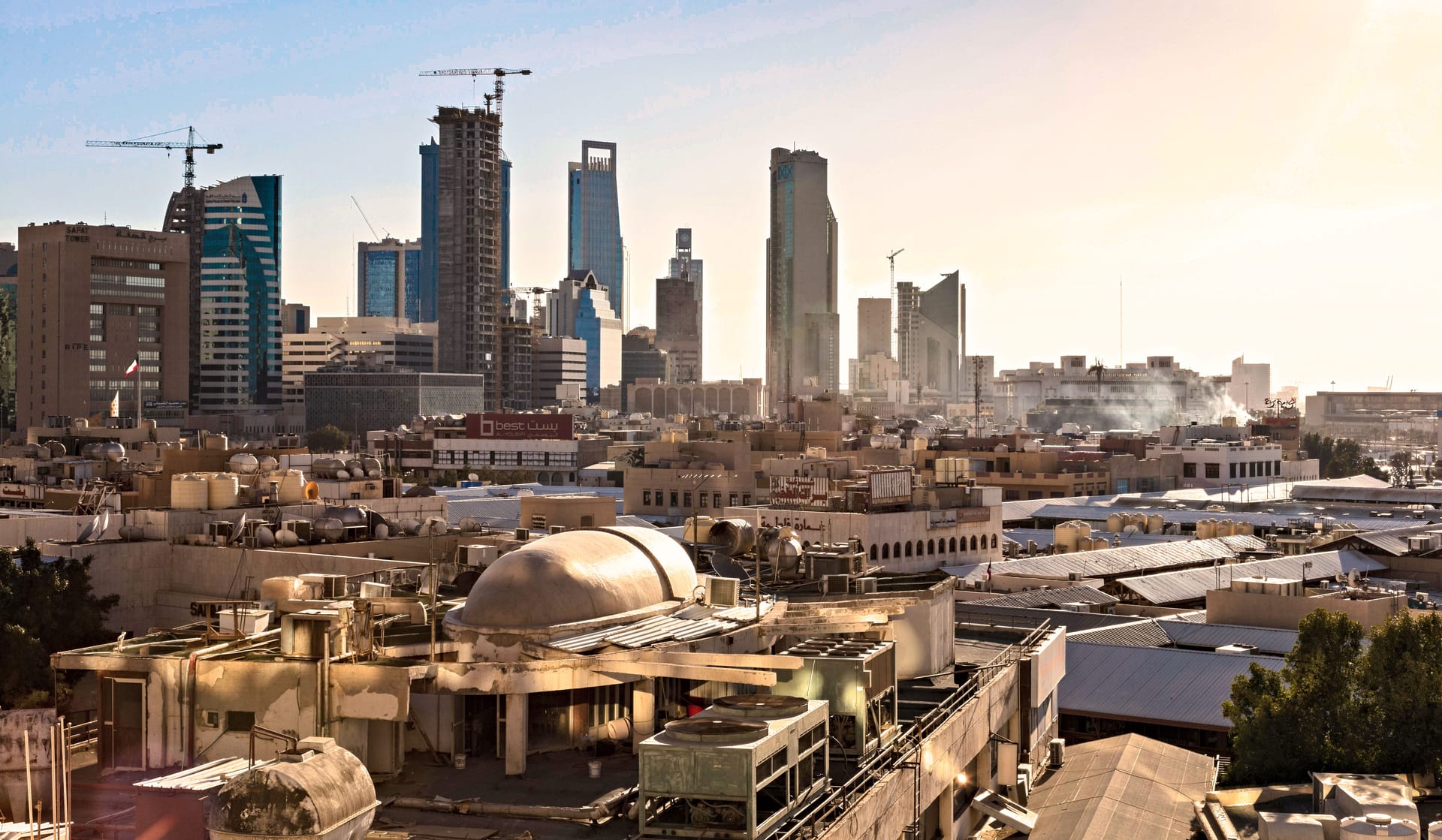
A sprawling, car-built city where walking rarely makes sense and distances are covered by driving. Density is low and neighbourhoods spread wide rather than cluster, so the compact, stroll-everywhere texture of an older European or Asian city is absent here.
Riyadh sprawls. It was laid out for the car, and walking between places is rarely realistic given the distances and the heat.
Jeddah is very safe by most everyday measures, with low violent and petty crime and a strong sense of personal security on the streets. The caveat sits at the political level, where the wider regional context carries more uncertainty than the calm of daily life would suggest.
Street crime is about as low as it gets, and both violent and petty offences are rare. Residents generally feel secure walking around, including at night, which is one of the city's most consistent strengths.
Jeddah's local market is reasonably broad, with English useful in many workplaces and unemployment relatively low. Hospital access is solid and English is commonly spoken in private clinics, which eases things considerably for newcomers.
Riyadh offers a strong local job market, with good industry breadth, English-language access, and low unemployment. Major hospitals are well-equipped and the private system can deliver strong care, with English widely spoken by medical staff, which eases things for arrivals.
A long-standing merchant port, Jeddah is the more open and outward-looking of the kingdom's big cities, with a steady international crowd and a strong food culture spanning regional and global kitchens. The Corniche waterfront is genuinely strong, and Al-Balad's historic core gives the city texture.
The international expat community is large and easy to plug into, and the dining scene has broadened fast, though cafes and restaurants still skew toward chains and family-friendly formats. Riyadh is wealthy and its new districts kept clean, if dusty and endlessly sprawling.
Riyadh is the stronger base if you want a fast-changing capital and can live with car dependence and conservative norms. Jeddah offers comfortable winters and a more coastal climate, with humid summers and work arrangements key to comfort.
These numbers treat everyone the same. The quiz weighs them by your budget, climate taste, family and work, and ranks all 283 cities for you.