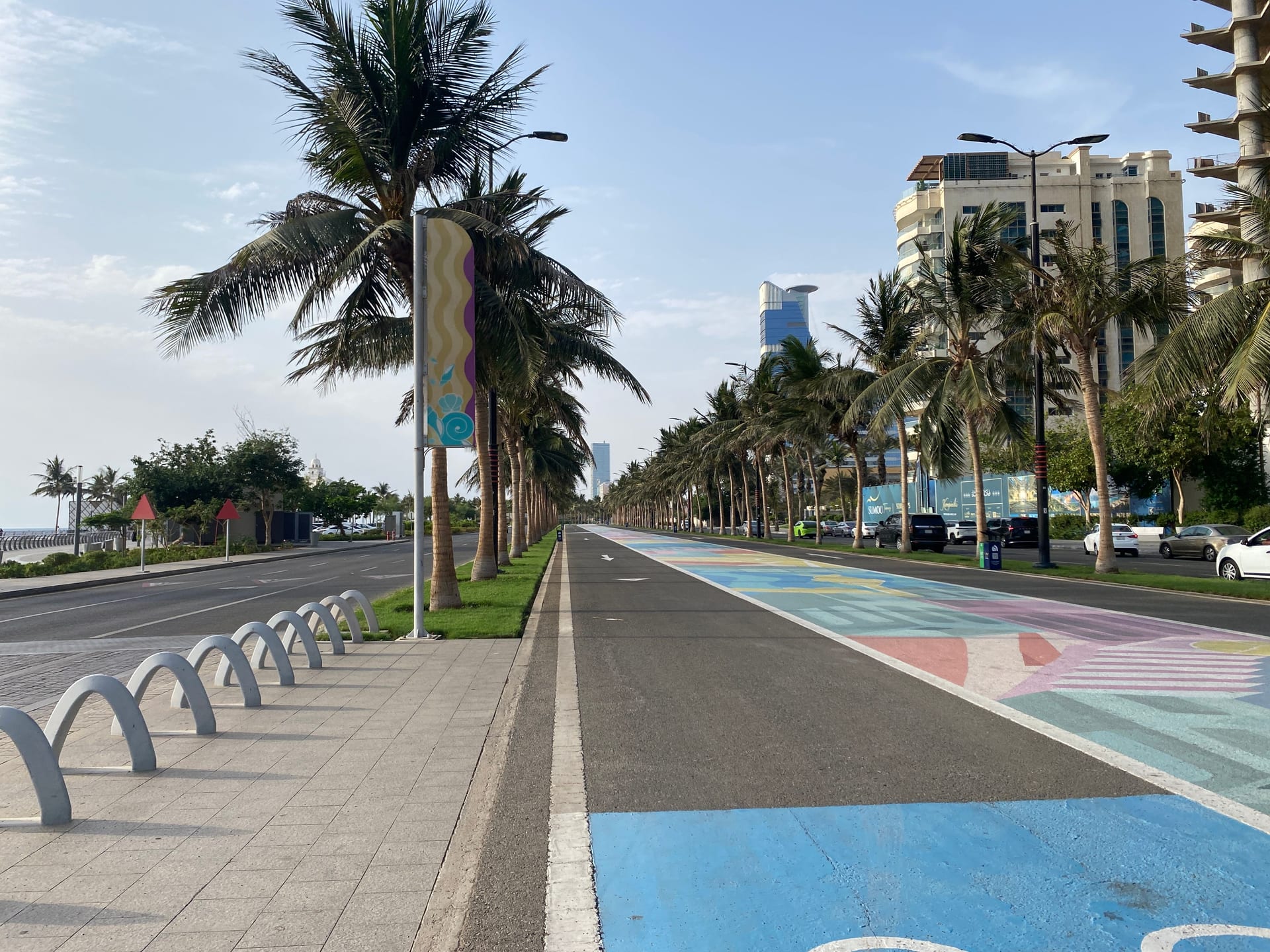
 Saudi Arabia
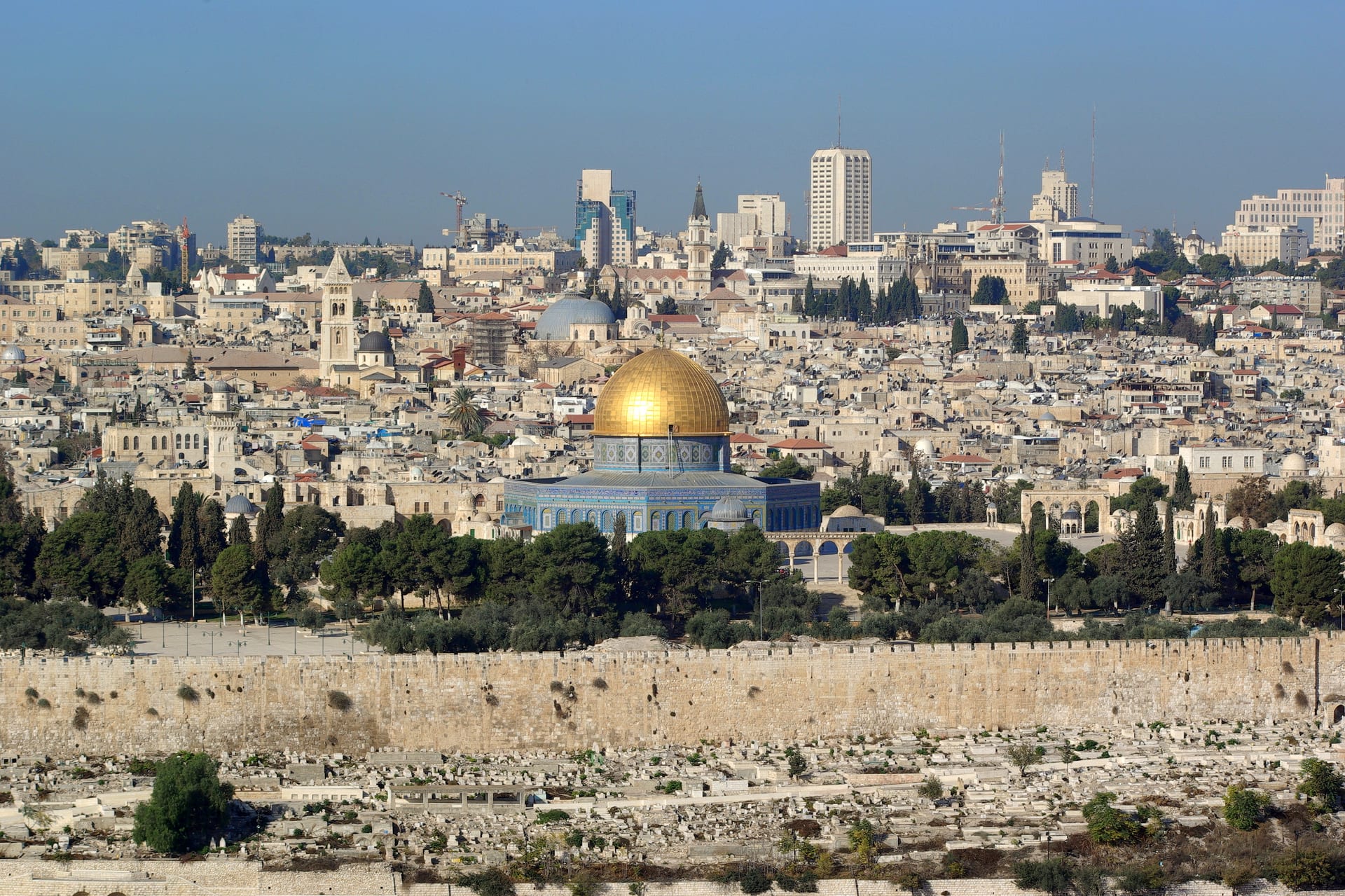
 Israel
Jeddah makes sense if
- You want the easier housing and budget equation in this comparison.
- A calmer day-to-day safety profile matters most to you.
Jeddah brings reliable sunshine and comfortable winters, with persistent summer humidity shaping daily plans. Jerusalem is an ancient hilltop city with a deep food and cultural life, but political instability and a religiously charged public sphere are part of its lived context.
The grey shape is all 283 cities; each row says whether lower or higher is better. Ratings out of 10 are our reviewed estimates; the rest is published data. How we measure
Set how much each area counts. The ranking updates as you go. Climate and values are left out because there is no better or worse there, only your taste.
Leads on nature & outdoors and city life; stands out for safer roads and fewer muggy days.
Leads on money; stands out for simpler taxes and space for the money.
Scores out of 100, averaged from the areas you weighted. For a ranking built around your own situation, take the quiz.
Rent on a new lease, everyday prices and tax.
The year month by month. Whether it suits you is yours to judge.
Solid line: average daytime high. Dashed: night-time low. Point at the chart for any month; point at a city name to shade its range.
How easily you get to water, mountains and green space.
Getting around on foot, food, culture and the feel of the streets.
Crime, how safe people feel, and the care you would get.
Jobs, working culture, schools and raising kids.
Visas, language, paperwork and staying connected.
Where each city sits. There is no right end of these scales.
A sprawling, car-built city where walking rarely makes sense and distances are covered by driving. Density is low and neighbourhoods spread wide rather than cluster, so the compact, stroll-everywhere texture of an older European or Asian city is absent here.
A mid-size city built across stone hills, dense in its older quarters but more spread out and car-reliant than walkable Tel Aviv. Neighbourhoods have strong distinct character and a workable mix of homes, shops, and life on the street.
Jeddah is very safe by most everyday measures, with low violent and petty crime and a strong sense of personal security on the streets. The caveat sits at the political level, where the wider regional context carries more uncertainty than the calm of daily life would suggest.
Everyday crime is low, with little violent or street crime and safe traffic by regional measures. The serious caveat is political stability, which scores at the floor: the city sits at the centre of long-running conflict, and periods of tension or security alerts are part of the backdrop.
Jeddah's local market is reasonably broad, with English useful in many workplaces and unemployment relatively low. Hospital access is solid and English is commonly spoken in private clinics, which eases things considerably for newcomers.
Jerusalem has low unemployment and a reasonably steady local market, with a startup scene that adds some opportunities. Care is strong and reliable, anchored by well-regarded hospitals and dependable emergency services on par with the coast.
A long-standing merchant port, Jeddah is the more open and outward-looking of the kingdom's big cities, with a steady international crowd and a strong food culture spanning regional and global kitchens. The Corniche waterfront is genuinely strong, and Al-Balad's historic core gives the city texture.
Its local culture and concentration of museums, sites, and events rank among the deepest anywhere, layering millennia of history with living religious tradition. Its public life lives in the Old City lanes, plazas and markets rather than any modern built realm.
Jerusalem suits someone drawn to its history and cultural depth who is prepared for a complex political environment. Jeddah offers a sunnier, more work-dependent routine; heat tolerance and local pay should shape the decision.
These numbers treat everyone the same. The quiz weighs them by your budget, climate taste, family and work, and ranks all 283 cities for you.