
 Rwanda
 Kenya
Kigali makes sense if
- You want the easier housing and budget equation in this comparison.
- A calmer day-to-day safety profile matters most to you.
- Access to stronger healthcare matters most to you.
Kigali is a calm, clean and notably safe city, though local work and healthcare are thin. Nairobi is a fast-growing commercial anchor with more career opportunity, but traffic, uneven safety and infrastructure gaps are part of daily life.
The grey shape is all 283 cities; each row says whether lower or higher is better. Ratings out of 10 are our reviewed estimates; the rest is published data. How we measure
Set how much each area counts. The ranking updates as you go. Climate and values are left out because there is no better or worse there, only your taste.
Leads on city life and safety & health; stands out for safe at night and less violent crime.
Leads on nature & outdoors and moving & settling in; stands out for national parks nearby and train connections.
Scores out of 100, averaged from the areas you weighted. For a ranking built around your own situation, take the quiz.
Rent on a new lease, everyday prices and tax.
The year month by month. Whether it suits you is yours to judge.
Solid line: average daytime high. Dashed: night-time low. Point at the chart for any month; point at a city name to shade its range.
How easily you get to water, mountains and green space.
Getting around on foot, food, culture and the feel of the streets.
Crime, how safe people feel, and the care you would get.
Jobs, working culture, schools and raising kids.
Visas, language, paperwork and staying connected.
Where each city sits. There is no right end of these scales.
Hilly terrain and reliance on cars or motorbike taxis mean it is only moderately walkable. Neighbourhoods are tidy and well-kept by regional standards, with a slow, residential feel that some find restful and others find sleepy.
Nairobi is a sprawling, tightly packed city, and getting around without a car is hard, so daily life tends to revolve around driving. Walkability and mixed-use streets are limited, and the layout favours gated estates and compounds over a continuous urban fabric.
Kigali still feels orderly and comfortable in everyday life. Violent crime and petty theft are uncommon, and walking after dark is usually easy.
Safety is genuinely mixed and worth taking seriously. Serious violent crime as measured by homicide is lower than its reputation suggests, but petty theft, mugging and a wariness about walking alone at night are real, everyday concerns.
Kigali's local market is small and difficult, with high unemployment and a thin professional network. Healthcare is one of the real weak points.
Nairobi has a credible professional base in the right fields, with strong English-language access and a meaningful technology ecosystem. Healthcare is one of Nairobi's weaker areas.
The cultural and dining scene is modest and still emerging. Kigali is famously clean for the region, with a plastic-bag ban and orderly, swept streets that genuinely stand out.
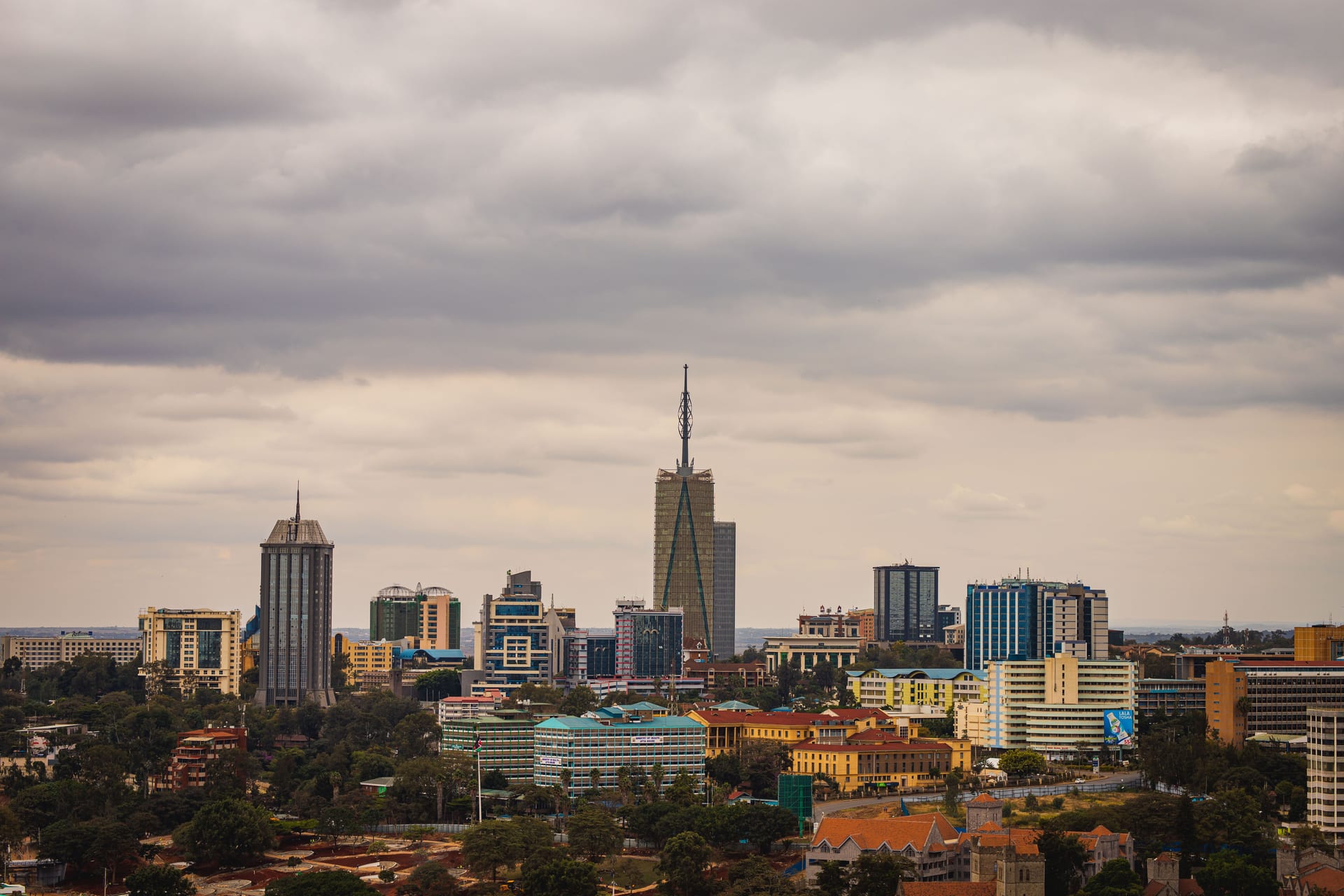
The food and culture scene is solid without being a regional powerhouse. Nairobi is mixed: a modern core ringed by litter, informal settlement and security-conscious habits that push life behind walls and into malls.
Nairobi is the more practical choice if career depth is essential and you can navigate its uneven safety and infrastructure. Kigali offers a calmer, safer routine for people who have work secured and do not need a large local employment market.
These numbers treat everyone the same. The quiz weighs them by your budget, climate taste, family and work, and ranks all 283 cities for you.