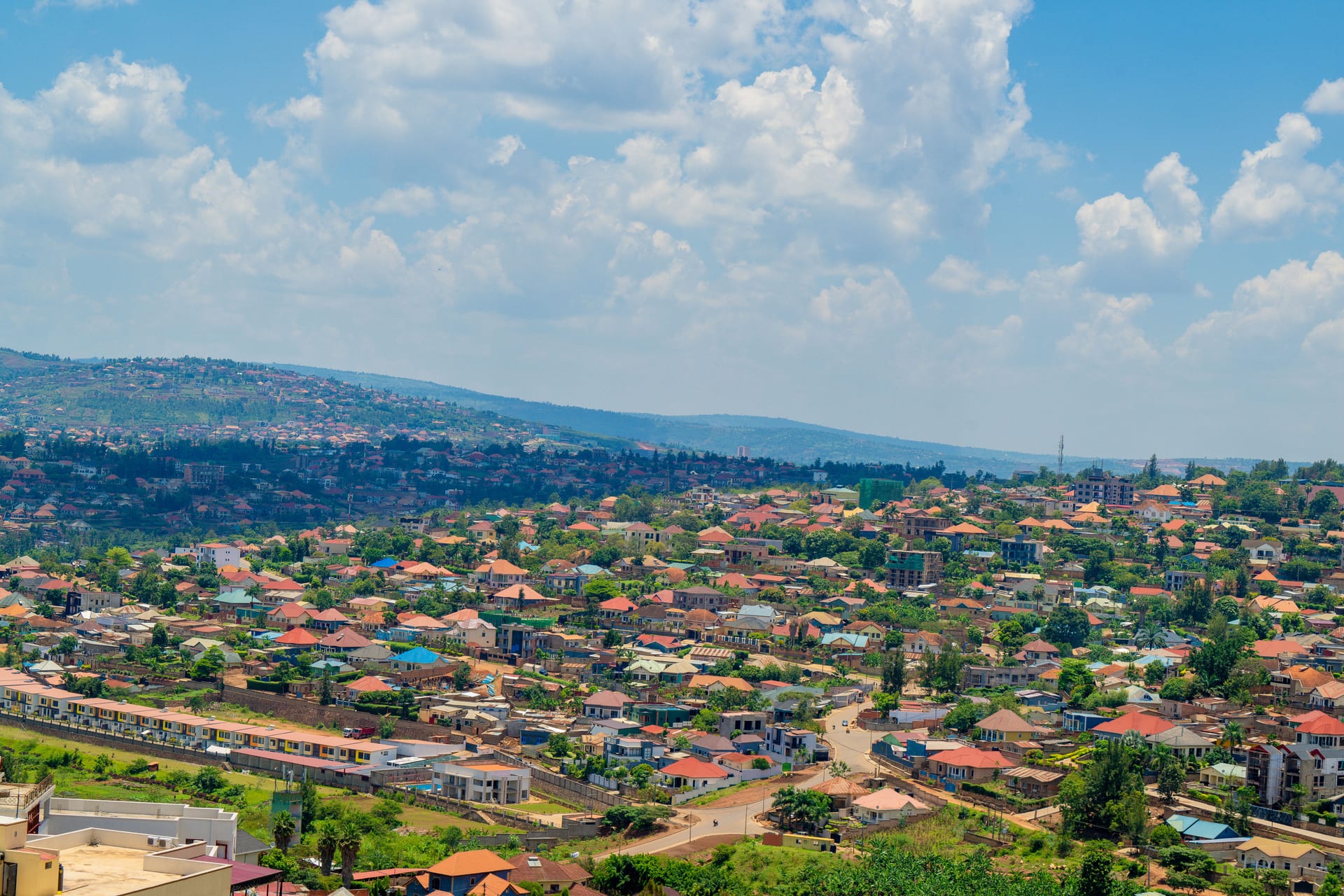
 Rwanda
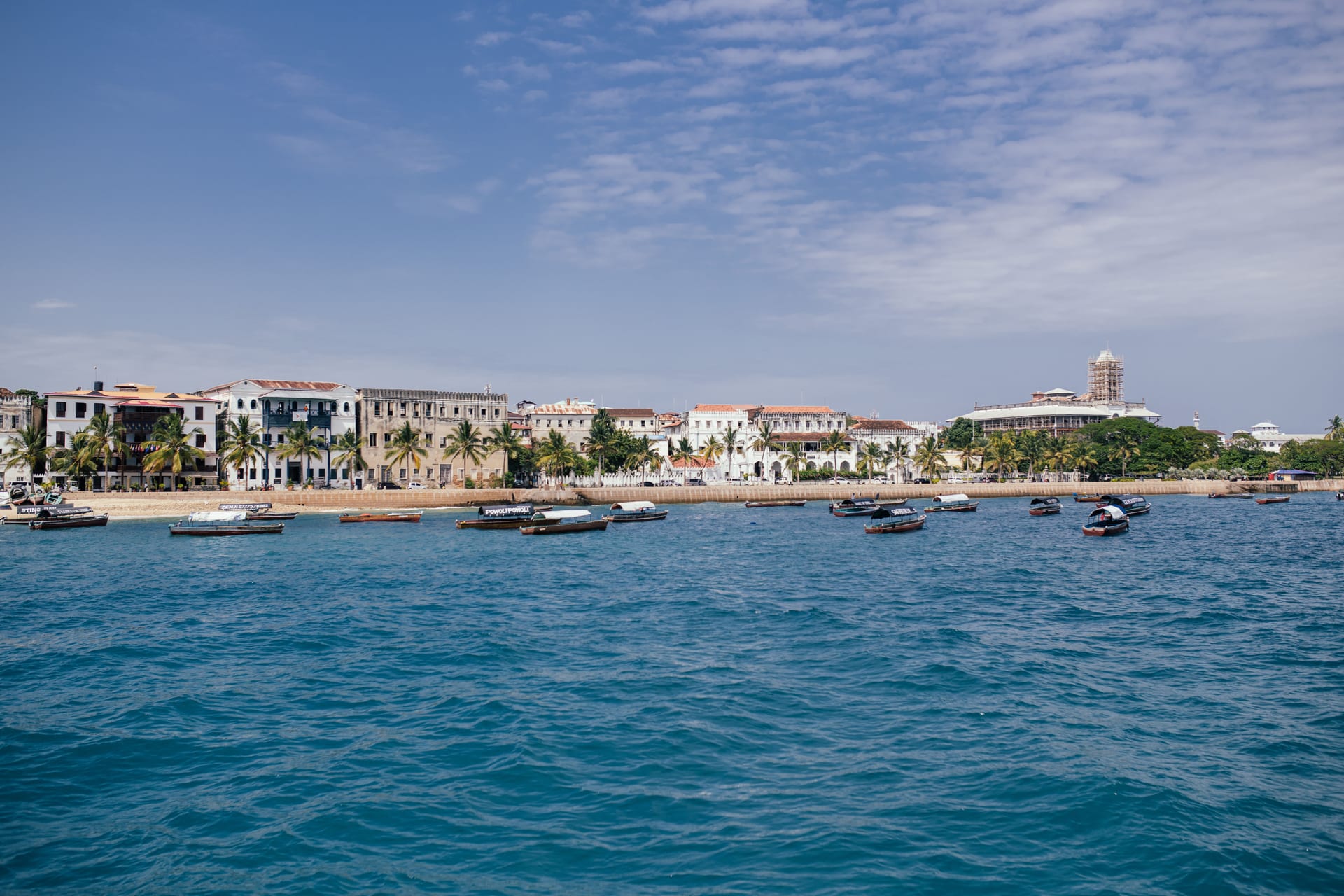
 Tanzania
Kigali makes sense if
- A calmer day-to-day safety profile matters most to you.
- Access to stronger healthcare matters most to you.
- You want the broader career options in this comparison.
Kigali is cleaner, safer, and more professionally diversified than Zanzibar City, with the stronger healthcare and public-life scores. Zanzibar offers lower costs, a vivid Swahili coastal culture, and a tourism-led island rhythm.
The grey shape is all 283 cities; each row says whether lower or higher is better. Ratings out of 10 are our reviewed estimates; the rest is published data. How we measure
Set how much each area counts. The ranking updates as you go. Climate and values are left out because there is no better or worse there, only your taste.
Leads on nature & outdoors, safety & health, work & family and moving & settling in; stands out for mountains and fewer muggy days.
Leads on money; stands out for beach & sea and rent that fits local pay.
Scores out of 100, averaged from the areas you weighted. For a ranking built around your own situation, take the quiz.
Rent on a new lease, everyday prices and tax.
The year month by month. Whether it suits you is yours to judge.
Solid line: average daytime high. Dashed: night-time low. Point at the chart for any month; point at a city name to shade its range.
How easily you get to water, mountains and green space.
Getting around on foot, food, culture and the feel of the streets.
Crime, how safe people feel, and the care you would get.
Jobs, working culture, schools and raising kids.
Visas, language, paperwork and staying connected.
Where each city sits. There is no right end of these scales.
Hilly terrain and reliance on cars or motorbike taxis mean it is only moderately walkable. Neighbourhoods are tidy and well-kept by regional standards, with a slow, residential feel that some find restful and others find sleepy.
The historic stone quarter is dense and human-scaled, with daily life, shops, and homes folded together. Pace is gentle to the point of sleepy, suburbs are basic, and anyone expecting a real metropolis will find it modest.
Kigali still feels orderly and comfortable in everyday life. Violent crime and petty theft are uncommon, and walking after dark is usually easy.
Petty theft is the more routine concern, night walking feels less secure, and roads add a separate hazard. The island's political backdrop also deserves attention.
Kigali's local market is small and difficult, with high unemployment and a thin professional network. Healthcare is one of the real weak points.
Zanzibar City has a very small local market, with thin professional networks and almost no startup depth. Local hospitals are limited, specialists are scarce, and serious or emergency cases often mean evacuation to the mainland or abroad.
The cultural and dining scene is modest and still emerging. Kigali is famously clean for the region, with a plastic-bag ban and orderly, swept streets that genuinely stand out.
Swahili coastal culture is the standout, a deep blend of African, Arab, and Indian influence that shapes food, music, and daily life far more than in glossier destinations like Dubai. Zanzibar's Stone Town is atmospheric but worn, litter gathering in its historic alleys and seafront, with shared space mostly the old squares and the waterfront at dusk.
Kigali is the more dependable base for work, safety, healthcare, and orderly daily life. Zanzibar City suits remote earners who value beaches and historic atmosphere, while accepting a thinner job market and referrals for serious care.
These numbers treat everyone the same. The quiz weighs them by your budget, climate taste, family and work, and ranks all 283 cities for you.