 France
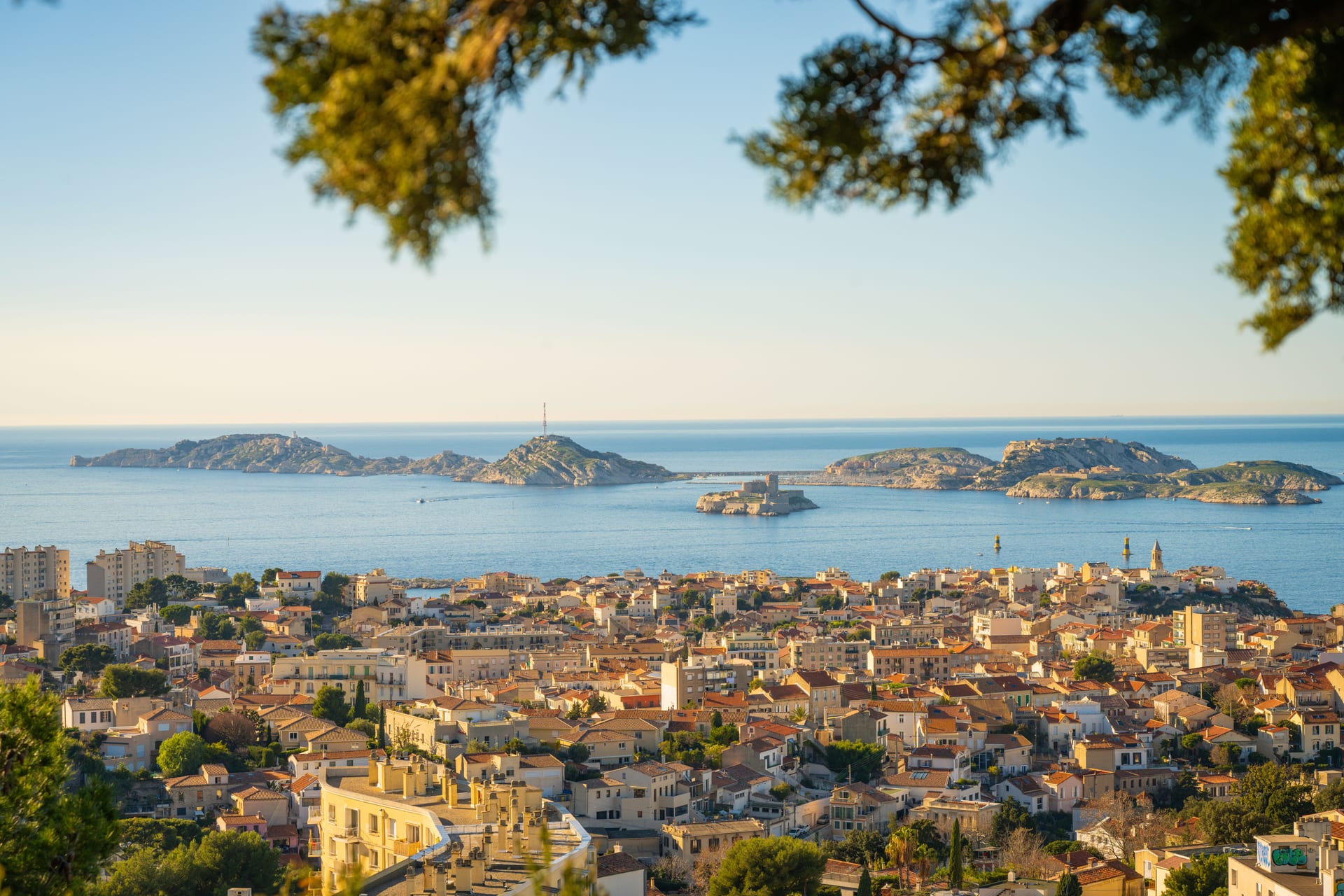
Marseille makes sense if
- You want the deeper culture and food scene.
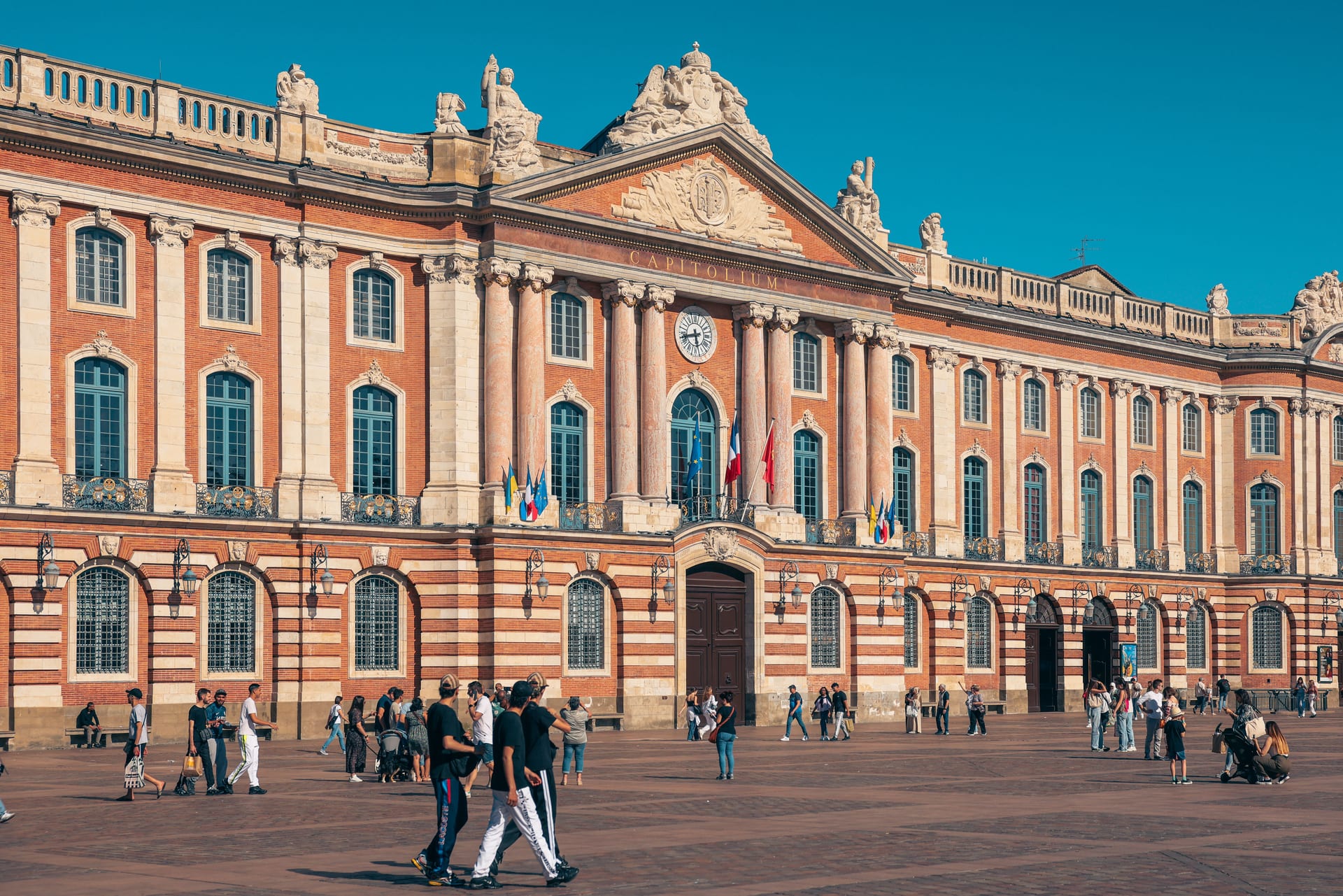
Marseille is a sunlit Mediterranean port with an unpolished street culture and a strong food scene. Toulouse is a warm, red-brick university and aerospace capital with an easier daily rhythm and a strong local identity.
The grey shape is all 283 cities; each row says whether lower or higher is better. Ratings out of 10 are our reviewed estimates; the rest is published data. How we measure
Set how much each area counts. The ranking updates as you go. Climate and values are left out because there is no better or worse there, only your taste.
Leads on city life, safety & health and work & family; stands out for clean, cared-for streets and cycling infrastructure.
Leads on moving & settling in; stands out for beach & sea and national parks nearby.
Scores out of 100, averaged from the areas you weighted. For a ranking built around your own situation, take the quiz.
Rent on a new lease, everyday prices and tax.
The year month by month. Whether it suits you is yours to judge.
Solid line: average daytime high. Dashed: night-time low. Point at the chart for any month; point at a city name to shade its range.
How easily you get to water, mountains and green space.
Getting around on foot, food, culture and the feel of the streets.
Crime, how safe people feel, and the care you would get.
Jobs, working culture, schools and raising kids.
Visas, language, paperwork and staying connected.
Where each city sits. There is no right end of these scales.
A compact, human-scaled city after the sprawl of Paris, walkable in its core and built on a workable mix of homes, shops and life at street level. It is smaller and less dense than the capital, which suits people who want a big-city feel without the crush.
A mid-sized city that feels human-scaled, with a walkable old centre of pink-brick streets and solid, livable neighbourhoods. Density is moderate and homes tend to come with more room than a Parisian flat.
Marseille's reputation is worse than its recorded crime. Traffic safety is reasonable.
Toulouse is a safe place to settle by most measures, with low serious-crime levels and strong road safety. Walking after dark feels comfortable in most areas.
The local market is limited in breadth. Backed by France's strong public system, with good hospitals, capable specialists and very low out-of-pocket costs once enrolled.
Toulouse has a strong local market built around high-value industries, with a sizeable technology ecosystem and professional networks that are useful without being deep. Care quality is high and largely free at the point of use, with reliable hospitals and emergency services and very low out-of-pocket exposure.
Marseille's fierce local identity is its strongest cultural asset, a port culture shaped by North African, Italian and Provençal layers and proud of being nothing like Paris. What redeems it is the sea: the Vieux-Port, the seafront, the Calanques on the doorstep, all alive and free.
A lively southern food and cafe culture, anchored in hearty regional cooking like cassoulet and the wider Occitan table, with a strong sense of local identity from a big student population. Toulouse, the pink-brick city, keeps decent upkeep though grime gathers in spots.
Toulouse is the better base if aerospace or university work and a more relaxed urban rhythm appeal. Marseille is for someone drawn to its port-city food and coastal energy, and comfortable with a rougher daily edge.
These numbers treat everyone the same. The quiz weighs them by your budget, climate taste, family and work, and ranks all 283 cities for you.