 Malta
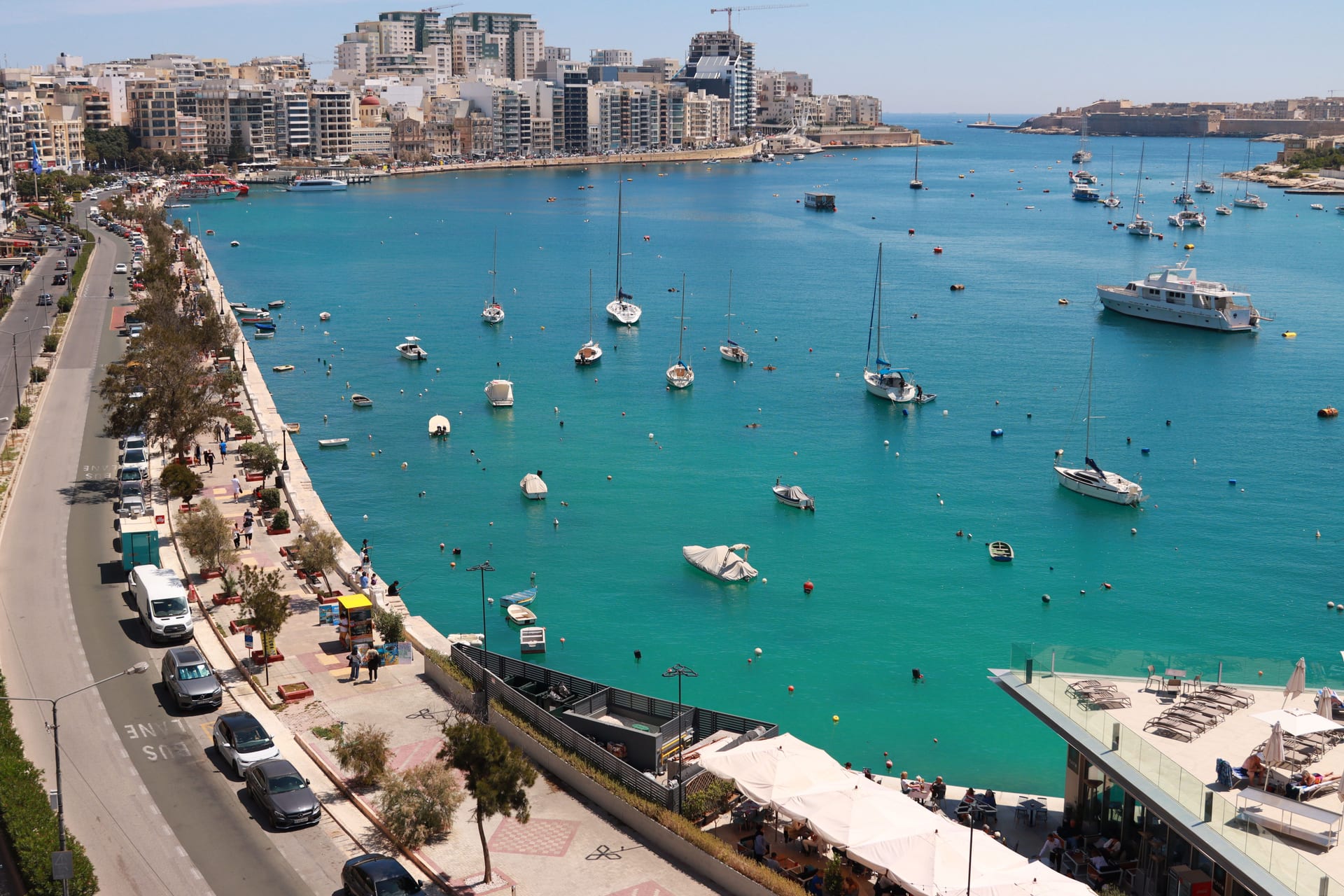
Sliema makes sense if
- Sliema suits someone prioritising cafes, English-language access and an international waterfront routine.
Sliema and Valletta share Malta's safe, English-speaking healthcare system; Valletta is cheaper and leads careers, culture and public life, while Sliema offers a more international waterfront routine.
The grey shape is all 283 cities; each row says whether lower or higher is better. Ratings out of 10 are our reviewed estimates; the rest is published data. How we measure
Set how much each area counts. The ranking updates as you go. Climate and values are left out because there is no better or worse there, only your taste.
Leads on city life; stands out for local culture and museums & events.
Narrowly best on nature & outdoors: 37 vs Valletta's 36; stands out for running & cycling routes and cycling infrastructure.
Scores out of 100, averaged from the areas you weighted. For a ranking built around your own situation, take the quiz.
Rent on a new lease, everyday prices and tax.
The year month by month. Whether it suits you is yours to judge.
Solid line: average daytime high. Dashed: night-time low. Point at the chart for any month; point at a city name to shade its range.
How easily you get to water, mountains and green space.
Getting around on foot, food, culture and the feel of the streets.
Crime, how safe people feel, and the care you would get.
Jobs, working culture, schools and raising kids.
Visas, language, paperwork and staying connected.
Where each city sits. There is no right end of these scales.
A compact, dense town built right up to the waterfront, walkable along its main streets and mixed enough that errands stay close. Apartments tend to be tight, and the pace leans busier than sleepy Valletta.
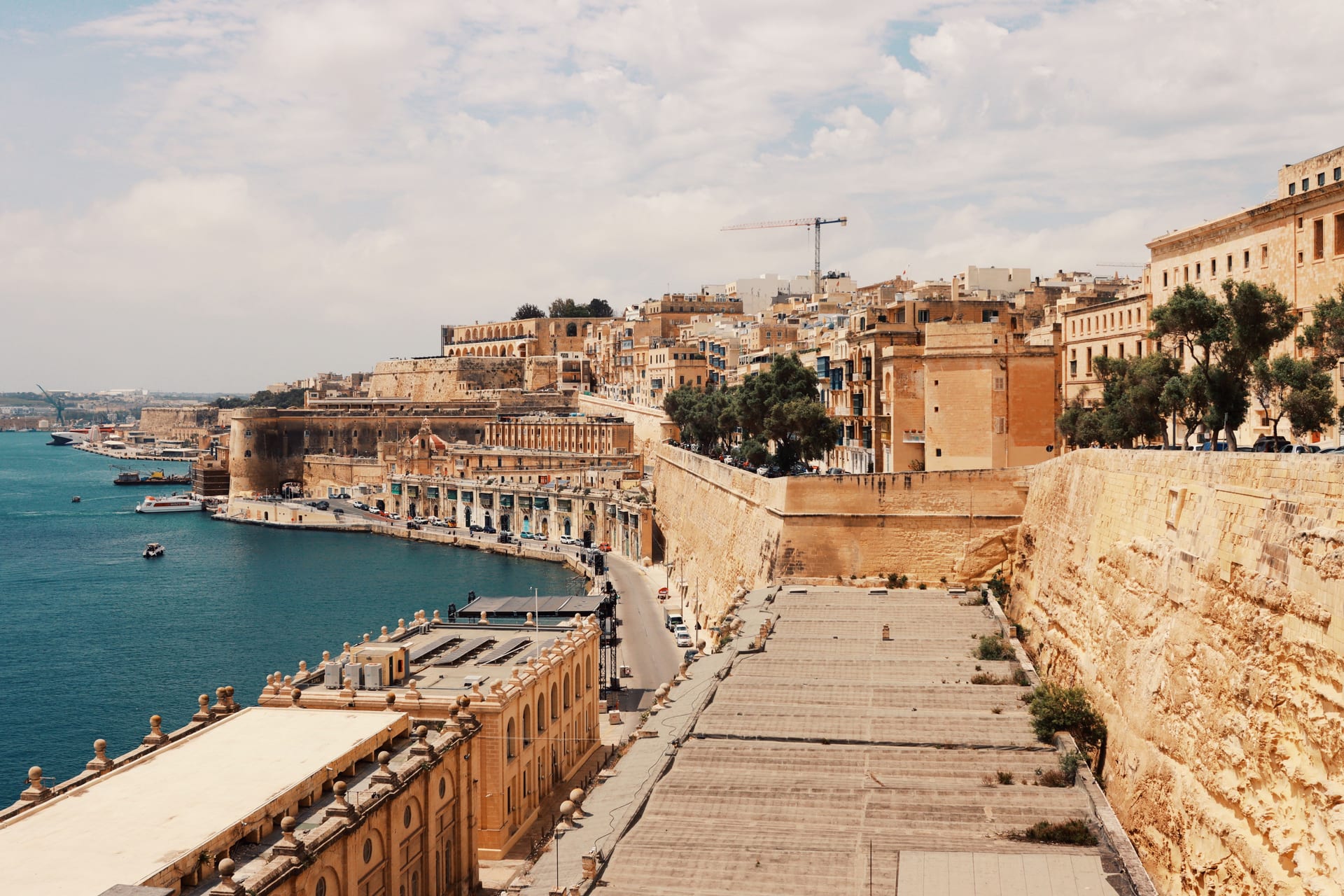
Valletta is tiny and dense, a walkable warren of grid streets, steps and shaded alleys where almost everything sits within a few minutes on foot. The wider conurbation around the Grand Harbour blurs town into town, so daily life often spills outside the capital proper.
Sliema is reassuringly safe, including after dark. Road safety is also a strength, leaving little day-to-day reason for personal security to dominate life.
Valletta feels safe day and night. Road safety is a quiet strength, so personal security rarely shapes daily decisions.
Sliema has a steady local market, with very low unemployment and strong access to English-language work. Solid public and private care with good doctor availability for its size, and emergency cover is reliable.
The local market is steady rather than expansive, with very low unemployment and strong access to English-language work. Malta's public system is solid and dependable, with decent hospital and doctor access for an island its size, though specialist depth is naturally more limited than on the mainland.
The lived culture is social and outward-facing, with strong cafe and nightlife scenes and a deeply international crowd. Sliema is a dense Maltese strip where construction dust and uneven upkeep are constants, and good public space is mostly the seafront promenade hemmed in by crowded sprawl.
For a place this small, the cultural offer punches above its footprint, with a long Mediterranean food tradition, lively cafes, decent nightlife and a busy calendar of events and museums in the historic core. Valletta is a restored baroque capital, its UNESCO core kept clean and the grand squares, bastions and harbour views making for handsome public space.
Choose Valletta for the stronger career score, heritage, museums and restored public squares. Sliema suits someone prioritising cafes, English-language access and an international waterfront routine.
These numbers treat everyone the same. The quiz weighs them by your budget, climate taste, family and work, and ranks all 283 cities for you.