
Living in Gothenburg
Sweden's second city is a working harbour city with a calmer scale than Stockholm, and the coast is close by. Typical local pay sits above the comparison-set middle, but the long dark season and 128 rainy-grey days give the weather real weight.
Gothenburg at a glance
Vital stats
Where Gothenburg stands out
The metrics where Gothenburg sits farthest from the middle worldwide, good and bad.
Cheap to arrive, expensive to stay?
A typical one-bedroom in Gothenburg runs SEK 10,612/mo. That is ~35% of one typical local employee’s mean net pay. This is a solo-newcomer stress test: sitting tenants, shared homes, subsidised housing and informal rents are deliberately outside the numerator.
The fastest way to test a shortlist is to go. A week on the ground tells you things no ranking can.
Partner link
Approved language-learning and international money resources for practical next steps.
Daily life in Gothenburg
How Gothenburg scores
Category by category
Affordability
65/100Gothenburg's open-market one-bedroom rent on a new lease is about SEK 10,612 per month. That is roughly 35% of one typical employee's mean net pay, a rent burden labelled tight alone.
Climate
wet & greyCool summers and damp winters set the tone. With about 128 rainy-grey days and very little winter brightness, the sky can wear people down, even though muggy heat is uncommon and the air is exceptionally clean. Severe weather is rarely a practical worry.
Nature access
coastalWater defines the place. The coast, the lakes, and the archipelago of rocky islands off the harbour are all close, and forest trails sit within easy reach for weekends. Parks are plentiful and the surrounding landscape rewards anyone who hikes, cycles, or swims. What it does not have is mountains, so alpine days mean travelling further afield.
Urban form
mid-sizedCompact and low-slung, Gothenburg feels more like a large town than a metropolis, smaller and quieter than Stockholm. The centre is walkable, neighbourhoods are well kept, and the pace is slow, so this suits people who want calm over intensity. Density is modest and you rarely feel hemmed in, though housing inside the city can run tight on space.
Public life & spaces
78/100Gothenburg is a clean, well-kept Swedish city with only minor grit. Its public spaces hold up nicely: the broad Avenyn, the canals, the harbour and the leafy Slottsskogen. Free parks and events brighten the calendar, though expensive Sweden is the honest brake on how much daily life stays genuinely cheap.
Safety
78/100Among the safer cities a relocator could pick. Violent crime is rare, traffic is calmly managed and unusually safe by European standards, and walking around at night feels comfortable in most areas. Sweden's wider stability holds firm. Ordinary big-city petty crime exists but stays well within the range residents take in stride.
Healthcare
76/100Care quality is high and the system runs reliably, with strong emergency services and low out-of-pocket exposure once a person is in it. Crucially for newcomers, healthcare staff speak excellent English, which removes a lot of early stress. The main friction is that getting a regular doctor's appointment can mean waiting, a familiar Nordic bottleneck.
Family life
79/100This is one of Gothenburg's standout strengths. Parental leave and childcare are about as generous and accessible as anywhere in the world, schools are solid, and the surrounding culture genuinely prizes work-life balance and time spent outdoors with kids. Child safety is excellent. Finding the right family-sized home is the one piece that takes effort.
Career
70/100Gothenburg offers a substantial professional market, with industry and technology providing a solid base. Remote work is accessible and typical employee pay is above the comparison-set middle, but unemployment is high enough that finding a role may take longer than the city's economic depth suggests. English-language work exists, though it is not the whole market.
Culture & food
75/100The food scene punches above the city's size, with strong restaurants, a serious cafe culture, and plenty of vegan and vegetarian options. There is a distinct local identity, often described as friendlier and more down-to-earth than Stockholm. Nightlife is fairly low-key, and the international crowd is smaller than in bigger European hubs.
Ease of integration
67/100Swedish is the daily language, but English goes a long way and most locals switch to it without hesitation, so the practical language barrier is low. The harder part is social: Swedes can be reserved and slow to open up, and the international community is on the smaller side, so building close local friendships takes patience. The values are secular, liberal, and high-trust.
Connectivity
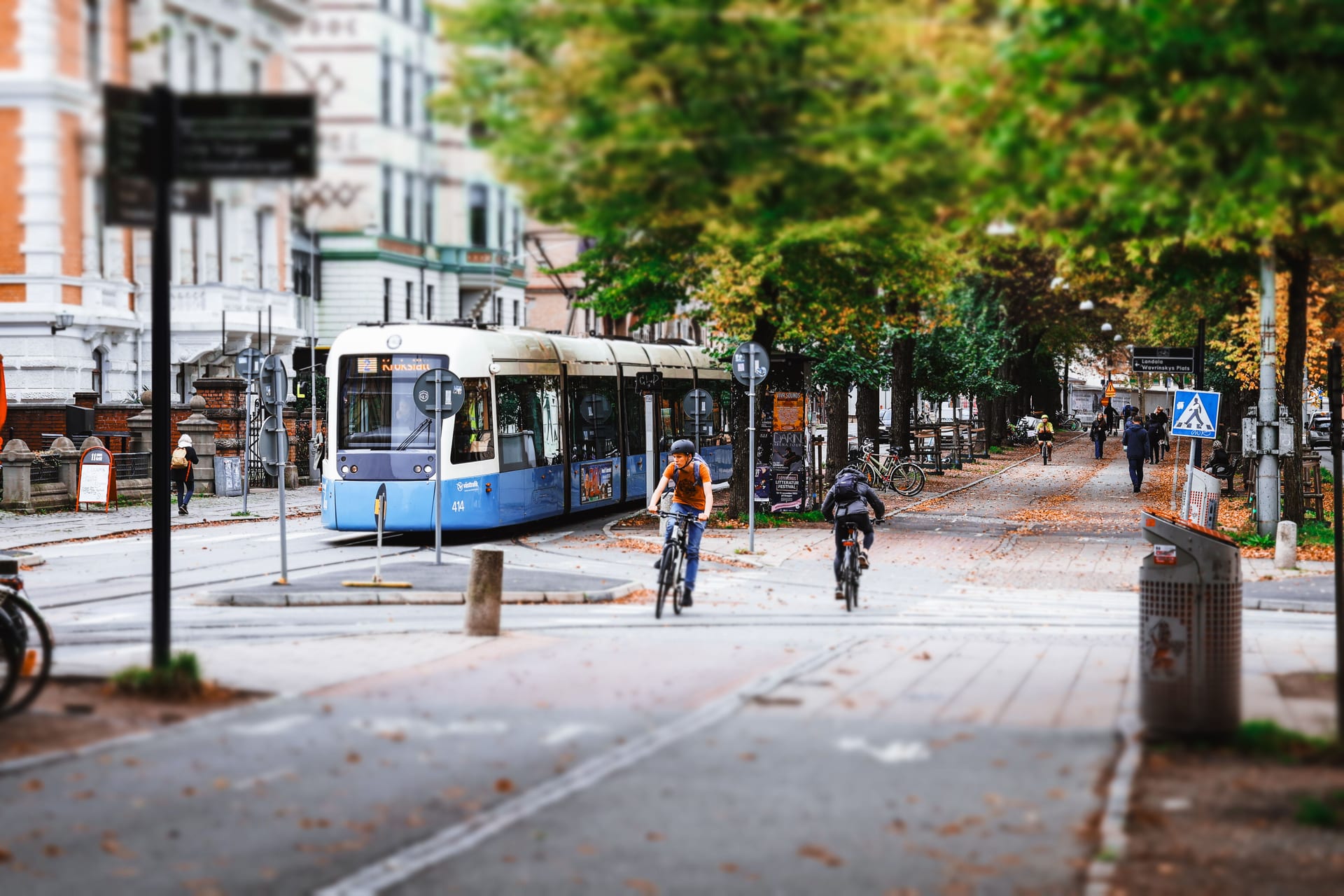
72/100Trams and buses cover the city well, cycling is well provided for, and the roads stay relatively uncongested for a place this size. Digital services and utilities are dependable, and dealing with public administration is largely paperless and efficient. The one gap is the airport, which is more limited for long-haul connections than a capital's.
Social values
progressiveFirmly progressive and secular, with strong gender equality, LGBTQ acceptance, and a high-trust, orderly public culture. Traditionalism carries little weight in everyday life. The city is diverse and broadly international in outlook, though openness to newcomers reads as polite and reserved rather than warmly effusive, which some arrivals find takes adjusting to.
Relocation ease
57/100For EU arrivals the practical path is fairly smooth, with manageable bureaucracy, efficient digital admin, and a language barrier that English largely dissolves. The genuine pain point is housing: the rental market is tight and competitive, and finding a place can be the most frustrating part of the move. Cultural adjustment is moderate, and banking setup takes a little persistence.
The trade-offs
A year in Gothenburg
Jun peaks around 21°C, Dec days top out near 3°C, and the year brings roughly 152 bright days.
Can you actually move here?
The hard limits people most often bring to a move, scored against Gothenburg's data.
Moving with a pet
Bringing a pet to Sweden is straightforward, on a par with the easier moves into the Nordics. Standard EU rules apply for cats and dogs, and the city itself is dog-friendly with abundant green space, so most owners find the process low-stress.
Who Gothenburg works for
Answer the questionnaire and see where Gothenburg lands for you.
Take the free questionnaireWhere else to look
Gothenburg vs. comparable cities

Objective scores (0–100) for Gothenburg and its 4 nearest comparable cities.
The cities people weigh against Gothenburg
Unexpected siblings
Far from Gothenburg on the map, close across all 14 categories of daily life.

