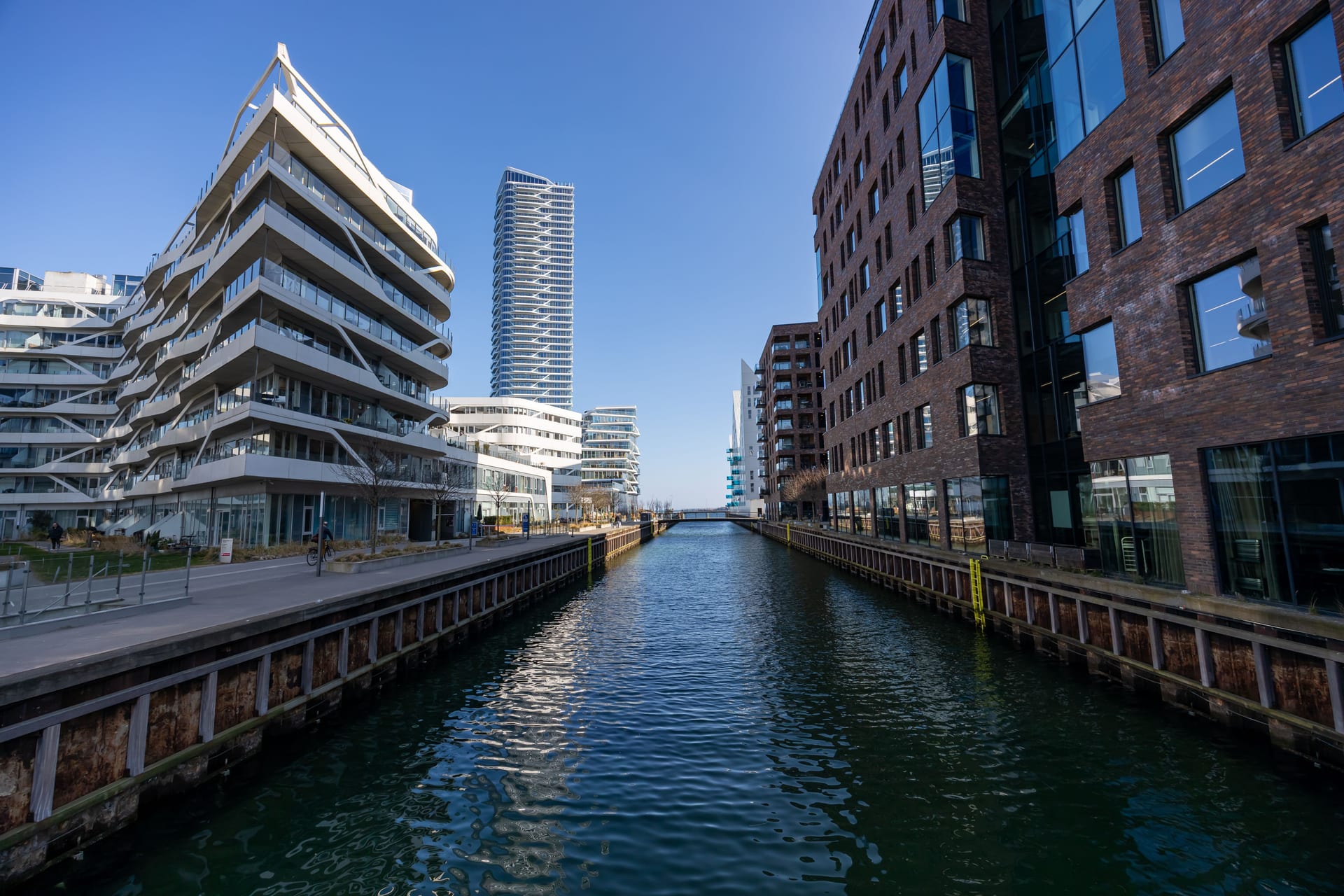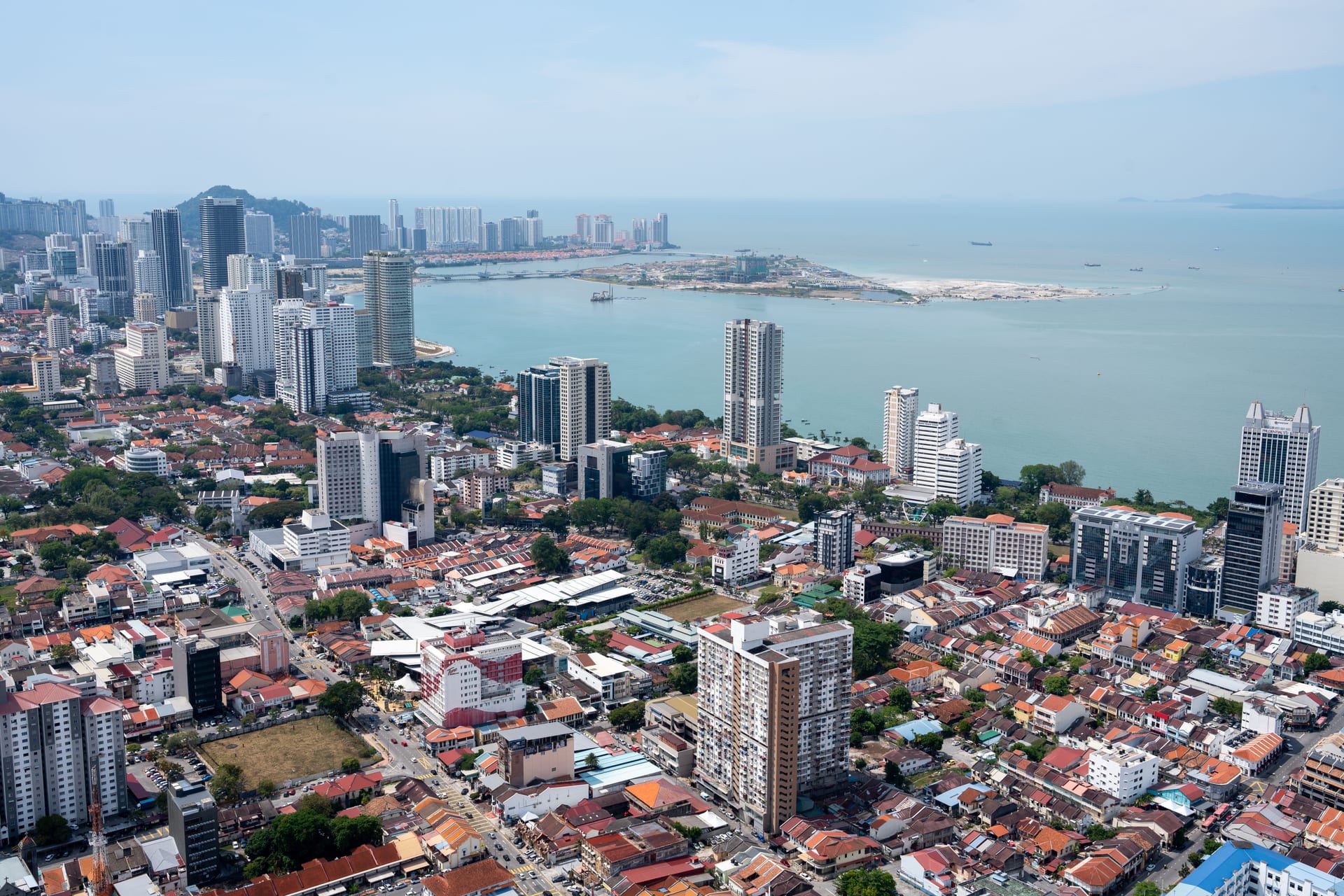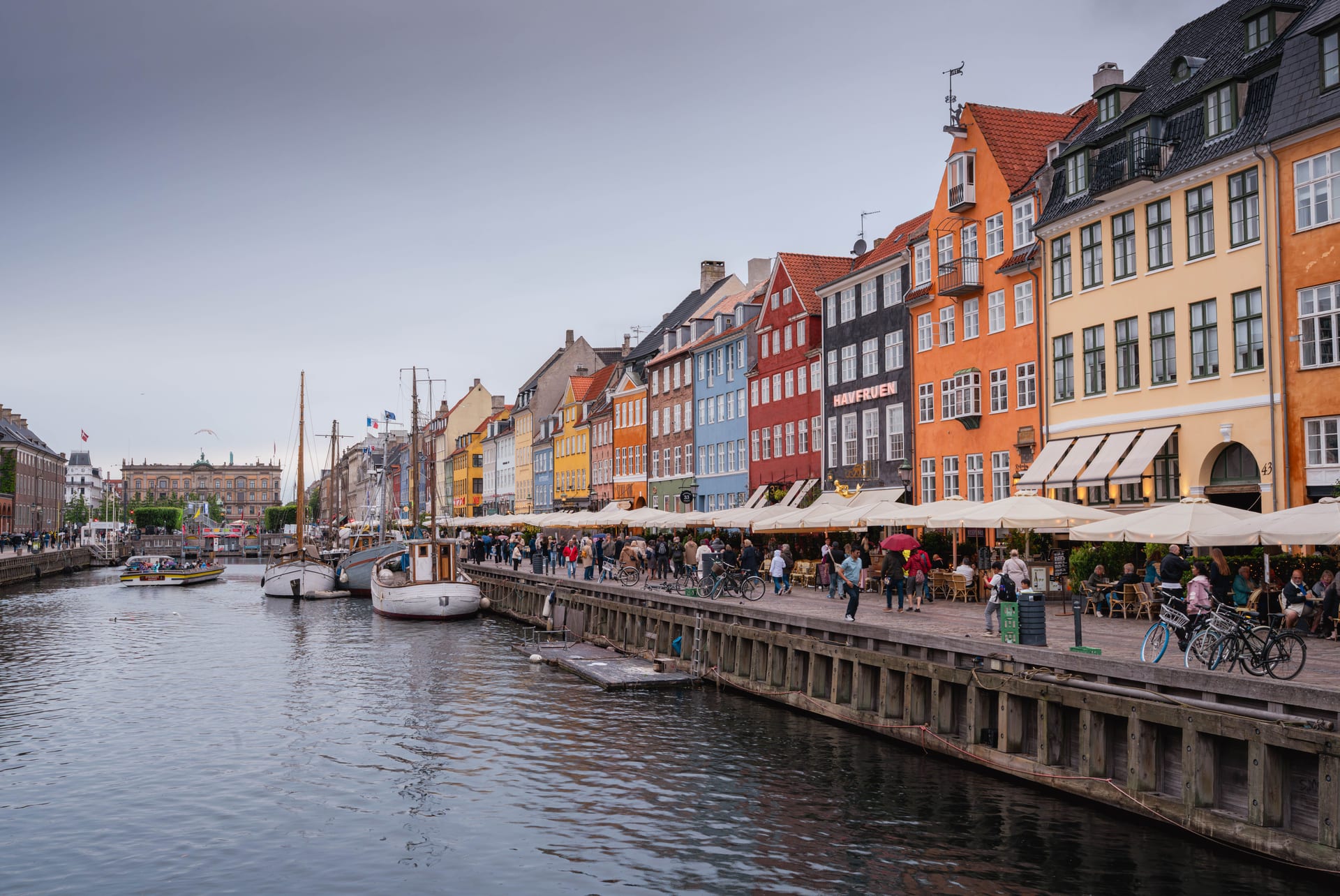
Copenhagen makes ordinary life unusually easy: neighbourhood streets are clean and active, the harbour and parks are part of daily life, and cycling and transit remove most of the friction of getting around. The trade-off is cost.
When people ask for the best cities in the world, they usually mean: where would I actually enjoy living for years? This list looks at getting around, feeling safe, finding good care, spending time outside and having a life beyond work.
At no extra cost to you, we may earn a commission when you buy through affiliate links on this page.

Copenhagen makes ordinary life unusually easy: neighbourhood streets are clean and active, the harbour and parks are part of daily life, and cycling and transit remove most of the friction of getting around. The trade-off is cost.

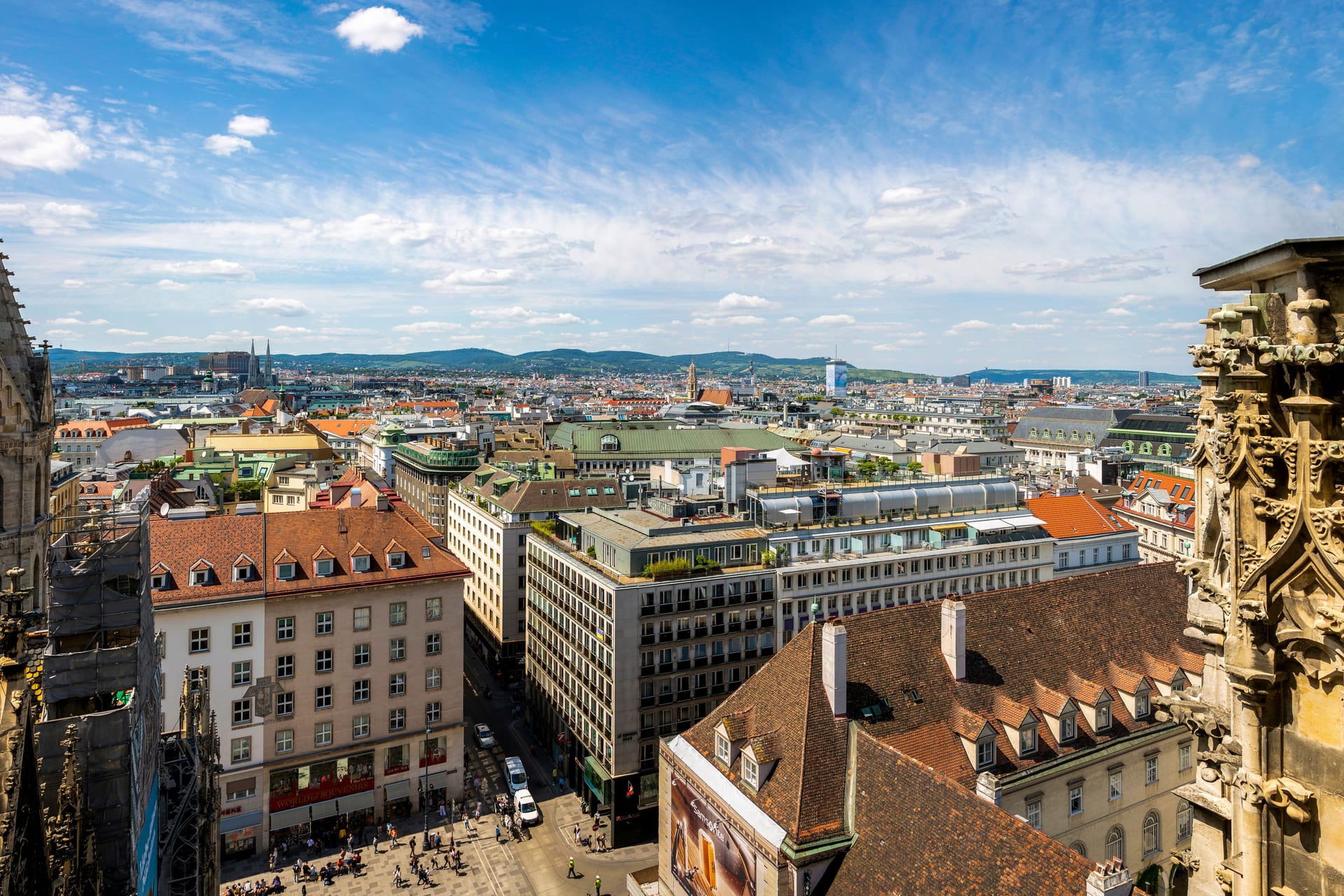
Vienna pairs grand cultural life with a city that works at neighbourhood scale. Trams, parks, cafés and excellent public services make it easy to build a routine without a car, and housing is less punishing than in many peer capitals.

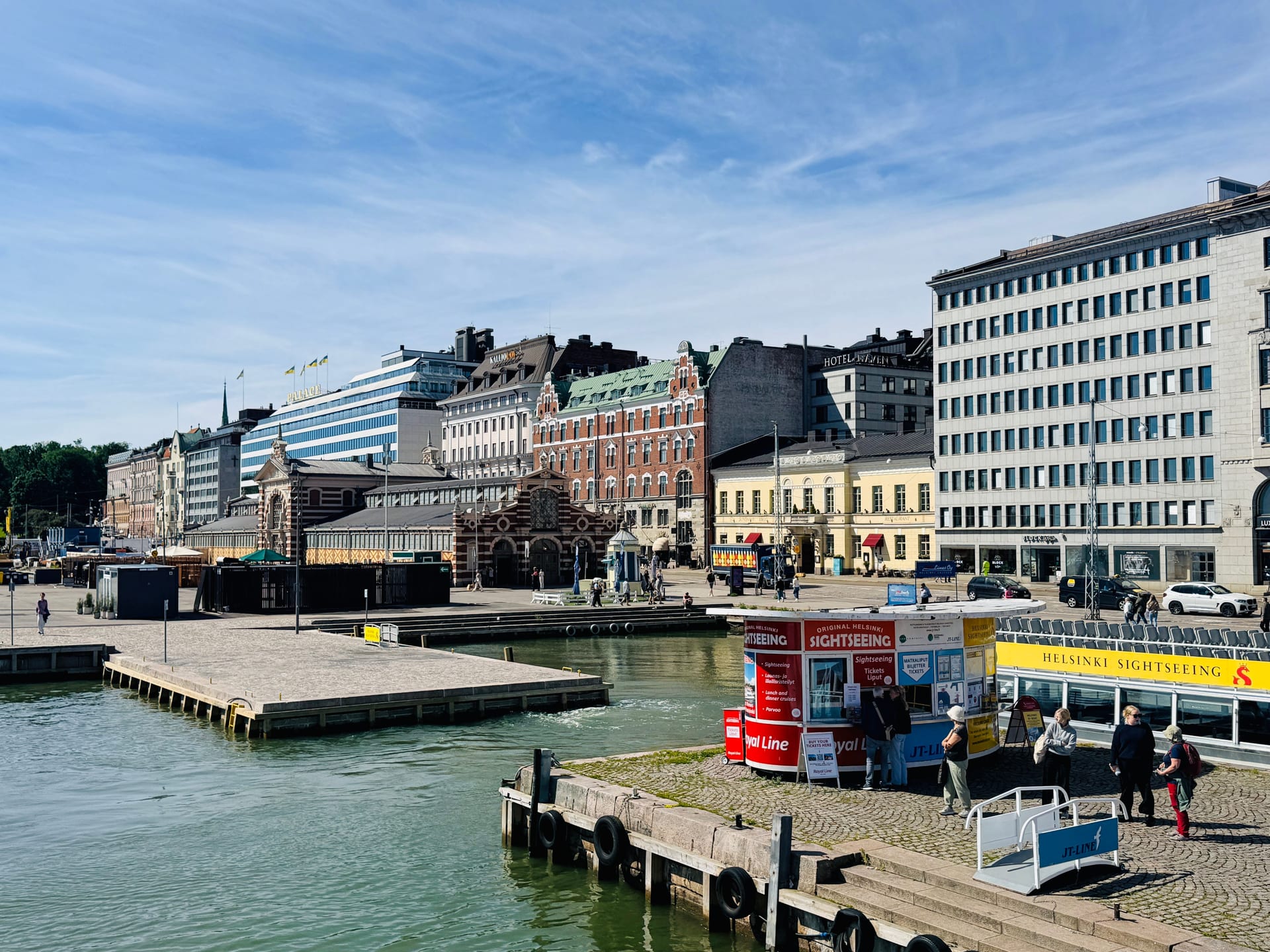
Helsinki combines dependable public systems with a calm, spacious city life. The waterfront, islands and forests are close enough to use on a normal week, while libraries, saunas and public spaces give the city substance beyond work.

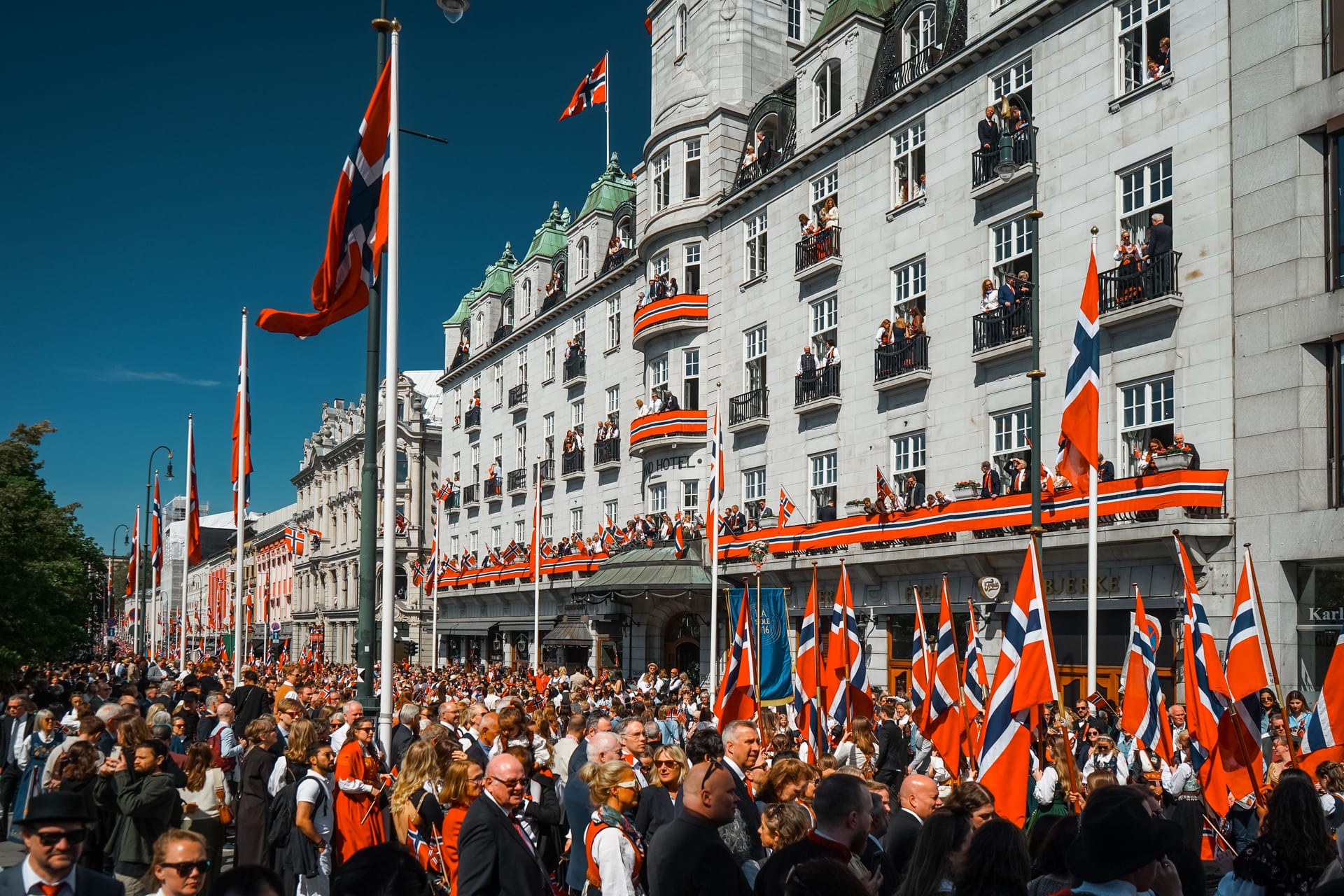
Oslo earns its place through the quality of the ordinary day: clean neighbourhoods, excellent transit, a safe public realm and the fjord or forest within easy reach. It feels unusually complete for a capital.

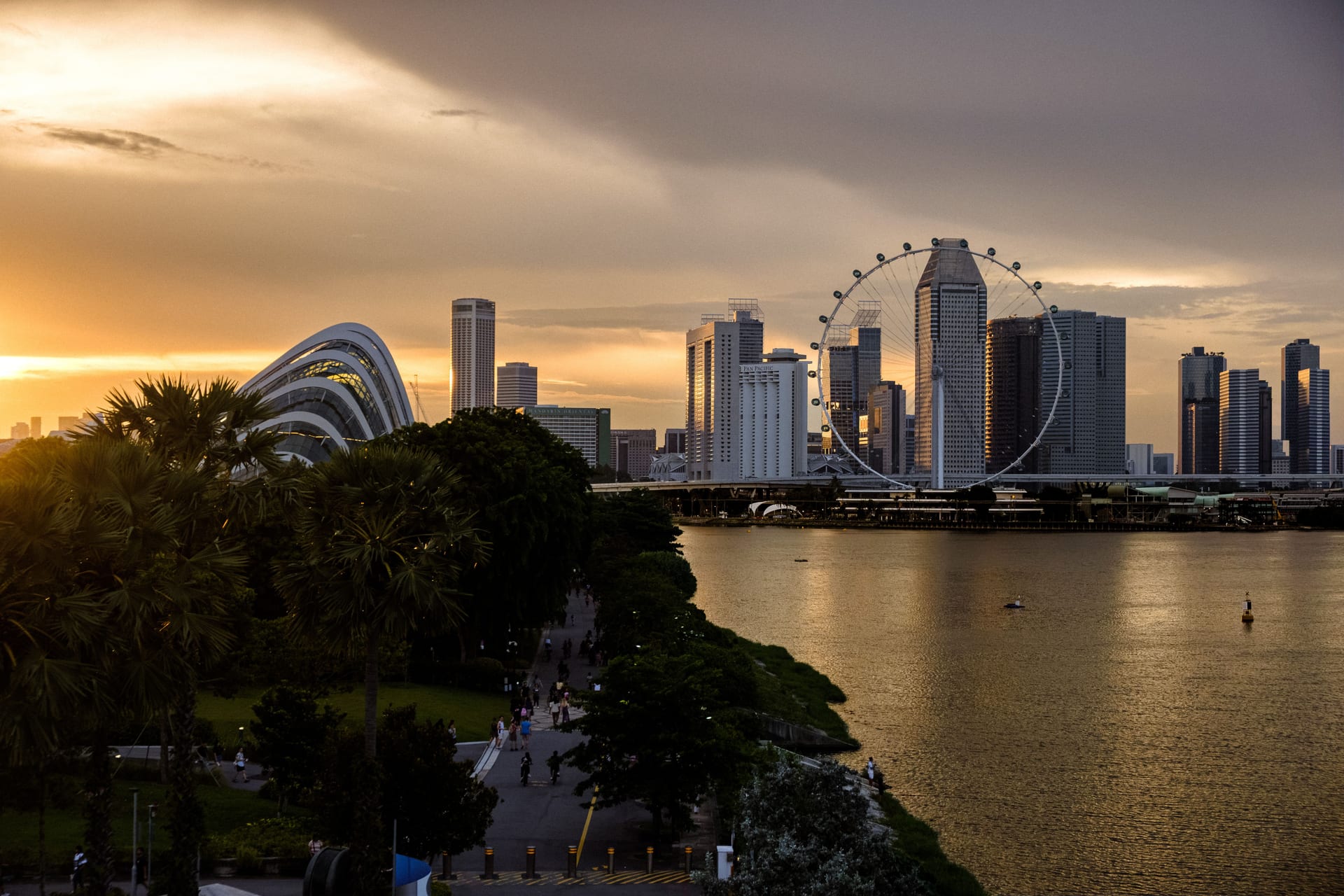
Singapore is one of the few huge cities where the machinery works almost without drama: safe streets, rapid transit, reliable public services and a deep food culture at every price. Greenery is everywhere, even in dense districts.

Aarhus offers the Danish strengths without Copenhagen’s scale: safe streets, practical transit, a lively compact centre and water close to everyday life. It is large enough for culture and jobs without making errands feel like a project.

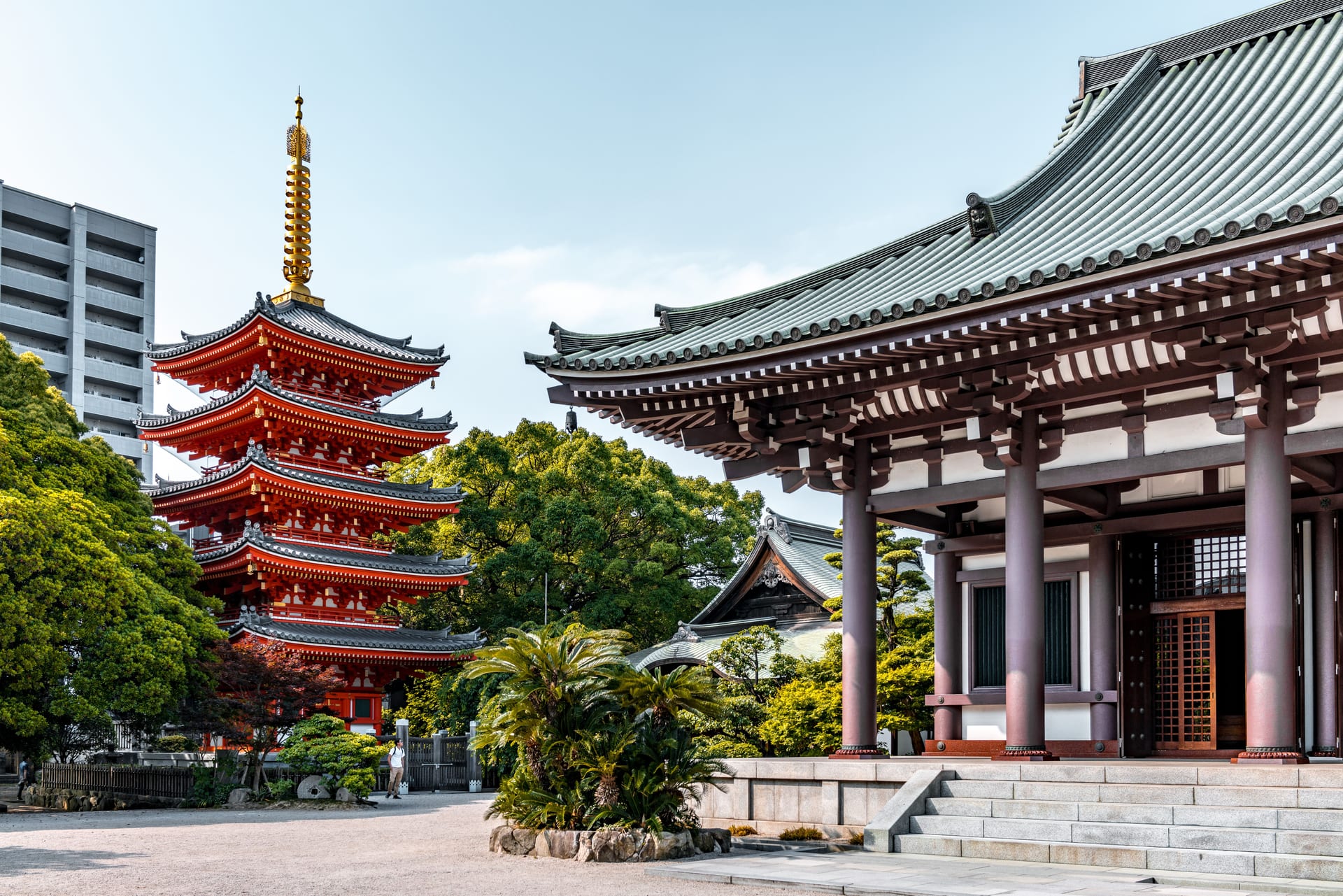
Fukuoka is compact, safe and unusually easy to move through, with a strong food culture, an airport close to the centre and calm neighbourhood life. It offers a more relaxed version of Japanese urban quality than Tokyo.

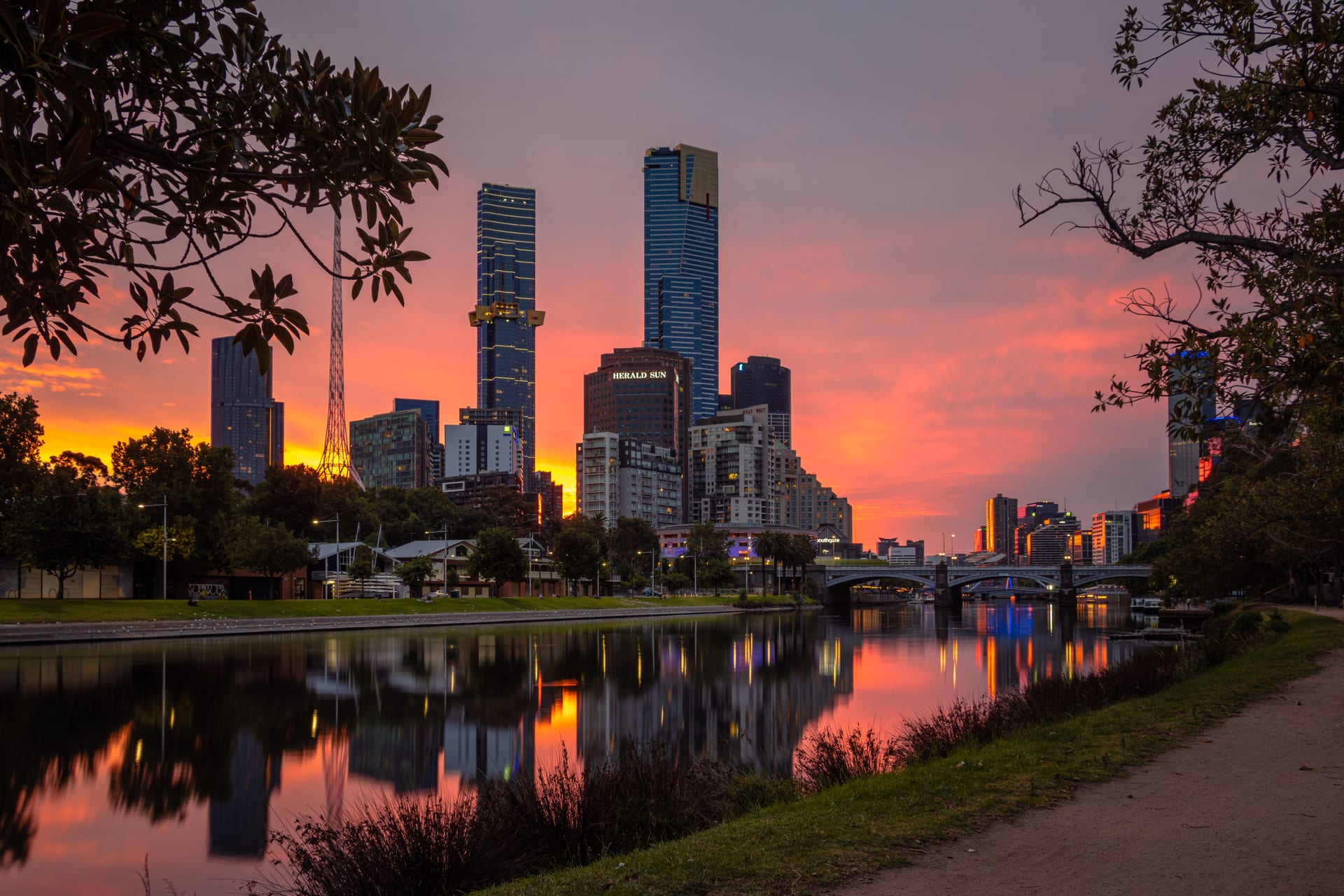
Melbourne’s appeal is not one landmark but a durable daily rhythm: trams, parks, laneways, cafés, sport and a cultural calendar that reaches well beyond the centre. The city has room to breathe without losing urban energy.

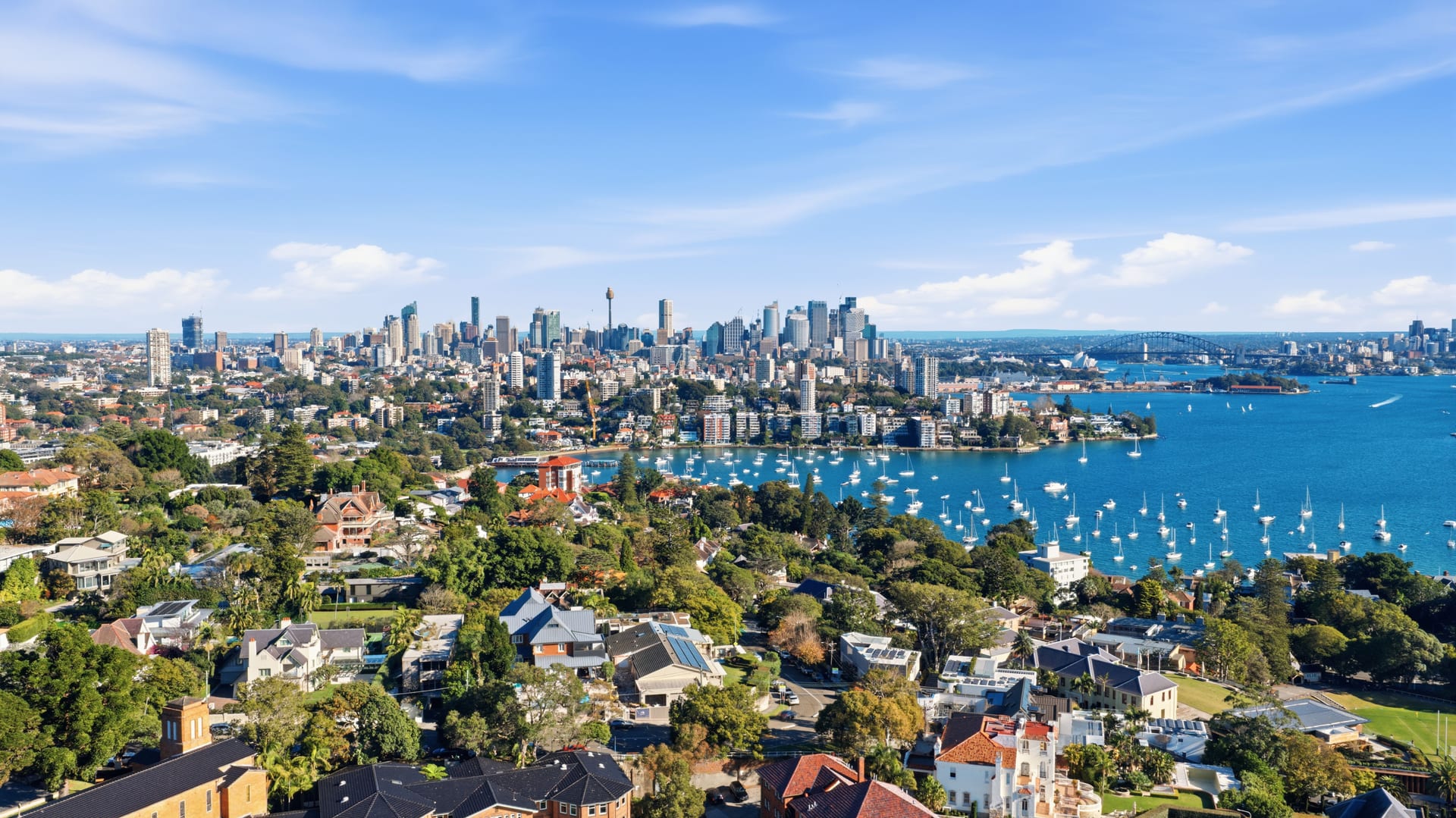
Sydney turns its harbour, beaches and coastal walks into a real public realm rather than a tourist backdrop. Strong healthcare, safe neighbourhoods and an active food and café culture make the city feel easy to use.

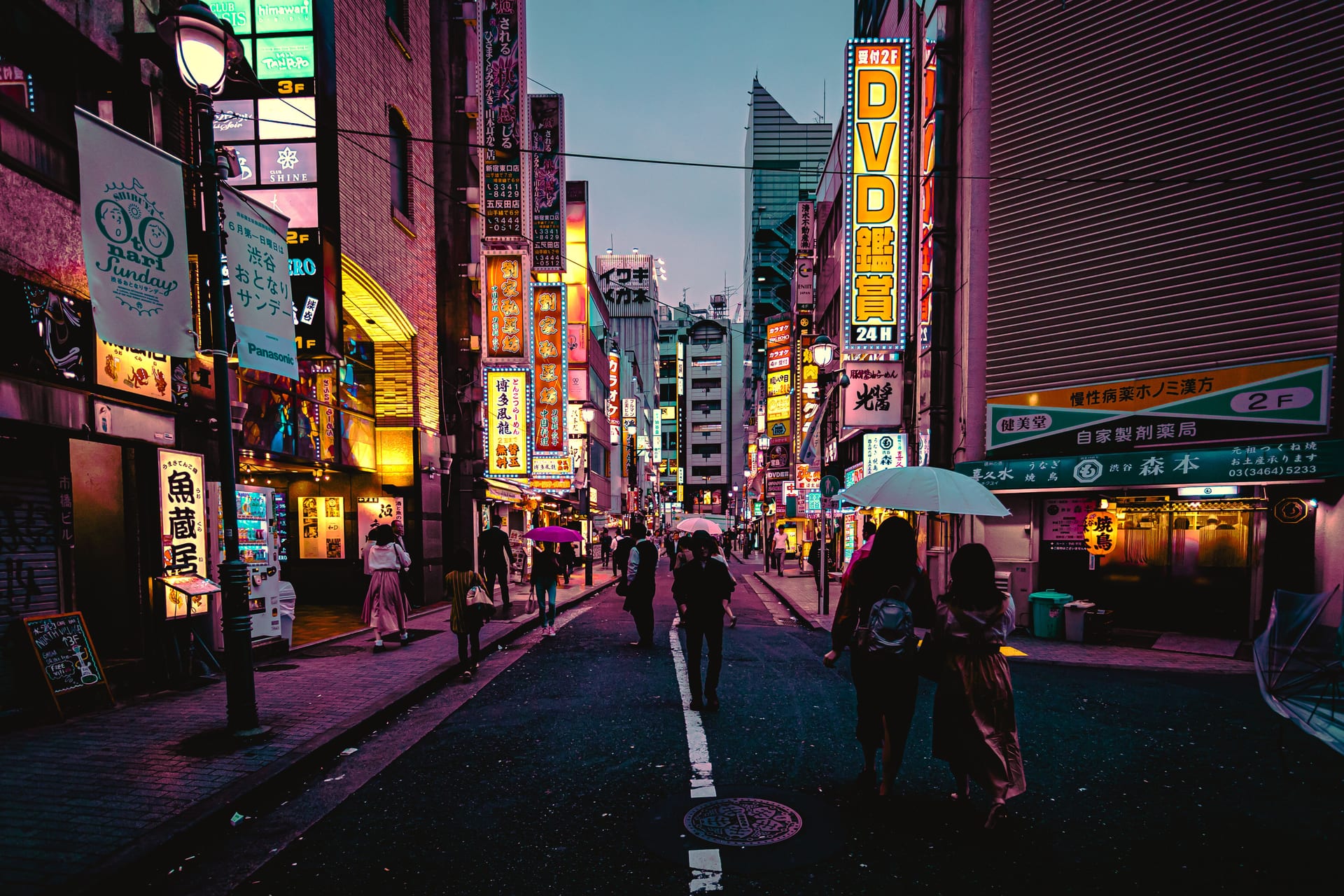
Tokyo remains extraordinary for the quality of everyday urban life: safe streets, punctual transit, clean neighbourhoods and inexpensive meals at almost any hour. Each district has enough shops, parks and ritual to feel self-contained.

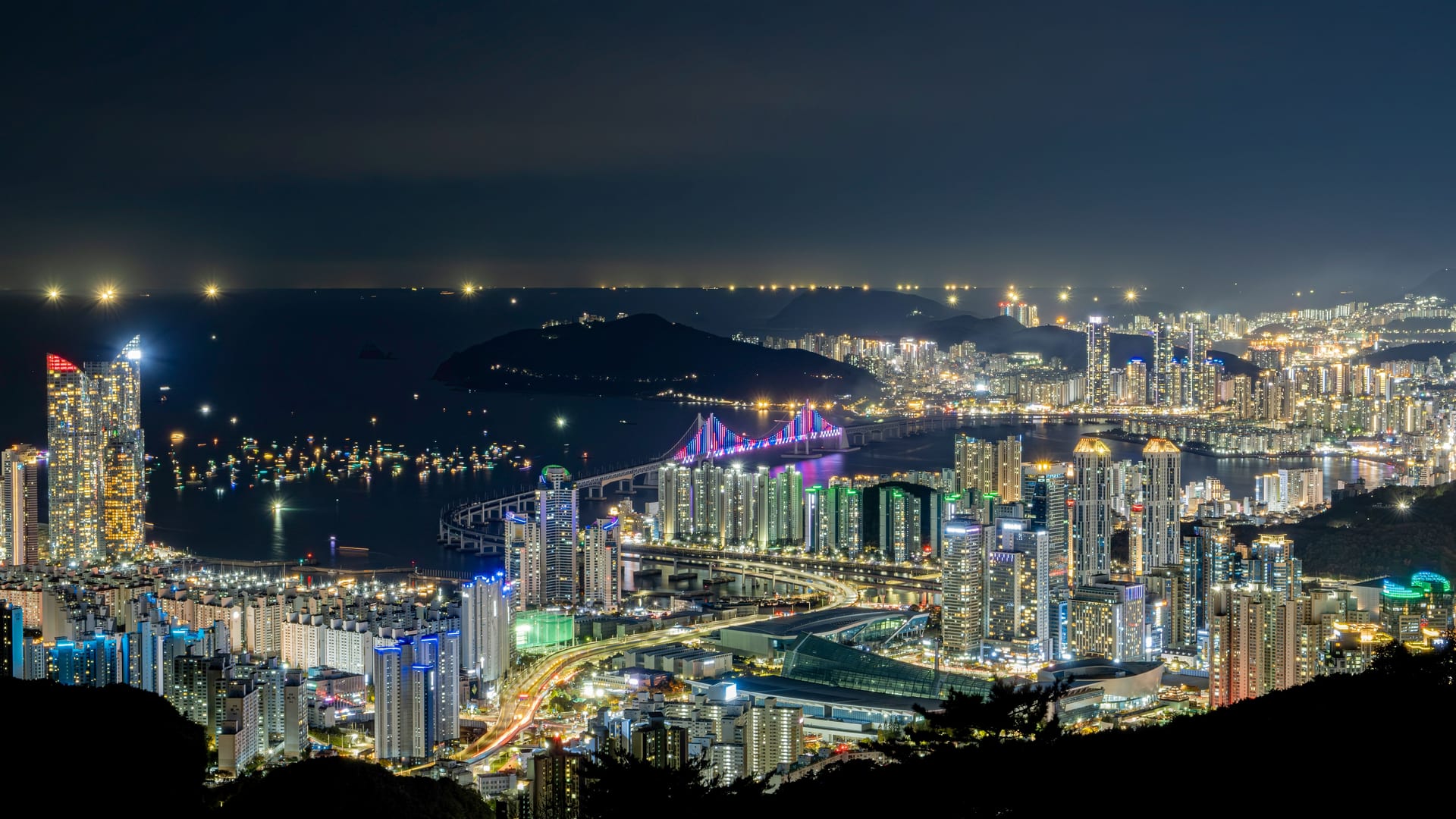
Busan combines the practical strengths of Korean city life with a setting Seoul cannot match: beaches, hills and harbour views sit beside a fast, compact urban core. Streets are safe and daily food is excellent.

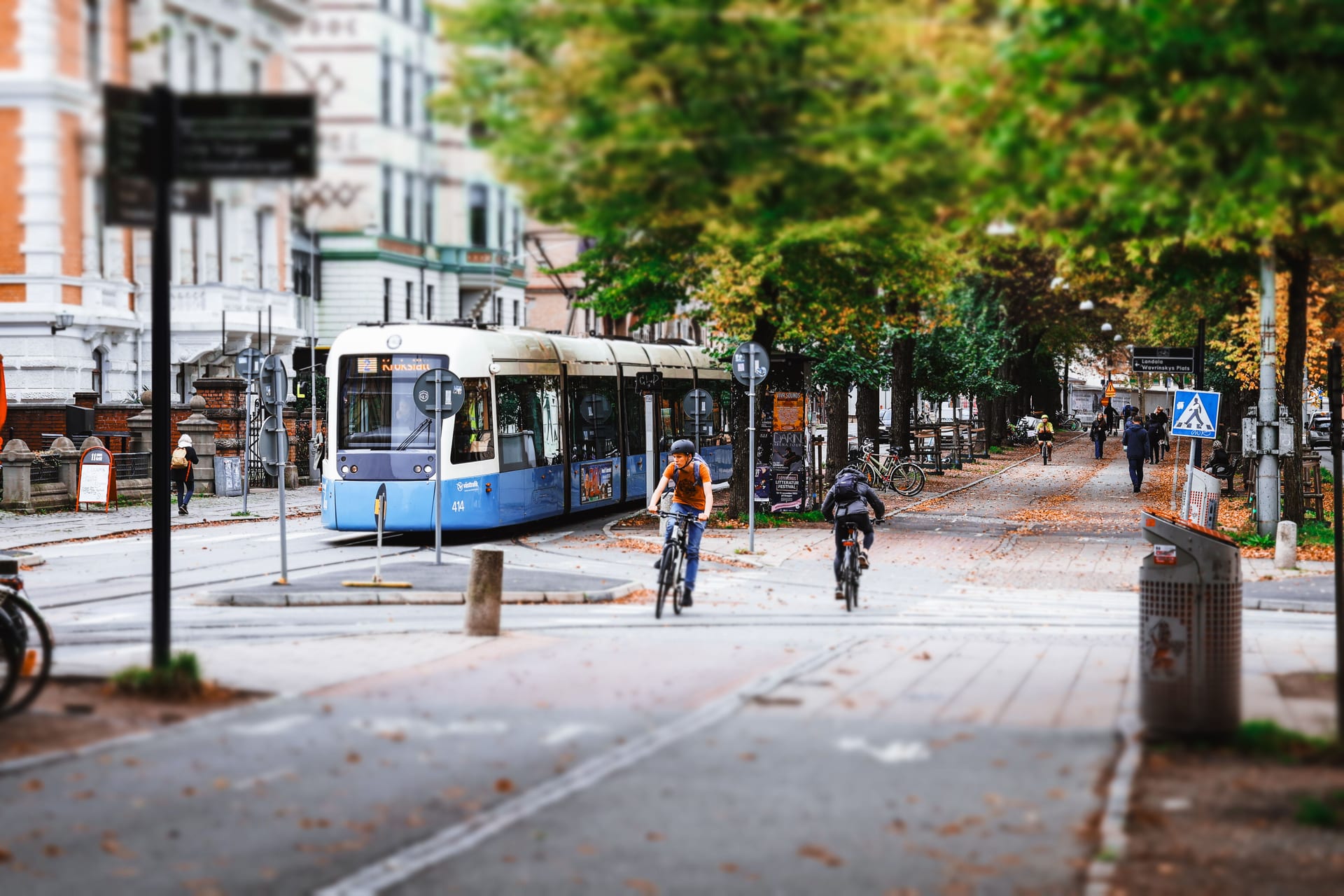
Gothenburg has a grounded quality that larger Nordic capitals can lose: reliable trams, green neighbourhoods, a working harbour and easy access to islands and forests. It is social without being frantic.

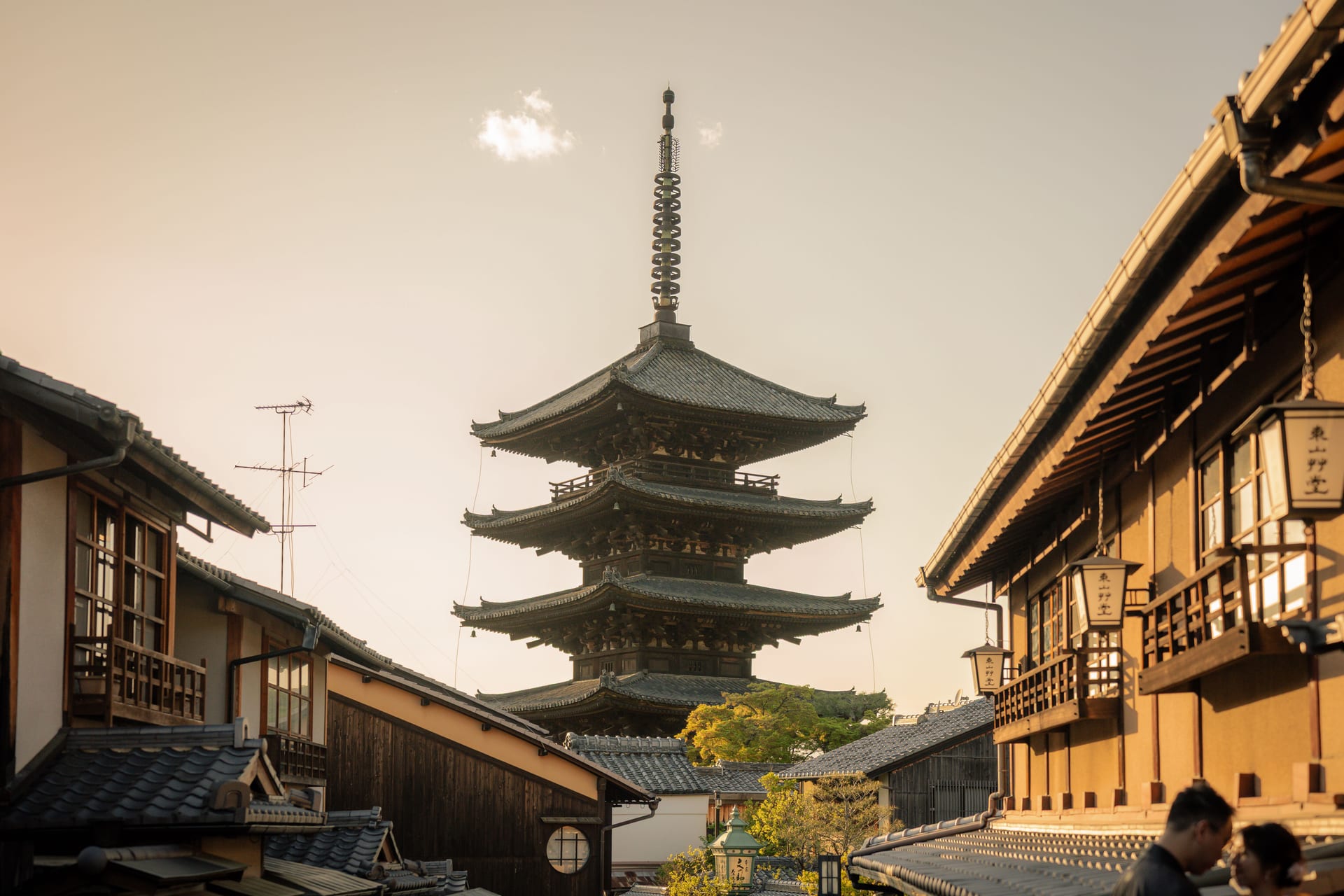
Kyoto offers a rare mix of safe, walkable neighbourhoods, superb food and public spaces shaped by rivers, temples and gardens. Its cultural depth is not a weekend activity; it defines daily life.

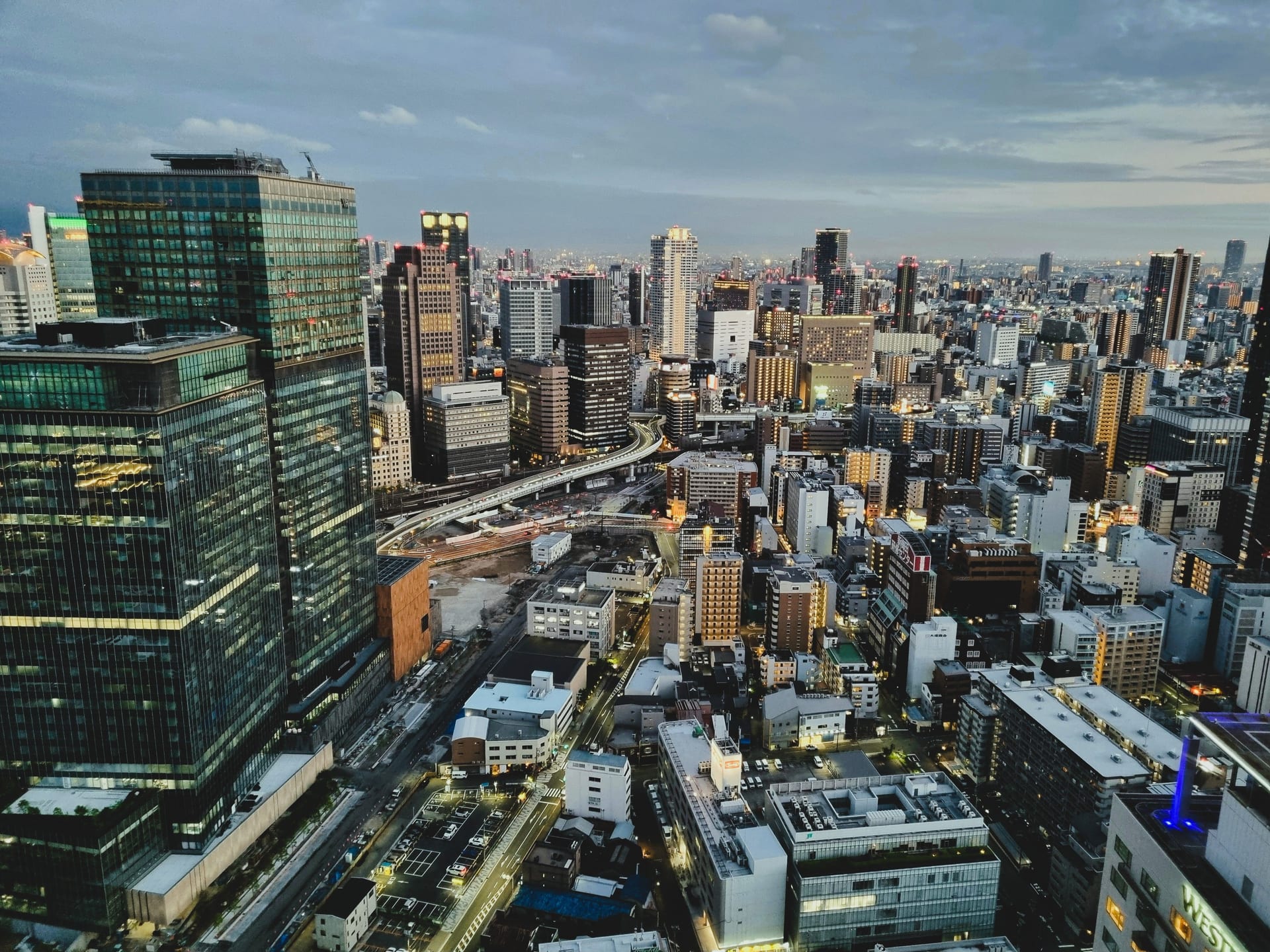
Osaka is dense in the useful things: rail, restaurants, shops, hospitals and lived-in streets that stay active late. It has Tokyo’s practical competence with a looser, more direct social energy and lower housing costs.

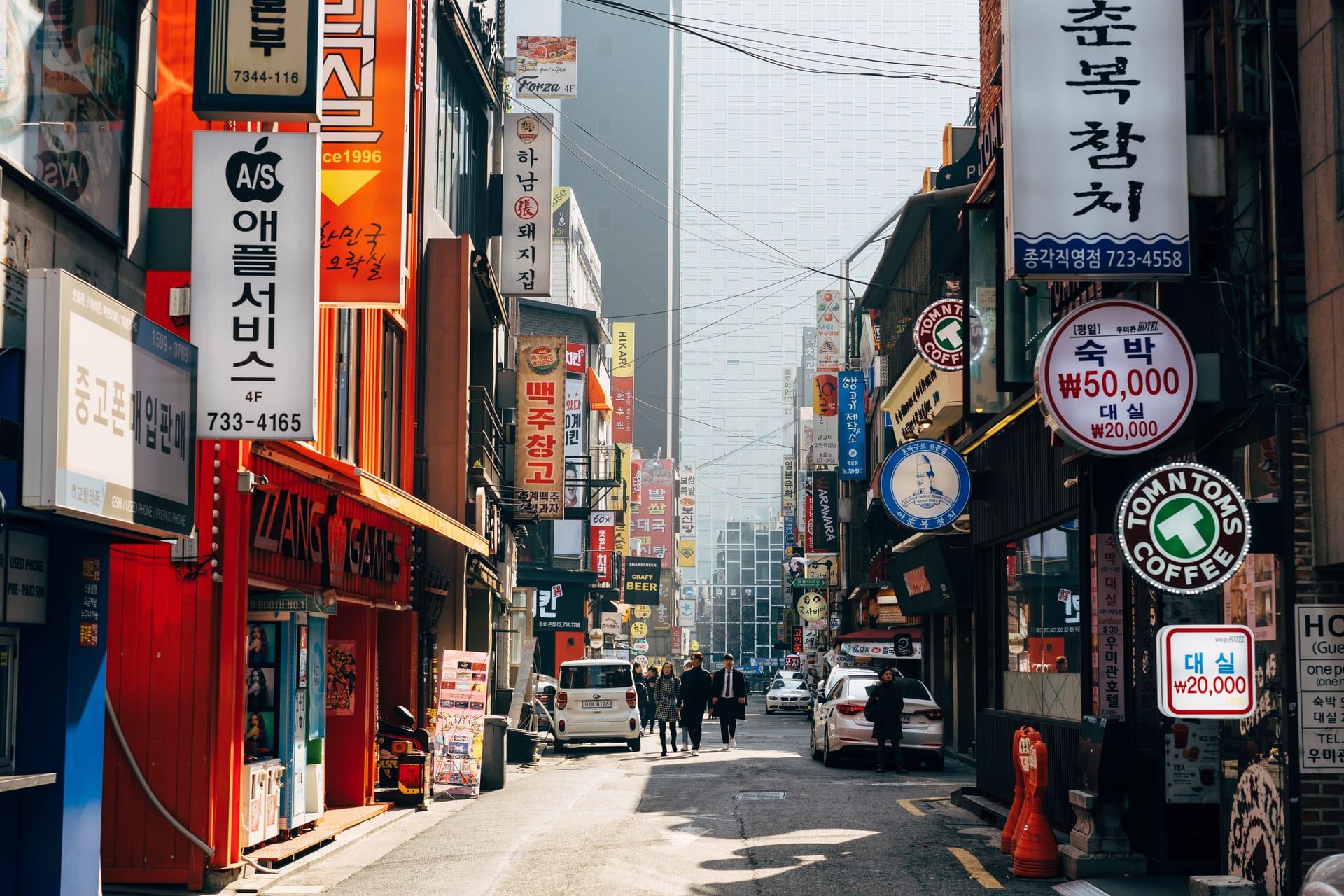
Seoul delivers a remarkably complete urban life: safe late-night streets, fast transit, serious healthcare, strong universities and a cultural scene that never feels thin. Mountains and river parks are woven into the city.

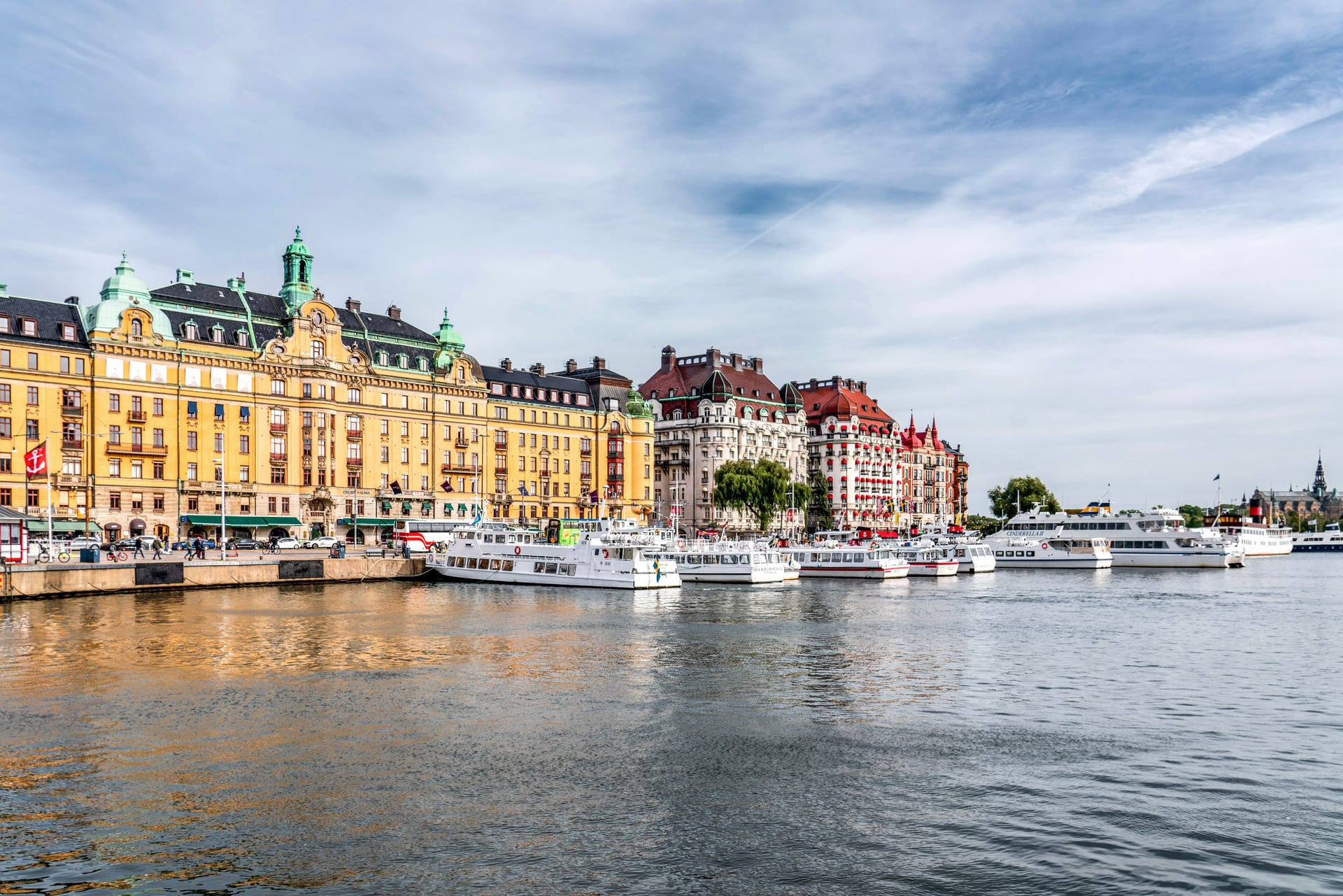
Stockholm makes water and green space part of city life without giving up cultural depth, safe streets or reliable transit. Islands, parks and neighbourhood centres keep the capital from feeling hard-edged.

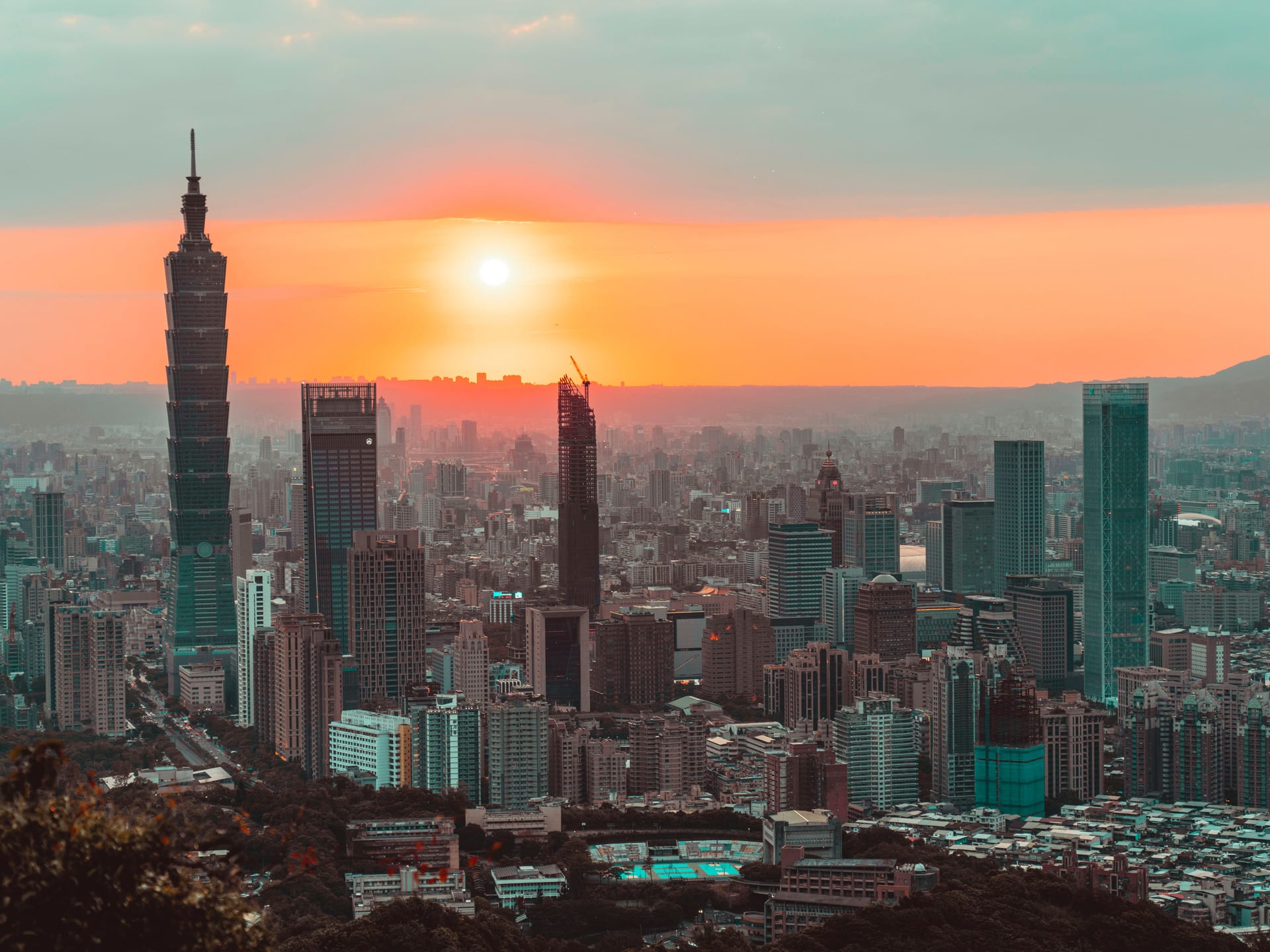
Taipei is exceptionally easy to live in day to day: the MRT is clean and dependable, food is everywhere, mountains are close and solo movement feels safe at any hour. Healthcare and education are strong without a giant-city price tag.

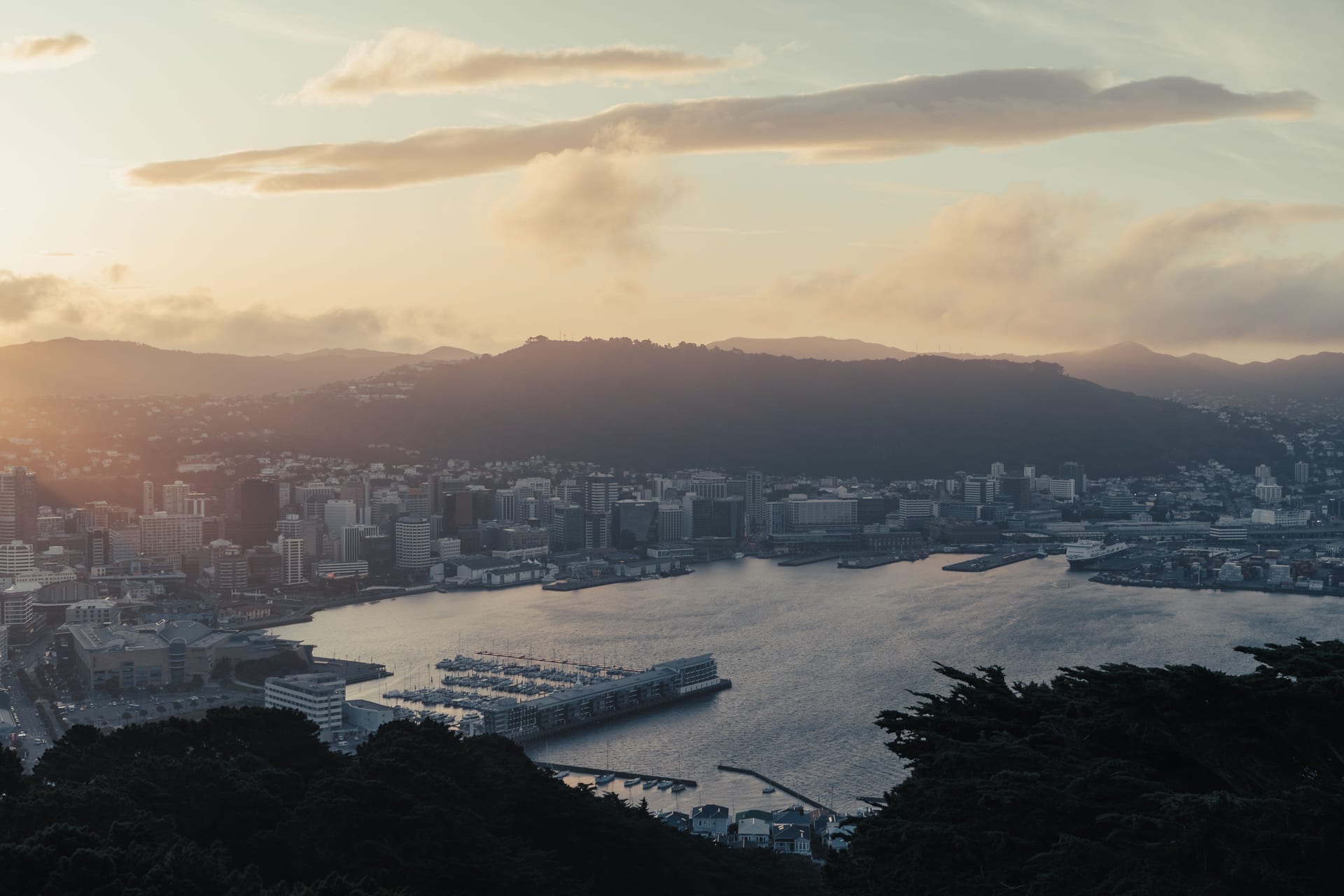
Wellington’s scale is its advantage. The waterfront, hills, cafés, galleries and government core sit close together, so a rich city life fits into a small radius.

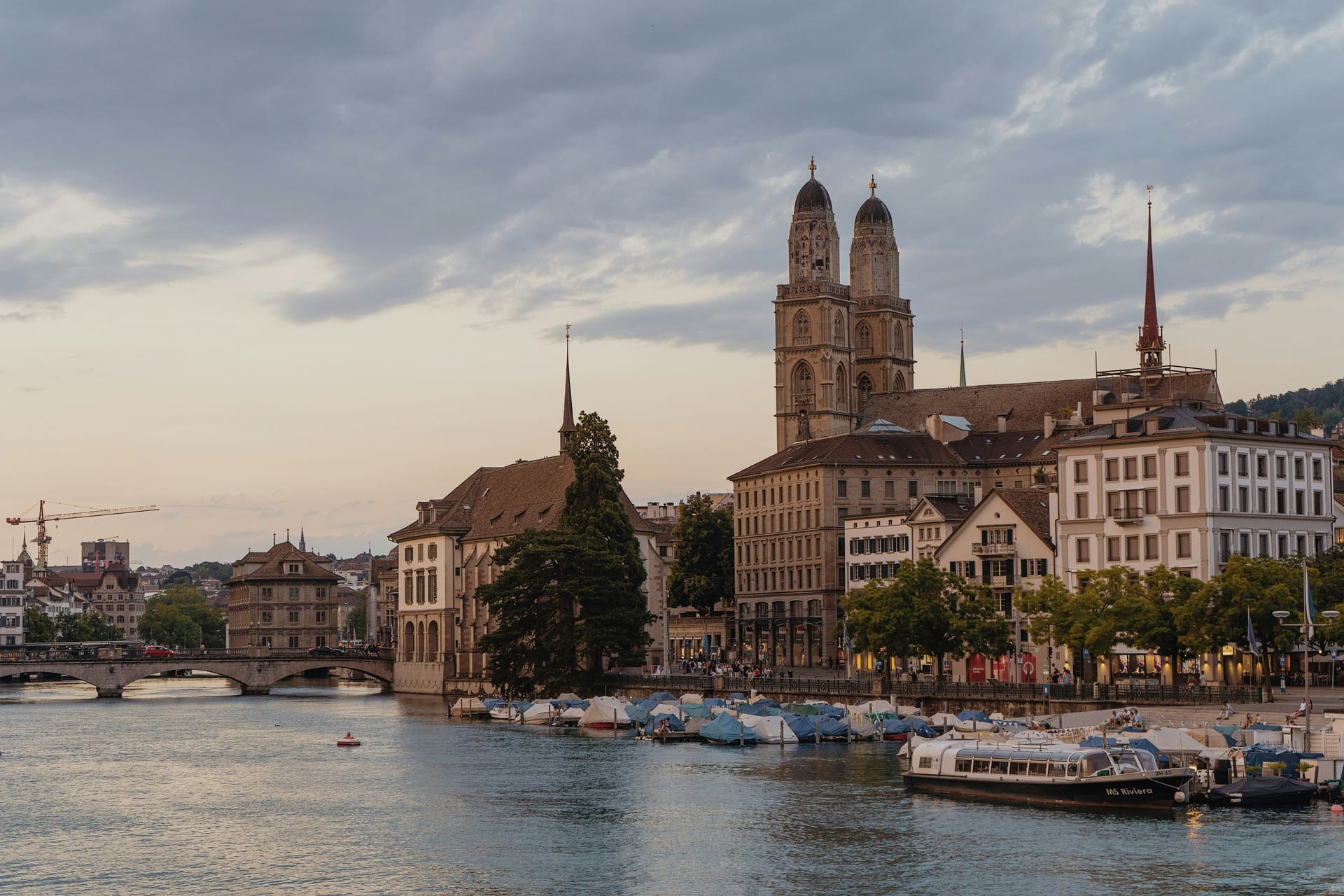
Zürich is one of the easiest cities in the world to operate in: trams run on time, public space is clean, the lake is central to summer life and healthcare is excellent. It is polished without being sterile.

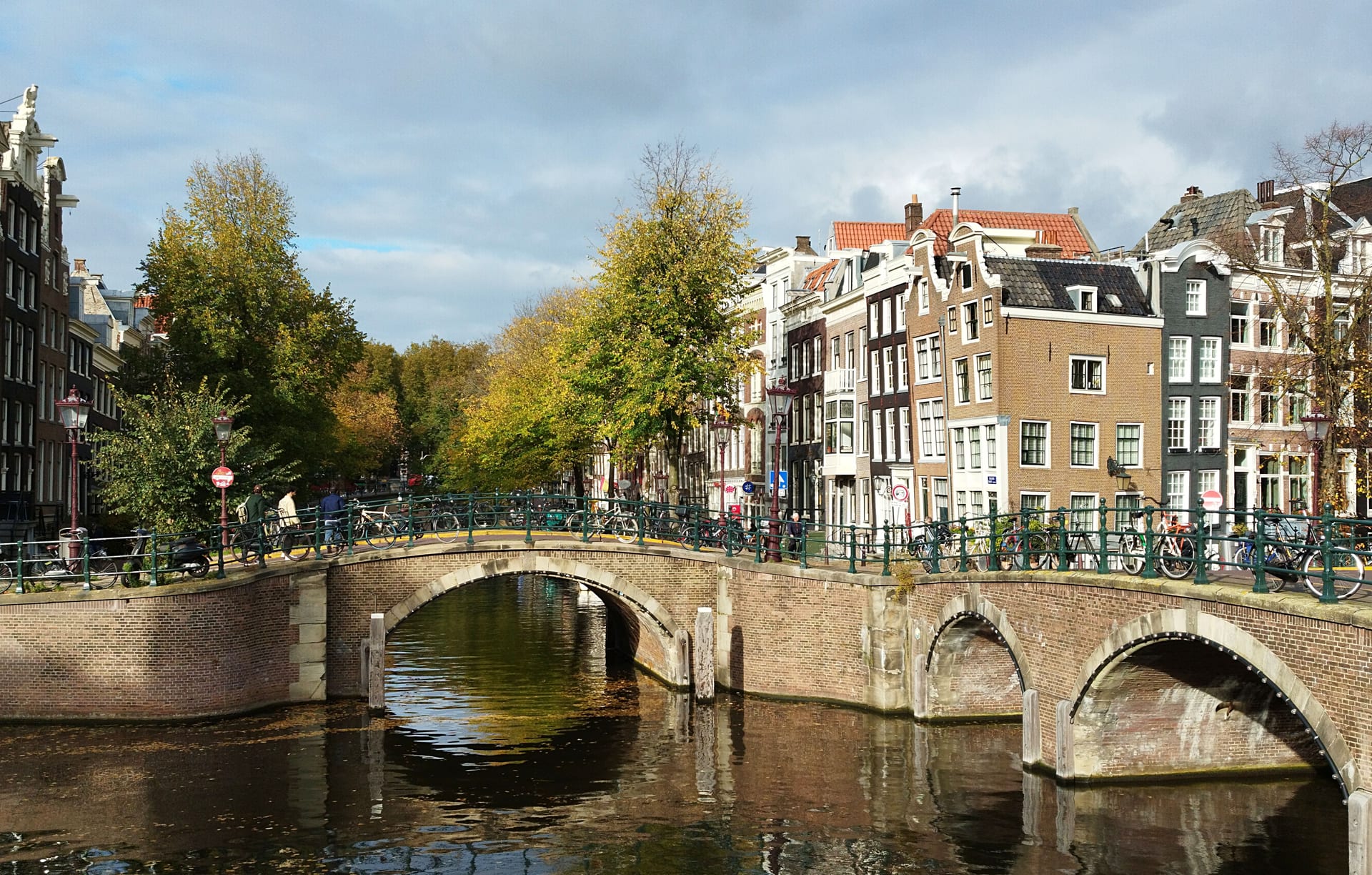
Amsterdam’s best quality is how much life happens in public: cycling, canals, parks, cafés, museums and neighbourhood shops make daily routines feel social rather than transactional. Transit and services are dependable.