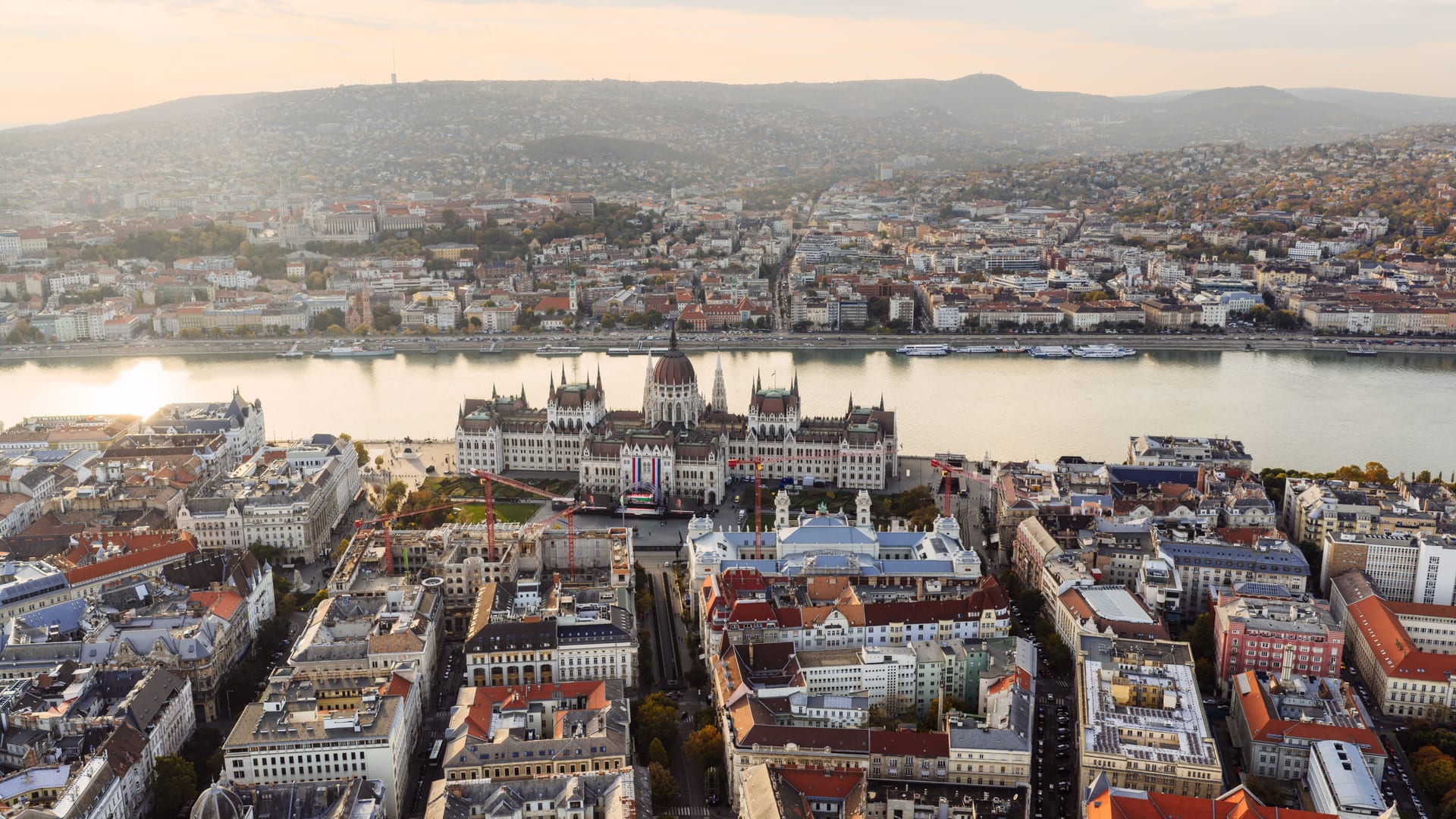
 Hungary
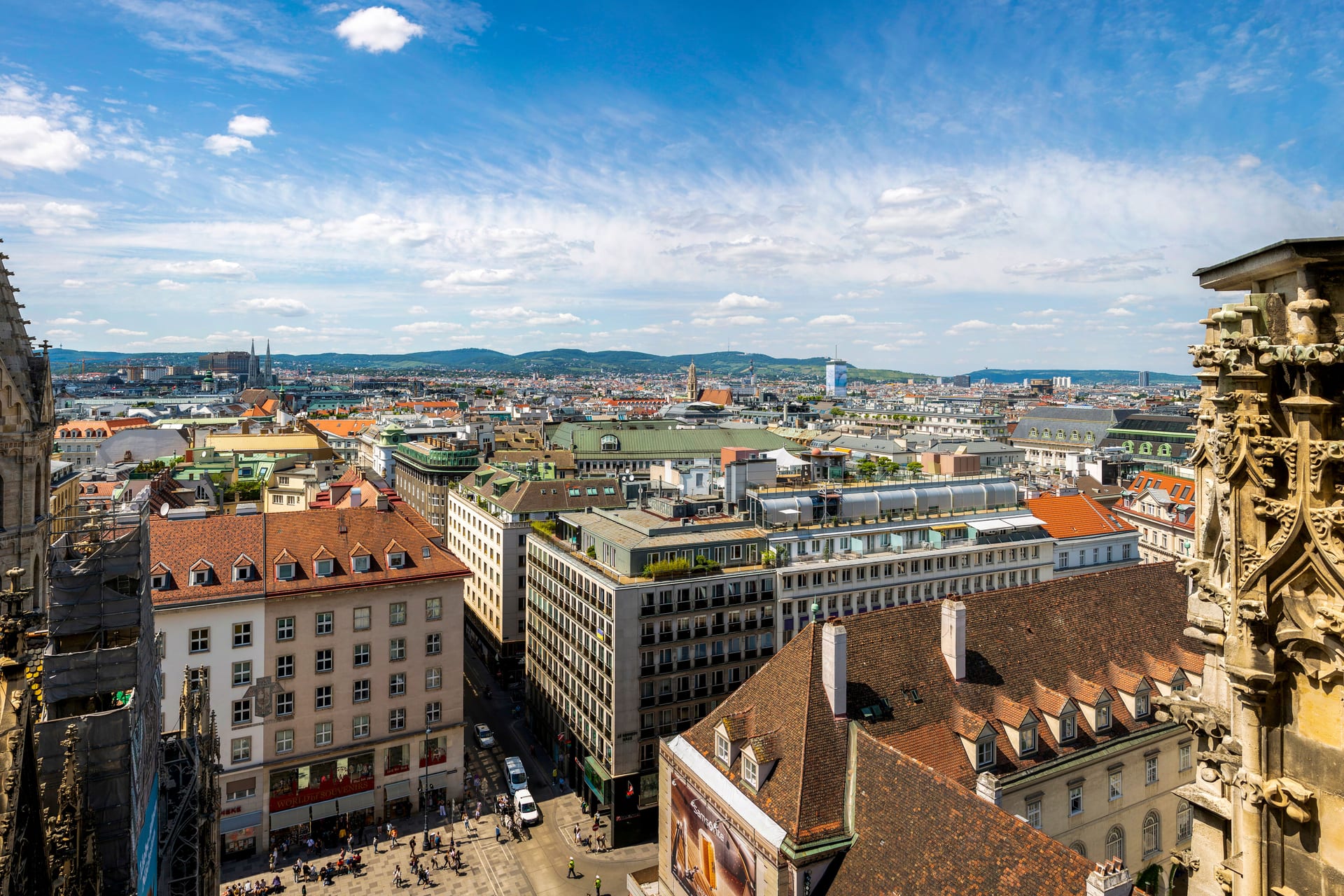
 Austria
Budapest makes sense if
- You want the easier housing and budget equation in this comparison.
Budapest brings sweeping Danube views, thermal baths and lively ruin-bar nights to everyday life. Vienna offers coffeehouses, major museums and carefully kept civic spaces, backed by strong public transport and healthcare.
The grey shape is all 283 cities; each row says whether lower or higher is better. Ratings out of 10 are our reviewed estimates; the rest is published data. How we measure
Set how much each area counts. The ranking updates as you go. Climate and values are left out because there is no better or worse there, only your taste.
Leads on nature & outdoors, city life, safety & health, work & family and moving & settling in; stands out for clean, cared-for streets and childcare.
Leads on money; stands out for broadband speed and easier house-hunting.
Scores out of 100, averaged from the areas you weighted. For a ranking built around your own situation, take the quiz.
Rent on a new lease, everyday prices and tax.
The year month by month. Whether it suits you is yours to judge.
Solid line: average daytime high. Dashed: night-time low. Point at the chart for any month; point at a city name to shade its range.
How easily you get to water, mountains and green space.
Getting around on foot, food, culture and the feel of the streets.
Crime, how safe people feel, and the care you would get.
Jobs, working culture, schools and raising kids.
Visas, language, paperwork and staying connected.
Where each city sits. There is no right end of these scales.
Budapest is built to be lived in without a car. The old core is dense and walkable, with mixed-use streets where shops, cafes, and flats stack together, and a tram-and-metro network that reaches most corners.
Dense, walkable, and built for living without a car. Neighbourhoods are well-defined and mixed-use, with shops, cafes, and transit woven into daily routines.
Budapest is a notably safe capital. Violent crime is rare, the homicide rate is among the lowest in this peer group, and walking the central districts after dark feels comfortable to most residents.
Violent crime is rare, the streets feel secure after dark, and traffic is managed with care. Petty theft exists in tourist-heavy spots but stays modest.
The local market is modest, with opportunities in shared services and technology. Healthcare here is solid but not a standout.
Across several industries, Vienna offers a solid and established job market. A strong public system with excellent hospitals and good access to doctors.
The nightlife built around its ruin bars is genuinely distinctive, the cafe tradition runs deep, and there is a steady current of music, museums, and a strong sense of local culture. Budapest is grand but worn, its faded facades and uneven upkeep part of the charm.
The coffeehouse tradition is unmatched, the museum and classical-music offering rivals any European capital, and the dining range keeps widening, vegetarian options included. Vienna is pristine and orderly, its public spaces beautifully maintained.
Vienna suits someone who values reliable services, museums and orderly public spaces. Budapest is the more atmospheric choice for riverfront walks, baths and late nights, with more uneven upkeep.
These numbers treat everyone the same. The quiz weighs them by your budget, climate taste, family and work, and ranks all 283 cities for you.