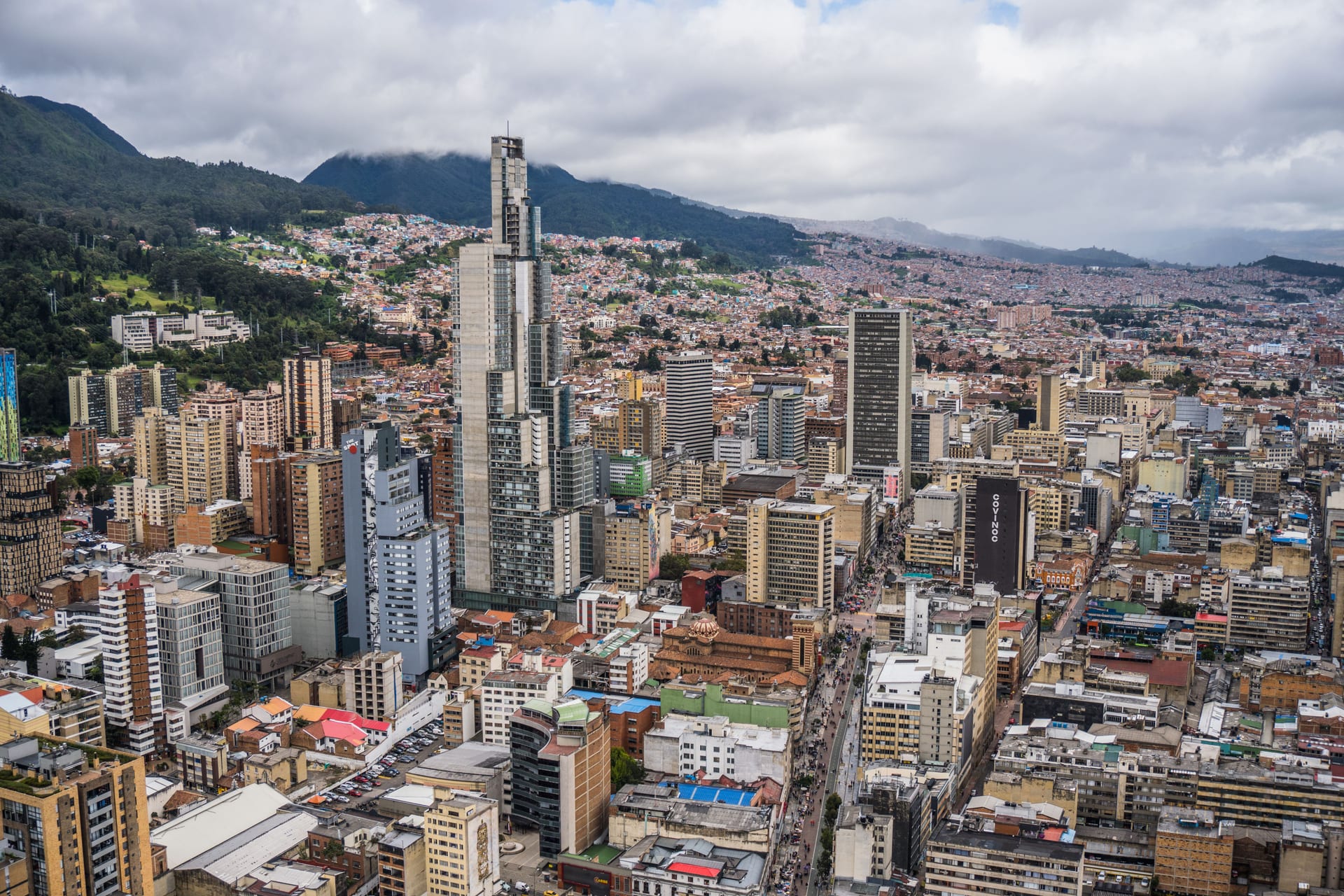
 Colombia
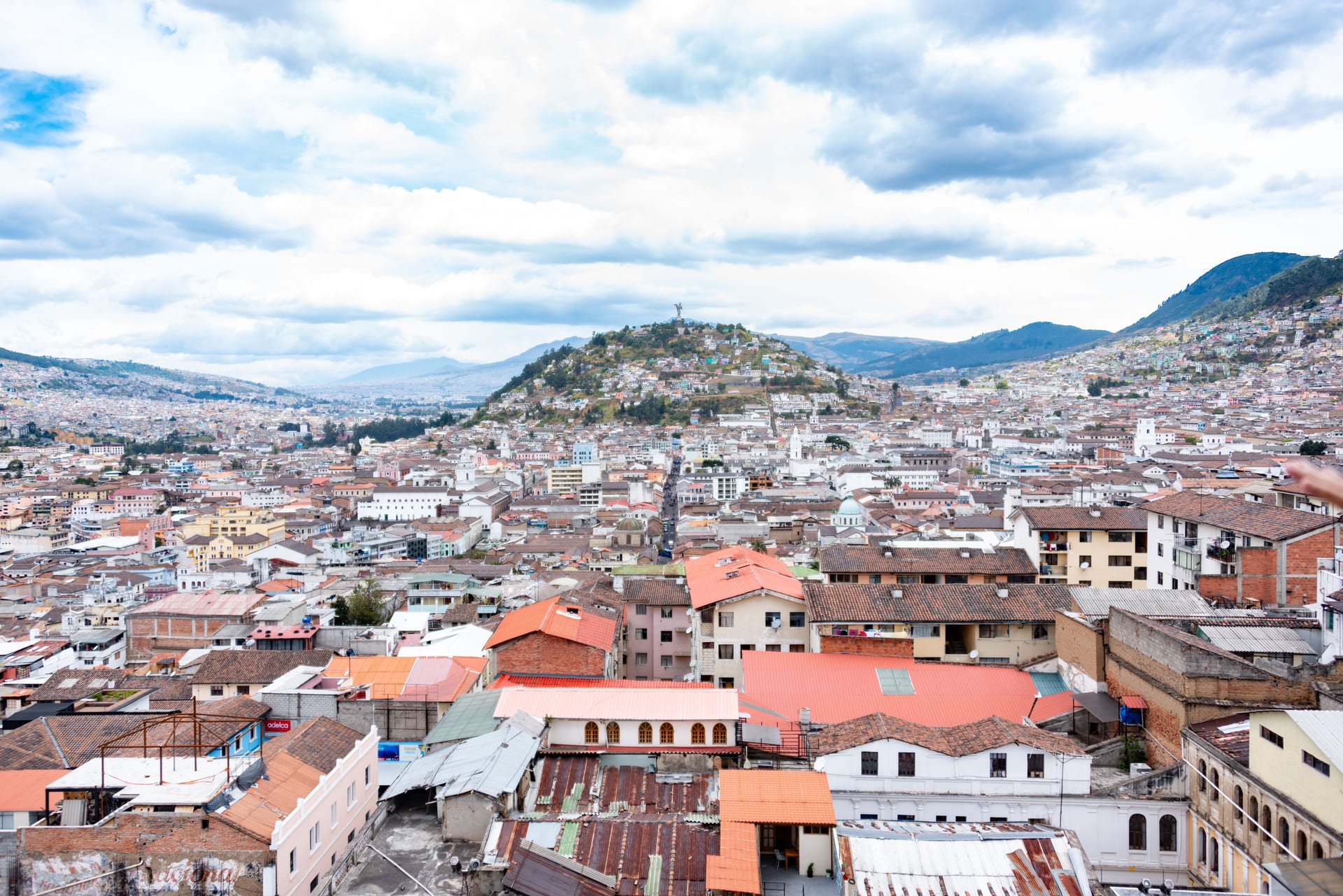
 Ecuador
Medellín makes sense if
- You want the easier housing and budget equation in this comparison.
- Access to stronger healthcare matters most to you.
- You want the broader career options in this comparison.
Medellín's green Andean valley and spring-like weather draw remote workers, but the city is hilly and petty crime remains a concern. Quito sits higher in the Andes, with mild weather and mountains on every horizon, while career prospects and safety still need attention.
The grey shape is all 283 cities; each row says whether lower or higher is better. Ratings out of 10 are our reviewed estimates; the rest is published data. How we measure
Set how much each area counts. The ranking updates as you go. Climate and values are left out because there is no better or worse there, only your taste.
Leads on work & family; stands out for winter comfort and jobs in english.
Leads on nature & outdoors; stands out for national parks nearby and weekend escapes.
Scores out of 100, averaged from the areas you weighted. For a ranking built around your own situation, take the quiz.
Rent on a new lease, everyday prices and tax.
The year month by month. Whether it suits you is yours to judge.
Solid line: average daytime high. Dashed: night-time low. Point at the chart for any month; point at a city name to shade its range.
How easily you get to water, mountains and green space.
Getting around on foot, food, culture and the feel of the streets.
Crime, how safe people feel, and the care you would get.
Jobs, working culture, schools and raising kids.
Visas, language, paperwork and staying connected.
Where each city sits. There is no right end of these scales.
Medellín is a mid-sized city packed densely into a long, steep valley, which gives it real texture but also a lot of hills. Neighbourhoods like El Poblado and Laureles are walkable and mixed-use, yet the city as a whole leans on cars and motorbikes to get around.
Quito stretches out as a long, low-rise city draped across the valleys, so density is modest and getting around often means leaning on a car. Neighbourhoods and mixed-use streets are workable but walkability is uneven.
Safety remains a central consideration. Political stability is another source of uncertainty, making local street awareness important.
Serious street awareness is still necessary in Quito. Traffic is another genuine hazard, and the political backdrop adds uncertainty to daily life.
The local market is a difficult base for people relying on local employment. Colombia's private healthcare is well regarded across the region, and Medellín has good clinics and hospitals at costs that feel modest to most foreigners.
Local employment is the hard part. Care is serviceable rather than excellent.
Medellín's social energy is its strength. Medellin feels cared-for in a way its neighbours rarely match, proud of its metro and its hillside parques biblioteca, plazas and transit-knit public works.
Quito carries one of South America's best-preserved colonial old towns and a genuine local culture rooted in Andean and Ecuadorian traditions. Quito's UNESCO old town is magnificent, plaza after plaza of colonial churches and squares, though the dense fabric around them shows uneven upkeep and altitude grit.
Medellín suits remote workers who value an easy social pace and mild climate, with a clear plan for neighbourhood safety. Quito is the more measured choice for high-altitude scenery and a safety advantage, though work options are limited.
These numbers treat everyone the same. The quiz weighs them by your budget, climate taste, family and work, and ranks all 283 cities for you.