
Living in Medellín
Medellín sits in a green Andean valley and runs on famously mild, spring-like weather all year. It is one of the cheapest big cities in Latin America to live well in, and a magnet for remote workers, though the trade-offs are real: petty crime, a hilly sprawl, and a city still rewriting its reputation. Life here moves at an easy, social pace.
Medellín at a glance
Vital stats
Shown in USD: the local currency (COP) moves too fast for stable monthly figures.
Where Medellín stands out
The metrics where Medellín sits farthest from the middle worldwide, good and bad.
Cheap to arrive, expensive to stay?
A typical one-bedroom in Medellín runs $385/mo. That is ~87% of one typical local employee’s mean net pay. This is a solo-newcomer stress test: sitting tenants, shared homes, subsidised housing and informal rents are deliberately outside the numerator.
The fastest way to test a shortlist is to go. A week on the ground tells you things no ranking can.
Partner link
Approved language-learning and international money resources for practical next steps.
Daily life in Medellín
How Medellín scores
Category by category
Affordability
72/100Medellín's open-market one-bedroom rent on a new lease is about $385 per month. That is roughly 87% of one typical employee's mean net pay, a rent burden labelled solo unlikely.
Climate
tropicalMedellín has little seasonal temperature swing, with averages near 21°C in January and July. Sky conditions are the harder compromise: only about 28 days are bright, while rainy-grey conditions dominate. Humidity stays high, but the year is not constantly muggy.
Nature access
alpineThe valley setting means mountains, forest, and hiking are close at hand, and weekends open onto coffee-country towns and green hills within easy reach. What it lacks is water. There is no coast and few rivers or lakes to speak of, and dedicated green space inside the city is thinner than the surrounding scenery implies. Outdoor escape lives just past the ridgelines.
Urban form
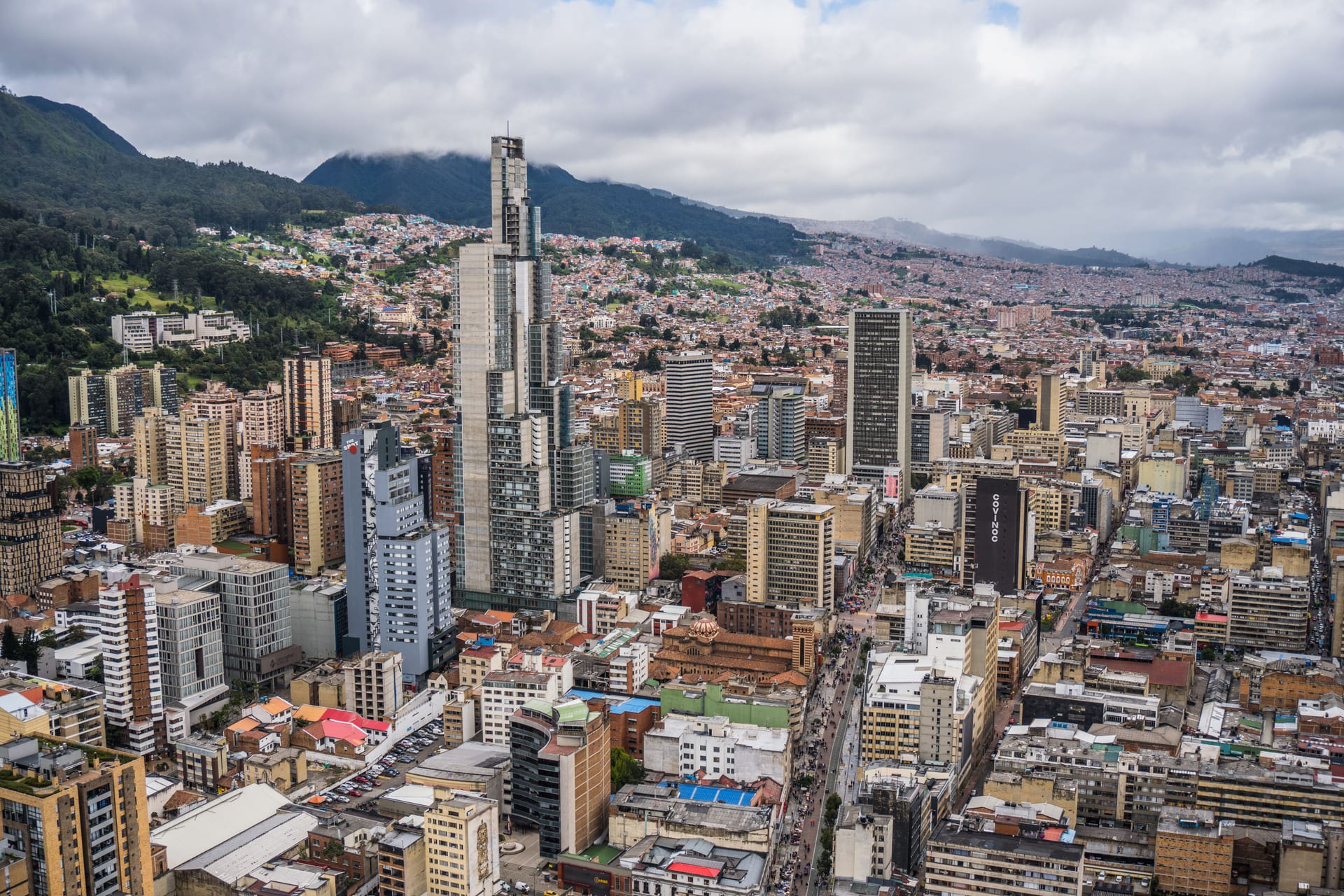
large cityMedellín is a mid-sized city packed densely into a long, steep valley, which gives it real texture but also a lot of hills. Neighbourhoods like El Poblado and Laureles are walkable and mixed-use, yet the city as a whole leans on cars and motorbikes to get around. Pace is moderate, neither frantic nor sleepy, with daily life clustered in distinct pockets.
Public life & spaces
59/100Medellin feels cared-for in a way its neighbours rarely match, proud of its metro and its hillside parques biblioteca, plazas and transit-knit public works. Daily life is cheap and festive, with free concerts and events all year. It is tidier than peers, though grime still creeps in beyond the showcase corridors.
Safety
45/100Safety remains a central consideration. A homicide rate of about 25 per 100,000 sits alongside elevated violent crime and petty theft, so caution after dark and attention to belongings are part of ordinary city life. Political stability is another source of uncertainty, making local street awareness important.
Healthcare
55/100Colombia's private healthcare is well regarded across the region, and Medellín has good clinics and hospitals at costs that feel modest to most foreigners. Quality and emergency care are solid in the main facilities. Doctor availability is stretched, and while some private practitioners speak English, Spanish goes a long way and is often needed to navigate the system smoothly.
Family life
50/100For families, Medellín is workable rather than easy. Housing for a family is affordable, and kids grow up with a lot of outdoor time in a forgiving climate. The harder parts are child safety, which lags, schooling that is uneven outside the better private options, and a work culture and parental-leave context that offer less support than wealthier countries. Trade-offs are part of the picture.
Career
61/100The local market is a difficult base for people relying on local employment. Local pay is low and unemployment is elevated, while English-language roles are limited. Remote work is the clearer route, with stronger conditions and a serviceable startup scene.
Culture & food
68/100Medellín's social energy is its strength. Nightlife is lively, the café culture is strong on the back of Colombia's coffee, and there is a respectable music, art, and events scene. Local Paisa culture is proud and welcoming. Dining is good and very affordable, though vegetarians and vegans have fewer options than in big European cities, and most of the experience opens up faster with some Spanish.
Ease of integration
59/100Daily life runs in Spanish, with little English in everyday settings, so the language barrier is the main hurdle to integrating. That said, Paisas are warm and notably open to foreigners, and Medellín already hosts a sizeable and sociable expat and remote-worker crowd. Effort with the language pays off quickly here, and newcomers who make it find a friendly, connection-driven culture.
Connectivity
41/100Practical infrastructure is a mixed bag with bright spots. Internet is genuinely fast and reliable, and the metro and cable-car system is a point of civic pride and works better than public transport in most of the region. Against that, traffic congestion is heavy, intercity rail is essentially nonexistent so travel means buses or flights, and official bureaucracy is still paper-heavy and slow.
Social values
mixedMedellín is socially moderate and leans traditional, shaped by Colombia's strong Catholic and family-centred culture. Attitudes toward LGBTQ life and outsiders are fairly open by regional standards, and the city is more relaxed than its conservative reputation suggests. Gender equality and secular public life, though, trail wealthier Western cities, and civic trust in institutions is low.
Relocation ease
51/100Colombia is relatively straightforward on visas and work authorization, and housing search is not the main barrier. The tax burden is about 20%, while Spanish, slow bureaucracy, and banking and administrative tasks create more day-to-day friction. The landing is approachable, but routine setup rewards patience.
The trade-offs
A year in Medellín
Aug peaks around 25°C, Jan days top out near 23°C, and the year brings roughly 28 bright days.
Can you actually move here?
The hard limits people most often bring to a move, scored against Medellín's data.
Moving with a pet
Bringing a pet to Colombia is reasonably straightforward, with manageable vaccination and paperwork requirements and no long quarantine for most cats and dogs. Starting the documentation early and lining up a vet familiar with the import rules keeps the move smooth.
Who Medellín works for
Answer the questionnaire and see where Medellín lands for you.
Take the free questionnaireWhere else to look
Medellín vs. comparable cities

Objective scores (0–100) for Medellín and its 4 nearest comparable cities.
The cities people weigh against Medellín
Unexpected siblings
Far from Medellín on the map, close across all 14 categories of daily life.


