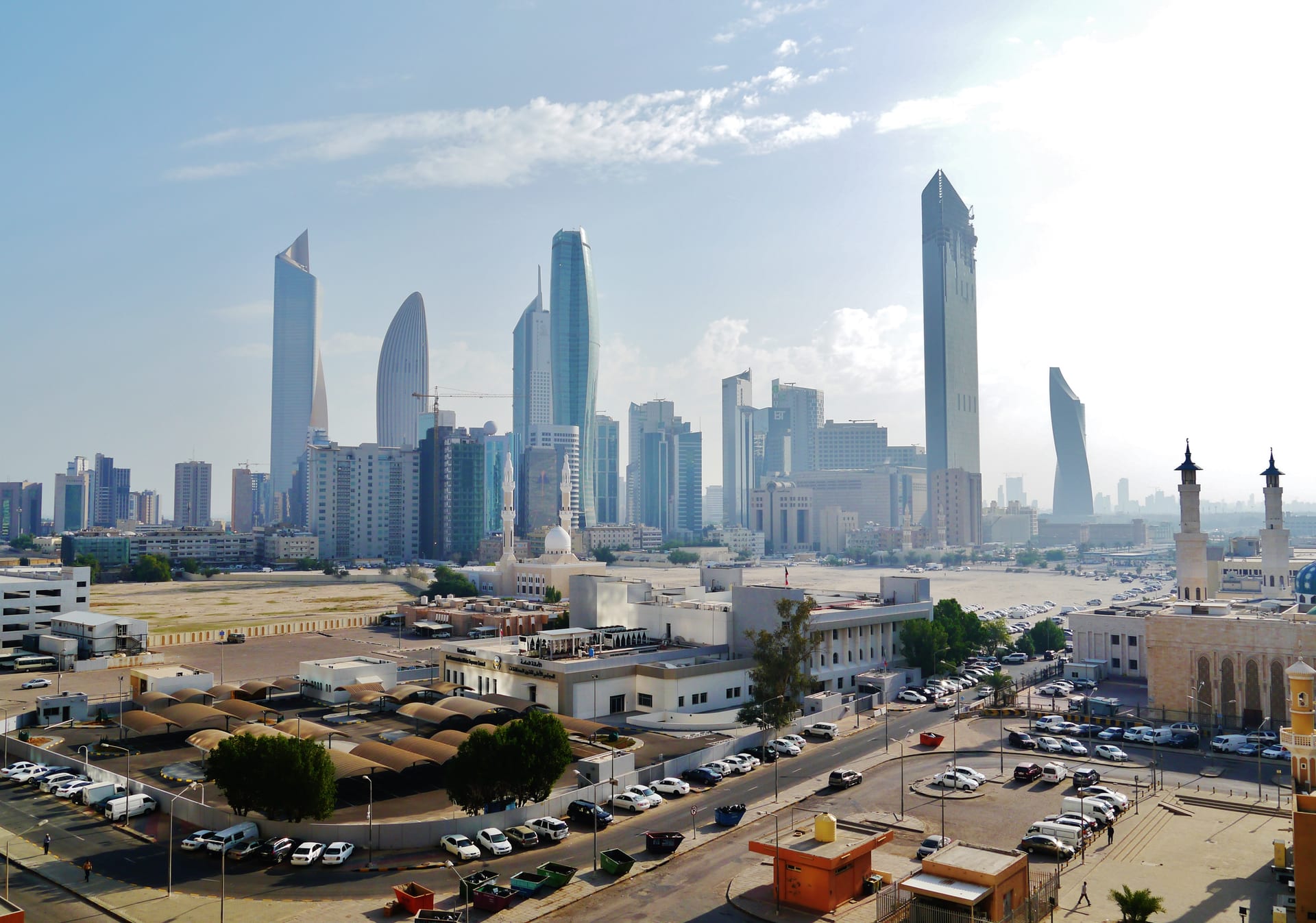
 Kuwait
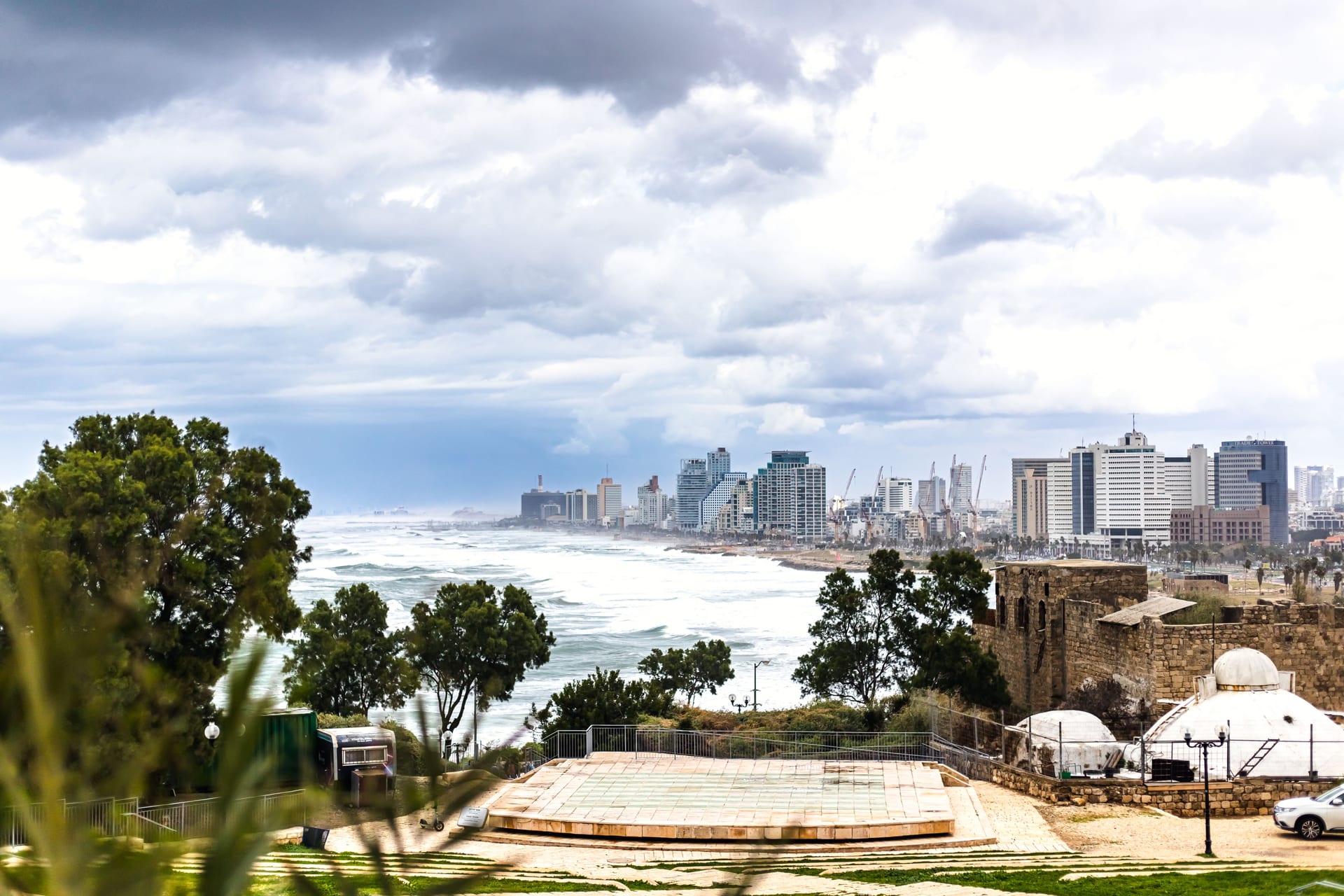
 Israel
Kuwait City makes sense if
- You want the easier housing and budget equation in this comparison.
- A calmer day-to-day safety profile matters most to you.
Kuwait City offers lower housing costs and a safe, spacious Gulf routine. Tel Aviv brings the deeper career market, stronger public life, and more varied food and cultural scene, with a much higher cost base.
The grey shape is all 283 cities; each row says whether lower or higher is better. Ratings out of 10 are our reviewed estimates; the rest is published data. How we measure
Set how much each area counts. The ranking updates as you go. Climate and values are left out because there is no better or worse there, only your taste.
Leads on nature & outdoors, city life and work & family; stands out for nightlife and train connections.
Leads on money and safety & health; stands out for simpler taxes and space for the money.
Scores out of 100, averaged from the areas you weighted. For a ranking built around your own situation, take the quiz.
Rent on a new lease, everyday prices and tax.
The year month by month. Whether it suits you is yours to judge.
Solid line: average daytime high. Dashed: night-time low. Point at the chart for any month; point at a city name to shade its range.
How easily you get to water, mountains and green space.
Getting around on foot, food, culture and the feel of the streets.
Crime, how safe people feel, and the care you would get.
Jobs, working culture, schools and raising kids.
Visas, language, paperwork and staying connected.
Where each city sits. There is no right end of these scales.
Life is organised around highways, malls, and large private homes rather than walkable streets. Getting anywhere on foot is impractical, neighbourhoods feel low on street life, and a car is essentially mandatory.
Compact, dense and easy to cross on foot, Tel Aviv rewards people who want to live without a car. The pace is quick and the streets stay busy, with a strong mix of homes, shops and offices layered together.
In ordinary life, Kuwait City feels safe. Traffic is the practical hazard, with road safety weaker than the city's calm streets might suggest.
Serious violence is rare, but Tel Aviv records about six times as many thefts per resident as Jerusalem, so bikes, bags and parked cars need care, and walking around at night feels comfortable in most areas. The serious caveat is political stability, which scores at the very bottom, and the wider security situation can shift quickly.
Kuwait City's low unemployment and accessible English-language roles make the market comparatively easy to enter. Hospital care is solid and emergency treatment is reliable, with English spoken widely in clinics, which eases life for newcomers.
Tel Aviv offers a deep market for technology and startup work, with strong professional networks and very low unemployment. The system is strong, with good hospitals, reliable emergency care and low out-of-pocket costs once a person is in it.
The international community is enormous, with people from across South Asia, the Arab world, and beyond, and English goes a long way in daily life. Kuwait City is wealthy and broadly clean, though dust and ageing infrastructure show through.
The food scene is the city's pride, packed with excellent restaurants and some of the best vegetarian and vegan eating anywhere. Its strength is the built realm: the beach promenade, the Bauhaus boulevards, walkable squares that hum.
Kuwait City fits someone prioritising a quieter, lower-cost base and Gulf employment. Tel Aviv is the stronger choice for technology careers, cafés, beaches, and walkable street life; the region's political risk remains material in both.
These numbers treat everyone the same. The quiz weighs them by your budget, climate taste, family and work, and ranks all 283 cities for you.