Affordability
67/100Querétaro's open-market one-bedroom rent on a new lease is about $537 per month. That is roughly 85% of one typical employee's mean net pay, a rent burden labelled solo unlikely.
Climate
temperateQuerétaro is mild, dry-feeling and unusually bright. Summers stay temperate, winters are gentle, and around 252 bright days leave little room for a dark season. Rainier spells still interrupt the year, but muggy weather is rare and extreme-weather risk is contained.
Nature access
alpineThis is the weak spot. Querétaro is landlocked deep in the interior, so the ocean is a long haul away, and the city itself is short on large parks and green space. There are hills and semi-arid country within reach for weekend hikes, but rivers, lakes, and forest are sparse compared with greener parts of the country.
Urban form
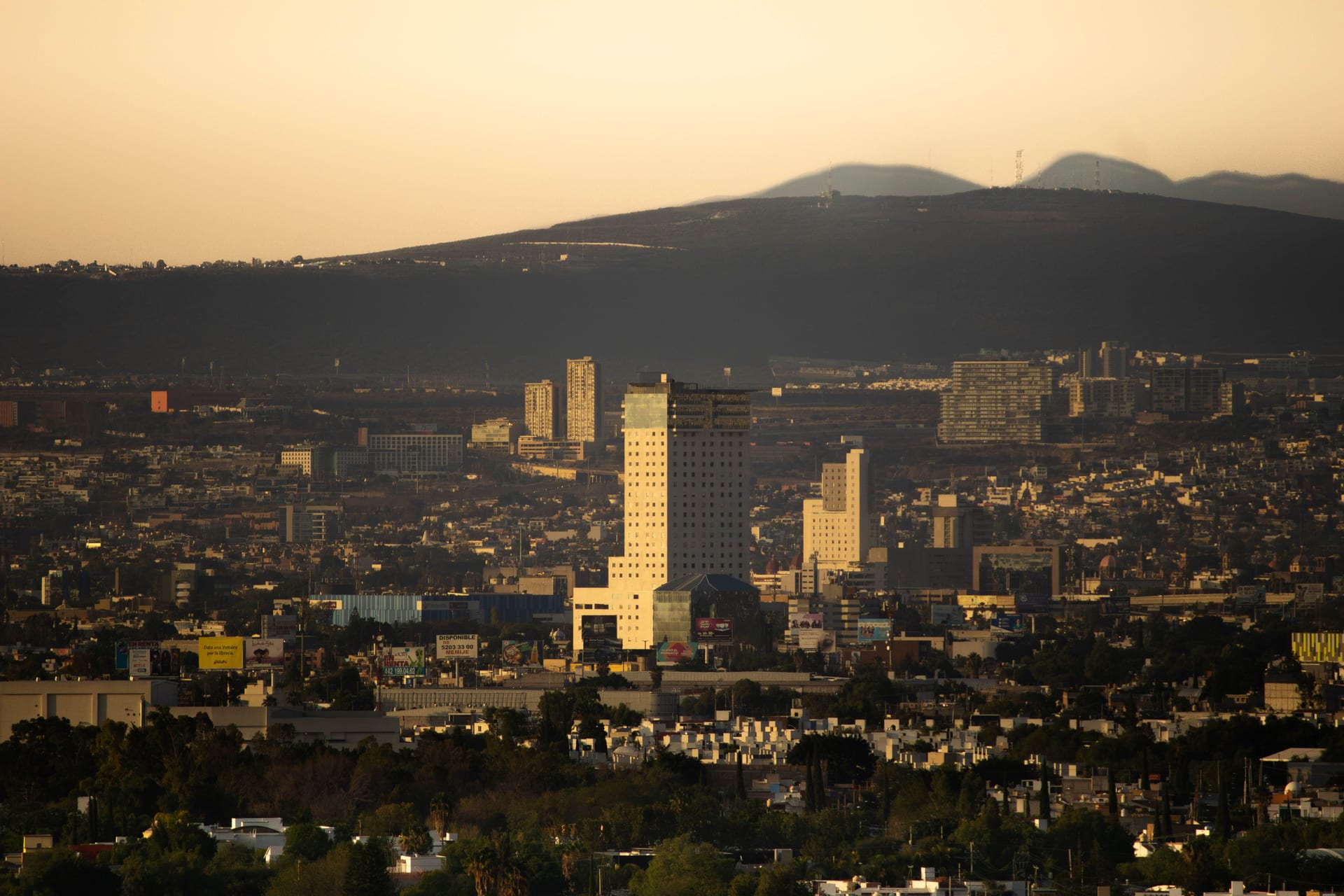
mid-sizedA compact, low-rise city centred on a UNESCO-listed historic core of plazas and stone streets. Outside that walkable heart, daily life leans heavily on the car, sprawl is real, and getting around without one is awkward. Neighbourhoods are pleasant and the pace is unhurried, far gentler than the churn of Mexico City.
Public life & spaces
63/100Queretaro is prosperous and safe, its UNESCO colonial center beautifully kept, with restored plazas, the old aqueduct and pedestrian andadores threading the heart. Life stays affordable, and free plaza festivals run often. It is one of Mexico's tidier, easier cities, the trade being a centro that can feel polished for visitors.
Safety
60/100Among the safer cities in Mexico, with a homicide rate well below Mexico City and a genuine sense of calm that residents and newcomers both notice. Everyday street safety and walking at night feel reassuring for the region. The broader national backdrop of political instability is the main caveat, and traffic remains a real road risk.
Healthcare
51/100Adequate rather than excellent. Private hospitals and clinics deliver solid care, and English-speaking doctors are findable in the private system, but the overall depth of specialists and doctors per resident lags behind richer countries. Emergency care reliability is middling, so most expats lean on private insurance and private facilities.
Family life
45/100A reasonable place to raise kids, with safe neighbourhoods, decent schools, and plenty of outdoor time thanks to the steady climate. The harder part is the working culture: long hours are common and formal parental leave is thin, much as it is across Mexico, so the support structure for working parents is limited.
Career
59/100Querétaro has a healthy local job market with solid industry fit. Typical local pay is low by international standards, so the low-pay ceiling matters for anyone dependent on local wages. English-language roles exist but are not the norm, and the tech scene is present without being a major draw.
Culture & food
57/100Strong on local character and food. The historic centre carries deep colonial heritage, cantinas, and a regional cuisine that is taken seriously, with a respectable café and restaurant scene for a city this size. It is quieter culturally than Mexico City, with fewer museums and less nightlife, and vegan or vegetarian options are still catching up.
Ease of integration
56/100The working language is Spanish, and English will only go so far in daily life, so settling in comfortably really depends on learning the language. Querétaro draws a growing crowd of internal migrants and a modest expat presence, and locals tend to be welcoming to newcomers, though the social fabric is more traditional than cosmopolitan.
Connectivity
34/100The thin part of the picture. There is no metro and public transport is limited, intercity rail is essentially nonexistent for passengers, and getting digital services or paperwork done online can be clunky. The upsides are manageable traffic and reasonable home internet, but this is a city built around driving everywhere.
Social values
mixedSocially conservative and rooted in tradition, more so than Mexico City and well to the right of most European capitals on cultural attitudes. Public life carries a Catholic, family-centred tone. Locals are generally open to foreigners, but expectations around gender roles and lifestyle are more traditional, which matters for anyone used to a liberal urban setting.
Relocation ease
57/100Mexico is relatively welcoming on paper: residency and work permits are achievable without the gauntlet some countries impose, and Querétaro's smaller scale makes the housing hunt less brutal than the capital's. Day-to-day bureaucracy and opening a bank account can still test patience, and Spanish is close to essential for handling officialdom.