Rent, groceries and eating out all run well below Almaty and Tbilisi, with a light tax burden, putting Tashkent 11th worldwide on affordability. A clean, well-run metro and functional digital government exceed expectations.
Asia offers the world’s best cost-to-quality ratios, if you pick the right city. Ranked by how far your money goes without giving up safety or infrastructure that works.

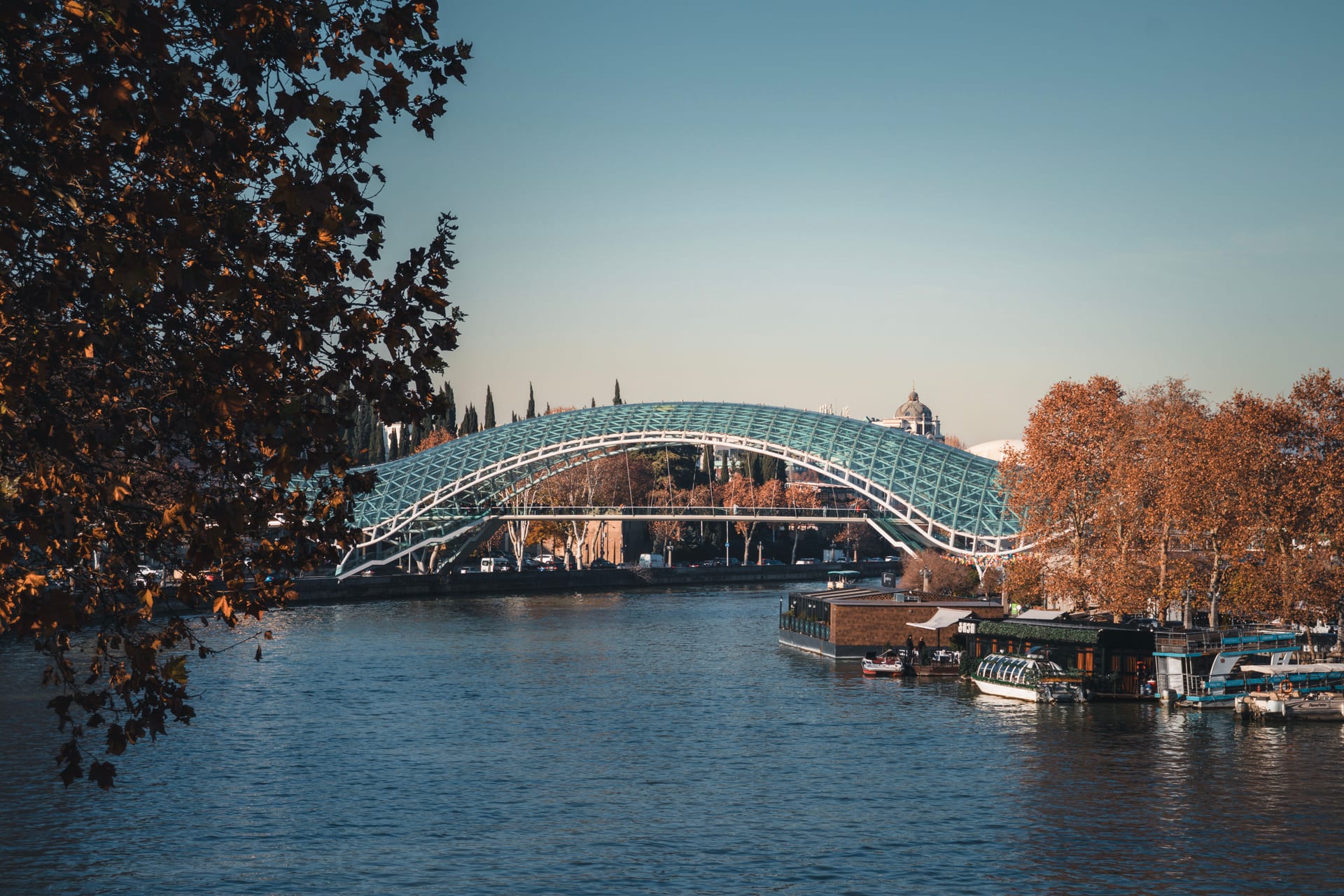
Rent, groceries and eating out all run well below Almaty and Tbilisi, with a light tax burden, putting Tashkent 11th worldwide on affordability. A clean, well-run metro and functional digital government exceed expectations.

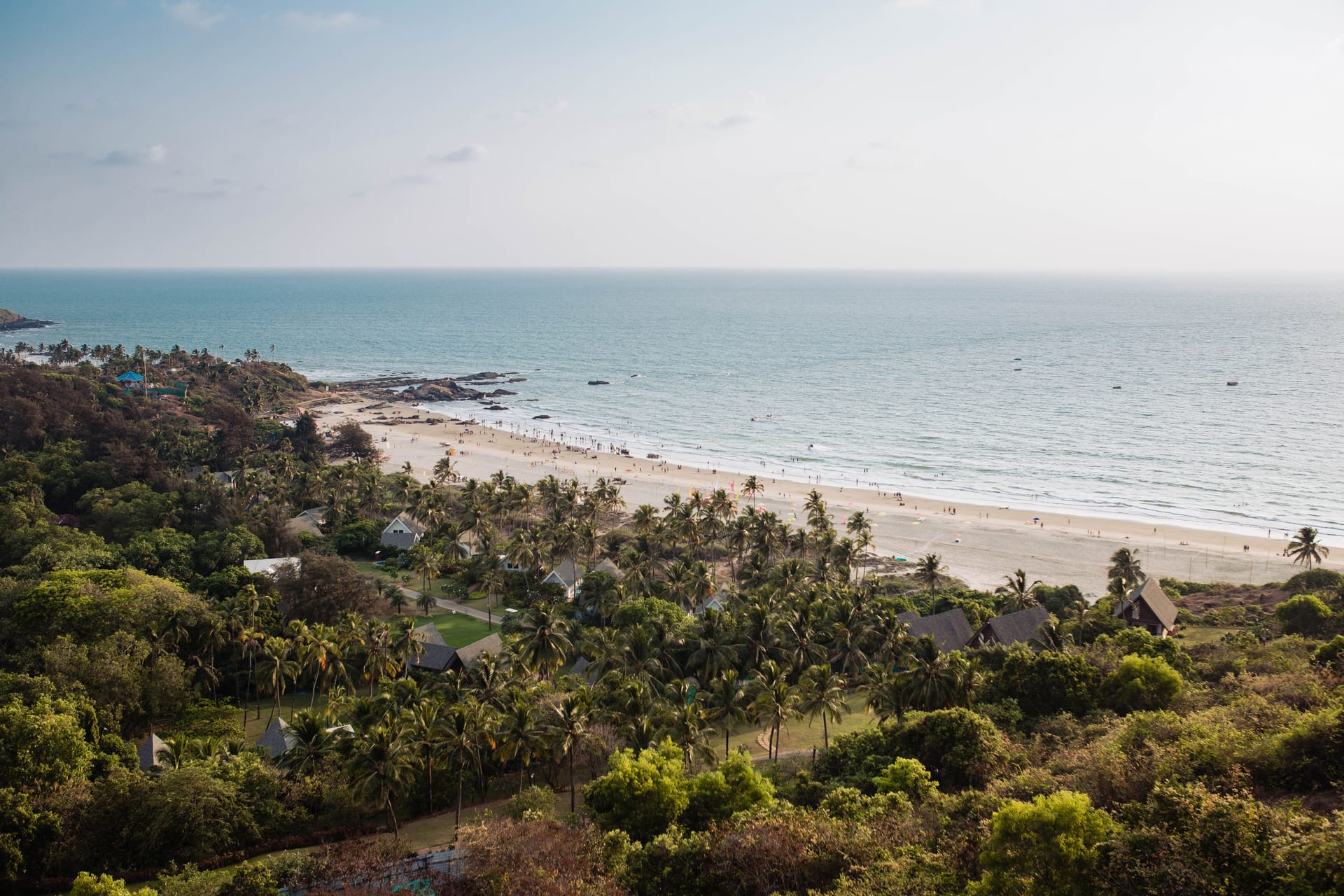
Cheaper than Ho Chi Minh City and Bangkok, with beaches, light traffic and fast reliable internet, which is why the remote-work crowd found it early. Costs are low enough that a modest foreign income goes a long way.

Day-to-day costs are among the lowest a relocator will find anywhere, sixteenth worldwide on affordability, with rent especially cheap and groceries broadly in line with Bengaluru. Connectivity is the weak point at 222nd.

Rent, groceries and eating out all run cheap, undercutting Tbilisi and sitting well below Istanbul, with a light personal tax bite on top. Measured against local wages the gap narrows considerably.

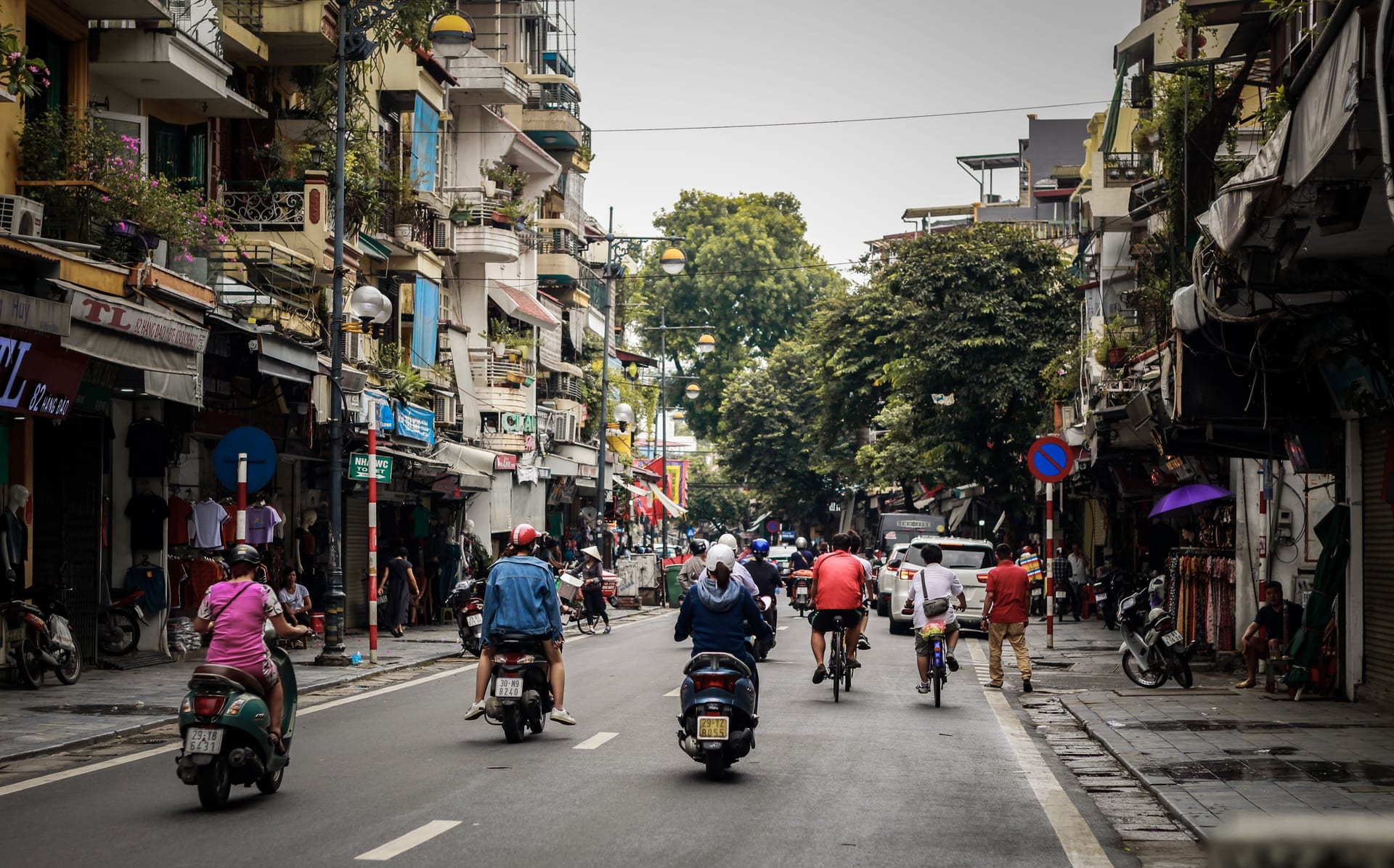
One of the cheapest major capitals in Asia, undercutting Bangkok and Ho Chi Minh City on rent, groceries and eating out, with fast, cheap internet on par with Bangkok and an airport that connects well across the region. Healthcare is middling and English-speaking care patchier than Manila's, and public transport stays thin while a young metro takes shape.

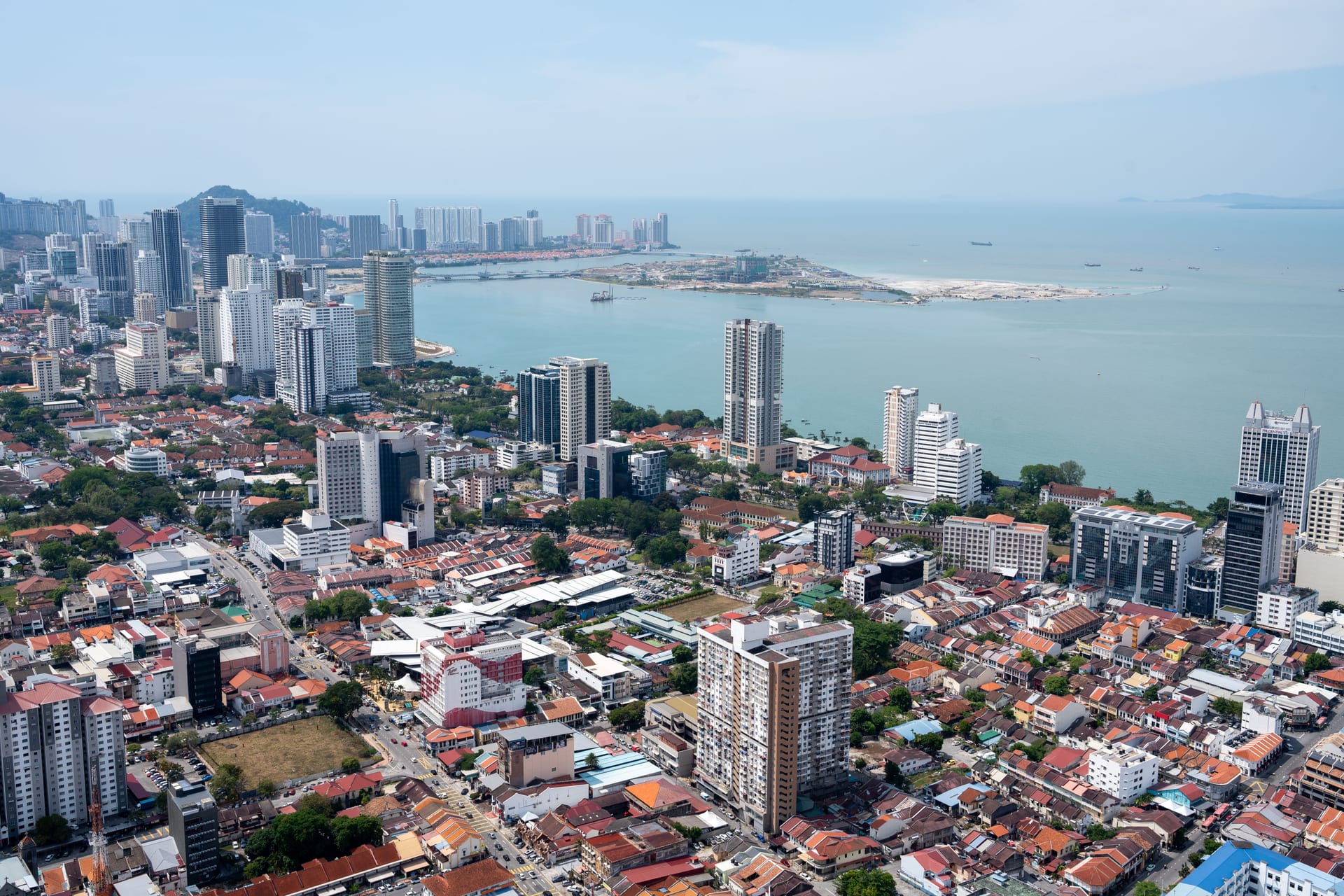
One of the cheapest places to live well in Southeast Asia, Penang keeps rent, groceries, and especially eating out very low, undercutting even Kuala Lumpur and leaving Singapore in another universe. Local salaries are modest, so the affordability shines brightest for anyone earning from elsewhere, and the tax burden stays light.

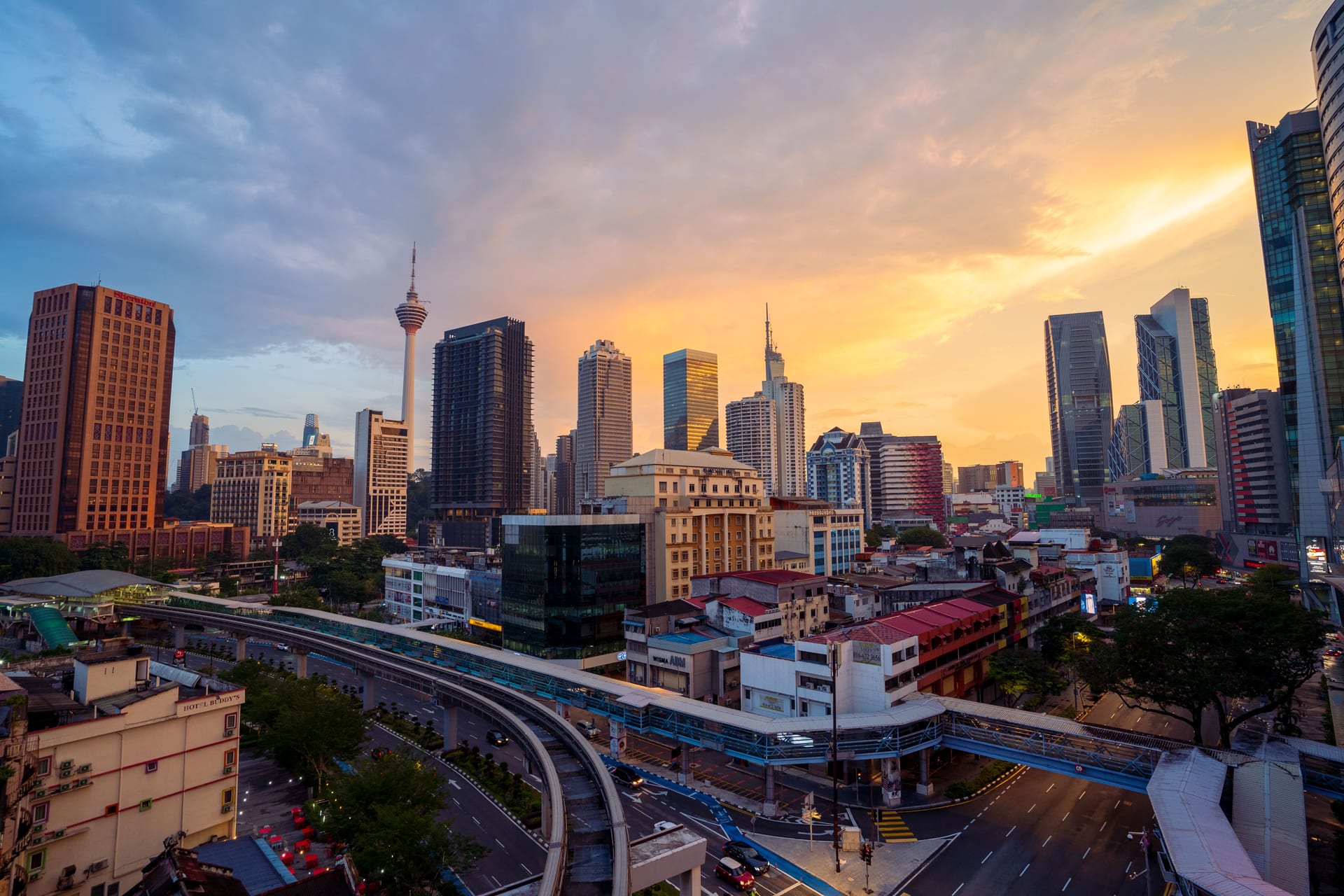
Just across the causeway from Singapore, Kuala Lumpur charges a small fraction for rent, groceries, and eating out, with the general cost of living well below most European capitals. Personal income tax is light, though a new lease takes close to 60 percent of local pay.

Denpasar and its orbit remain the benchmark for cheap tropical living: villas and warung meals at prices no European city approaches, plus an enormous remote-work scene with the coworking and cafés to match. Petty theft and scooter accidents are the realistic risks; violent crime is rare.

Among the cheapest cities a newcomer can settle in, ranked sixteenth worldwide on affordability, with rent and eating out far below Bangkok and light personal taxes. Local wages are low to match, so the bargain holds mainly for foreign income and solo renting is tight on typical employee pay.
We'll email you a confirmation link. A few emails a month, some with partner offers. Unsubscribe anytime. Privacy policy.

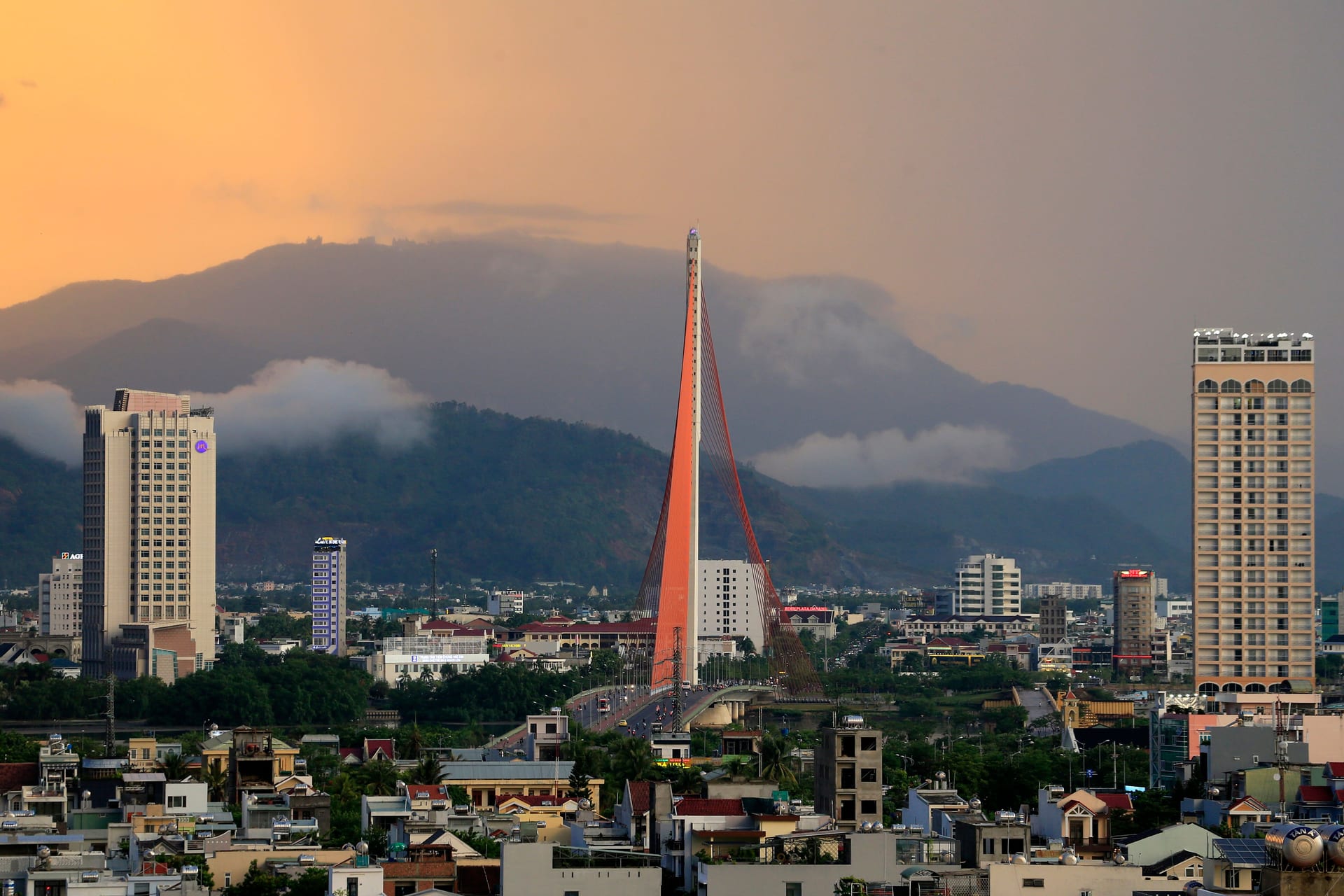
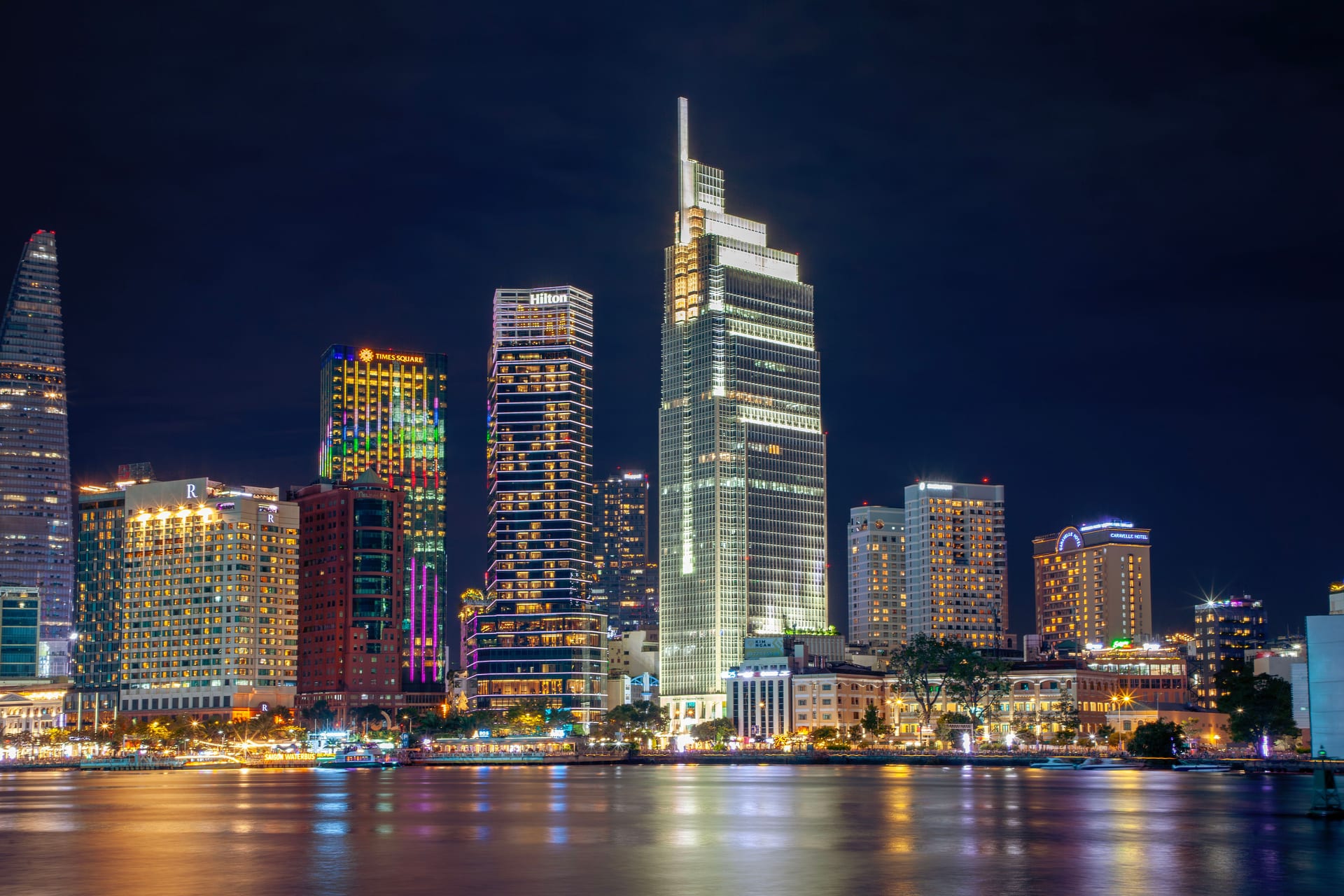
Vietnam's commercial capital costs far less than Tokyo and noticeably less than Bangkok, especially on eating out, while offering fast, dependable internet and an airport with strong Asian reach. It is the most urban option at this price.

A one-bedroom near 360 euros, restaurants at under half the US level and a flat 20 percent income tax, in a city with a year-long visa-free stay for most nationalities. Local salaries are the constraint rather than the prices: rent takes around 55 percent of typical net pay, so the value holds up best on income earned elsewhere.

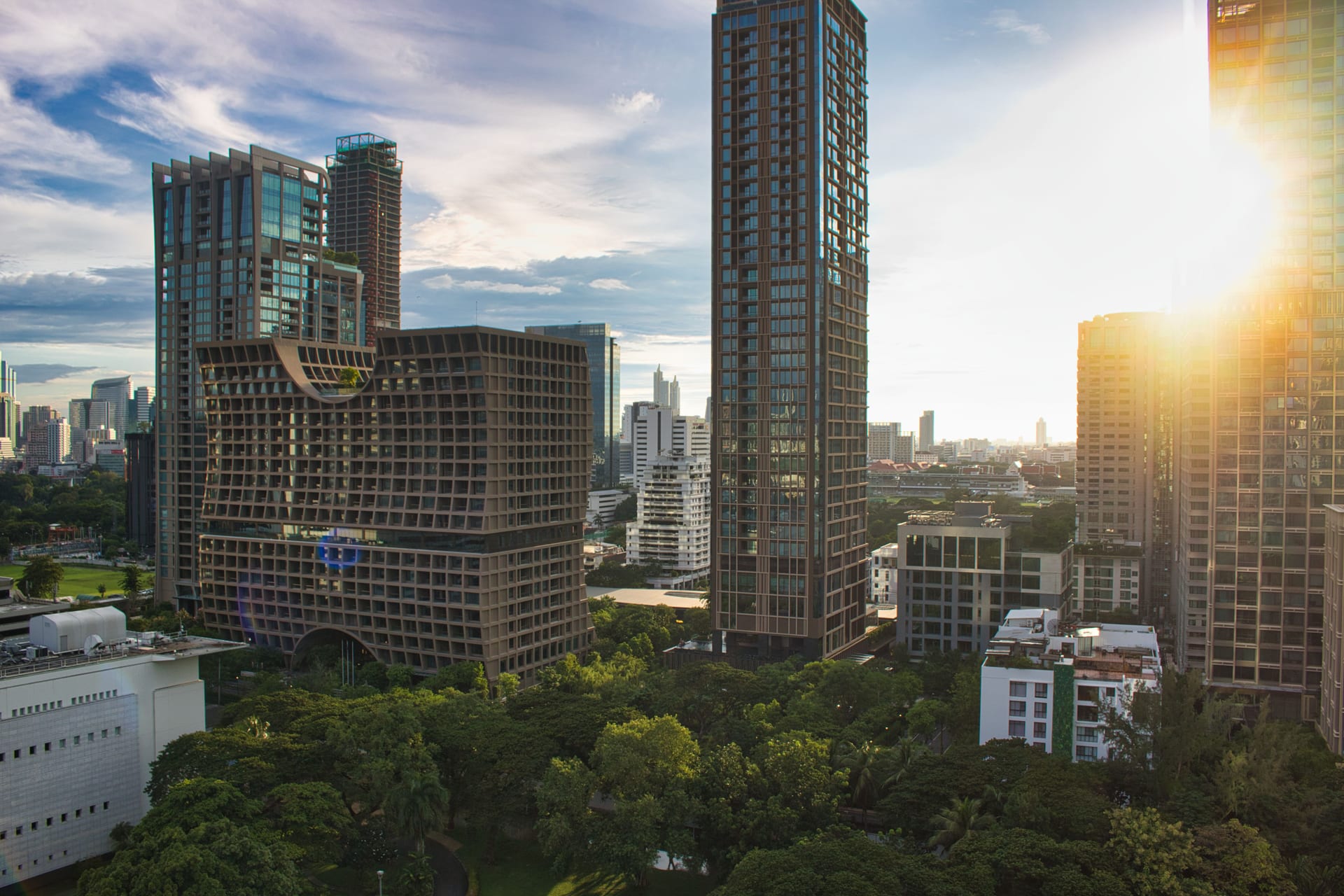
Rent, groceries, restaurants and daily costs all sit very low for a capital of this size, and the tax burden is light, putting Bangkok 33rd worldwide on affordability. Private hospitals are well regarded.
At no extra cost to you, we may earn a commission when you buy through affiliate links on this page.