Affordability
73/100Brno's open-market one-bedroom rent on a new lease is about $800 per month. That is roughly 43% of one typical employee's mean net pay, a rent burden labelled tight alone.
Climate
temperateBrno has a genuinely cold winter and mild summers. The harder adjustment is seasonal light, with about 180 bright days a year and only around 36 days of strong winter brightness. The air is fairly clean, and severe weather is uncommon.
Nature access
leafyBrno sits well for weekends outdoors, with forests, hiking trails, and the Moravian countryside close at hand, plus the Brno reservoir on the city's edge. What it cannot offer is coast or high mountains, the sea is simply not a factor, and green space inside the city is fairly tight.
Urban form
mid-sizedBrno's 313,582-person metro is small enough to feel manageable, yet its streets are unusually easy to use without a car. Walkability and mixed-use neighbourhoods are strong, while compact homes and a slow tempo limit the appeal for anyone seeking a bigger-city buzz.
Public life & spaces
70/100Brno is an orderly, tidy Czech city with a well-kept centre and handsome squares like Freedom Square anchoring a walkable historic core. The built realm is solid if not spectacular. As a student town it runs cheap, with a lively free cultural scene spilling through bars and public squares.
Safety
85/100About as reassuring as European cities get. Violent crime is very low, petty street crime is mild even by Czech standards, and walking home late rarely feels like a gamble. Traffic is orderly and the country is politically stable. This is a place where day-to-day safety mostly fades into the background.
Healthcare
63/100Solid, dependable public healthcare without being a standout. Hospitals and emergency care are reliable and out-of-pocket costs stay low, on a par with Prague. The softer spots are doctor availability, which can mean waits, and English-speaking care, which exists but is not guaranteed outside the larger clinics.
Family life
67/100A sound choice for raising kids. Child safety is high, parks and playgrounds are easy to reach, and Czech parental leave is generous by any measure. Schools are decent if unremarkable, and affordable childcare can be the bottleneck, with places harder to secure than the budget suggests.
Career
61/100Brno offers a dependable local labour market, with unemployment at about 3% and a credible technology base. English-language roles and remote work are available, although neither the market nor professional networks have the depth of a large hub. Local pay is modest, so stability is a stronger draw than high earning potential.
Culture & food
64/100Punches above its size on everyday culture. The cafe scene is excellent, nightlife is lively thanks to a big student population, and there is a strong sense of local Moravian identity, wine country included. For big museums, headline exhibitions, and a deep music scene, Prague still pulls ahead.
Ease of integration
48/100Czech is the language of daily life and English mainly covers the student, tech, and expat circles, so the language barrier is real and learning some Czech opens doors. Locals can read as reserved at first, and the international crowd is smaller than Prague's, but newcomers who put in time tend to find a steady, loyal social footing.
Connectivity
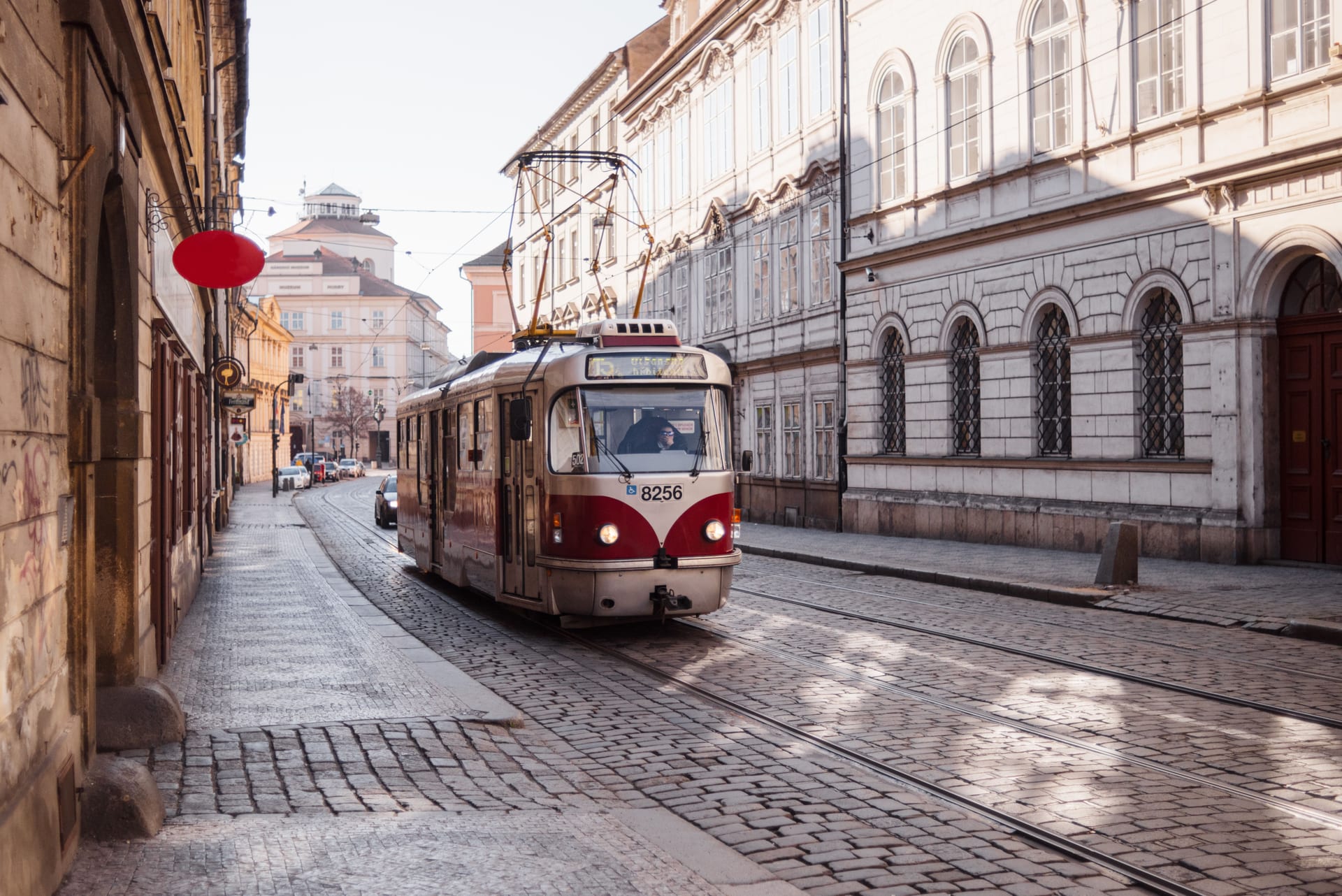
57/100The trams and buses are frequent and easy to rely on, and utilities just work. Where Brno lags is connectivity to the wider world: its own airport is thin, leaning on Vienna and Prague within a couple of hours, while cycling lanes are patchy and public-sector admin is slow to digitize.
Social values
progressiveModerately secular and broadly tolerant in a quiet, live-and-let-live way rather than a loudly progressive one. Attitudes track the Czech mainstream, more relaxed than rural areas yet more reserved than Berlin on questions of diversity and social liberalism. Visible internationalism is limited, though everyday acceptance is generally calm.
Relocation ease
58/100The honest weak point. Czech bureaucracy is heavy and paper-bound, the language barrier raises the difficulty of official errands, and finding a flat as a foreigner takes patience. Visa and banking steps are manageable but rarely quick, so arrivals should budget extra time and a tolerance for queues.