Cheapest Cities in Europe (2026)
Europe on a budget is no longer an oxymoron: south and east of the usual suspects, whole regions cost half of Paris or Amsterdam. These are the cheapest European cities that still clear our safety, healthcare and infrastructure floor.
Weighted blend of objective scores across 52 candidate cities in Western & Northern Europe, Southern Europe, Central & Eastern Europe, built from 110 source-backed metrics. No sponsorships and no editorial thumbs on the scale. see the methodology.
- 1
 Cluj-NapocaRomania68#81 of 283 worldwide for Affordability
Transylvania's university and tech hub is the cheapest city on this list, running well below Bucharest and far under Warsaw or Prague on rent, groceries and eating out. Digital connectivity is solid and utilities dependable, which is what makes the low costs usable rather than merely low. The weak spots are slow intercity rail, thin cycling provision, and stretched doctor availability outside private clinics.
Affordability 71Connectivity 52Safety 76 - 2
 SofiaBulgaria64#89 of 283 worldwide for Affordability
The lowest cost of living of any EU capital, with rent, groceries and eating out well below Budapest or Prague, and fast, cheap broadband on top, which is why it draws remote workers. Being inside the EU removes most of the paperwork friction. Healthcare is the soft spot, trailing Prague and Budapest, and English-speaking doctors take more effort to find than in peer cities.
Affordability 68Connectivity 48Safety 68 - 3BucharestRomania63#98 of 283 worldwide for Affordability
Genuinely cheap for a capital of its size, sitting well below Warsaw or Prague on rent, groceries and eating out, with strong digital connectivity and a metro that covers the core properly. That combination works particularly well on a foreign income. The public health system is underfunded and slow, pushing many toward private clinics, and intercity rail is dated.
Affordability 65Connectivity 52Safety 68 - Built for you, not the averageIs Cluj-Napoca actually your #1?
This list weighs everyone's priorities the same. Answer a few questions and we'll weigh 110 metrics across 283 cities around your answers. Then show you your own top 20.
Take the free questionnaire - 4
 BudapestHungary63#115 of 283 worldwide for Affordability
Rents, groceries and eating out all sit well below the Western European average, and a dense tram and metro network means most arrivals never need a car. The catch is local pay: a new-lease one-bedroom absorbs roughly 60% of typical employee net pay even at these prices, making solo renting tight. An outside income goes much further than a local one here.
Affordability 60Connectivity 62Safety 72 - 5
 BelgradeSerbia62#90 of 283 worldwide for Affordability
Rents, groceries and eating out all run well below Prague and Warsaw and roughly level with Budapest, so a modest income goes a long way in a city with real size and nightlife. The soft spot is the plumbing: dated public transport, sparse bike lanes and home internet a step behind the rest of Europe. Healthcare is functional, with most expats leaning on affordable private clinics.
Affordability 67Connectivity 44Safety 67 - 6
 SplitCroatia62#114 of 283 worldwide for Affordability
A Dalmatian coastal city on a cheap list is unusual, and Split manages it, with low rents and gentle everyday costs beside the Adriatic. Healthcare is solid and out-of-pocket costs stay reasonable. Two catches: local salaries are slim, so the numbers work best on income earned elsewhere, and getting around without a car is a daily friction given bus-only transport and poor intercity rail.
Affordability 61Connectivity 47Safety 78 - 7
 BrnoCzechia61#122 of 283 worldwide for Affordability
Czechia's second city runs noticeably cheaper than Prague and far below Berlin, so a modest income stretches a long way, and the public healthcare behind it is solid rather than basic. Rent still takes a real share of pay.
Affordability 55Connectivity 57Safety 85 - 8
 GdańskPoland60#127 of 283 worldwide for Affordability
Rent, groceries, and everyday costs all run low in Gdańsk, noticeably cheaper than Warsaw and far below Western Europe. The catch is local pay, which is only middling against those costs. For anyone earning from elsewhere, the maths works strongly in their favour.
Affordability 53Connectivity 62Safety 77 - 9
 TiranaAlbania60#97 of 283 worldwide for Affordability
Albania's capital is the cheapest capital in Europe by most measures: rent for a fraction of anything in the EU, coffee-culture dining at pocket prices, and a lively, walkable core. Safety is better than its reputation, with violent crime genuinely uncommon. The catch is infrastructure: power and water are dependable now, but bureaucracy, traffic and public transport lag the rest of the continent.
Affordability 66Connectivity 31Safety 72 - 10ZagrebCroatia60#121 of 283 worldwide for Affordability
Cheaper than Prague or Berlin and roughly in step with Budapest, with reliable trams and utilities covering a compact, walkable centre. It is an easy city to live in cheaply. The constraint is reach beyond it: limited direct flights, slow and sparse intercity rail, and home internet behind the regional frontrunners. Everyday admin still runs more on paper than screens.
Affordability 56Connectivity 53Safety 80 - 11
 AlicanteSpain59#135 of 283 worldwide for Affordability
A coastal city on a cheap-cities list is unusual; the bargains normally hide inland. Alicante manages both, with solid public healthcare, clinics that cope in English thanks to the large foreign population, and air links better than its size suggests. The trade is the labour market, where wages run low even by Spanish standards, so the value holds up best on income earned elsewhere.
Affordability 51Connectivity 65Safety 76 - 12KrakówPoland59#128 of 283 worldwide for Affordability
Among the gentlest costs of any sizeable European city, with groceries, restaurants and rent all well below Warsaw, and a dependable practical backbone underneath: trams and buses cover the city, intercity trains and the airport give decent reach, and utilities are reliable. Care is reasonable, though a timely appointment often means going private, and digital bureaucracy lags a step behind.
Affordability 53Connectivity 60Safety 77 - 13
 LjubljanaSlovenia59#146 of 283 worldwide for Affordability
Good regional value rather than a bargain, with costs well under Vienna and above Budapest, and the compact scale means utilities are reliable and traffic rarely snarls. Public healthcare is solid with low out-of-pocket costs, though specialist waits stretch. Onward reach is the limit: airport and intercity rail are thin.
Affordability 48Connectivity 62Safety 87 - 14
 VilniusLithuania59#125 of 283 worldwide for Affordability
One of the region's more affordable capitals, well below Warsaw or Prague on rent, groceries and eating out, and unusual here in that a local salary stretches reasonably far against them rather than only a foreign one. Digital admin is well developed. The limits are onward travel, with thin intercity rail and fewer direct flights, and a tax load that takes a real bite.
Affordability 55Connectivity 54Safety 78 - 15WrocławPoland59#131 of 283 worldwide for Affordability
One of Poland's gentler big cities on cost, with rent, groceries, and eating out all landing well below Warsaw, Kraków, or Prague, and far under Western Europe, so day-to-day money goes a long way even as local salaries pull the picture back toward average. Care is competent and broadly accessible, hospitals dependable, though English often means a private clinic.
Affordability 53Connectivity 60Safety 77
Your weights are different: budget, visa reality, family plans and climate taste. The quiz scores all 283 cities against your answers.
Get your personal ranking →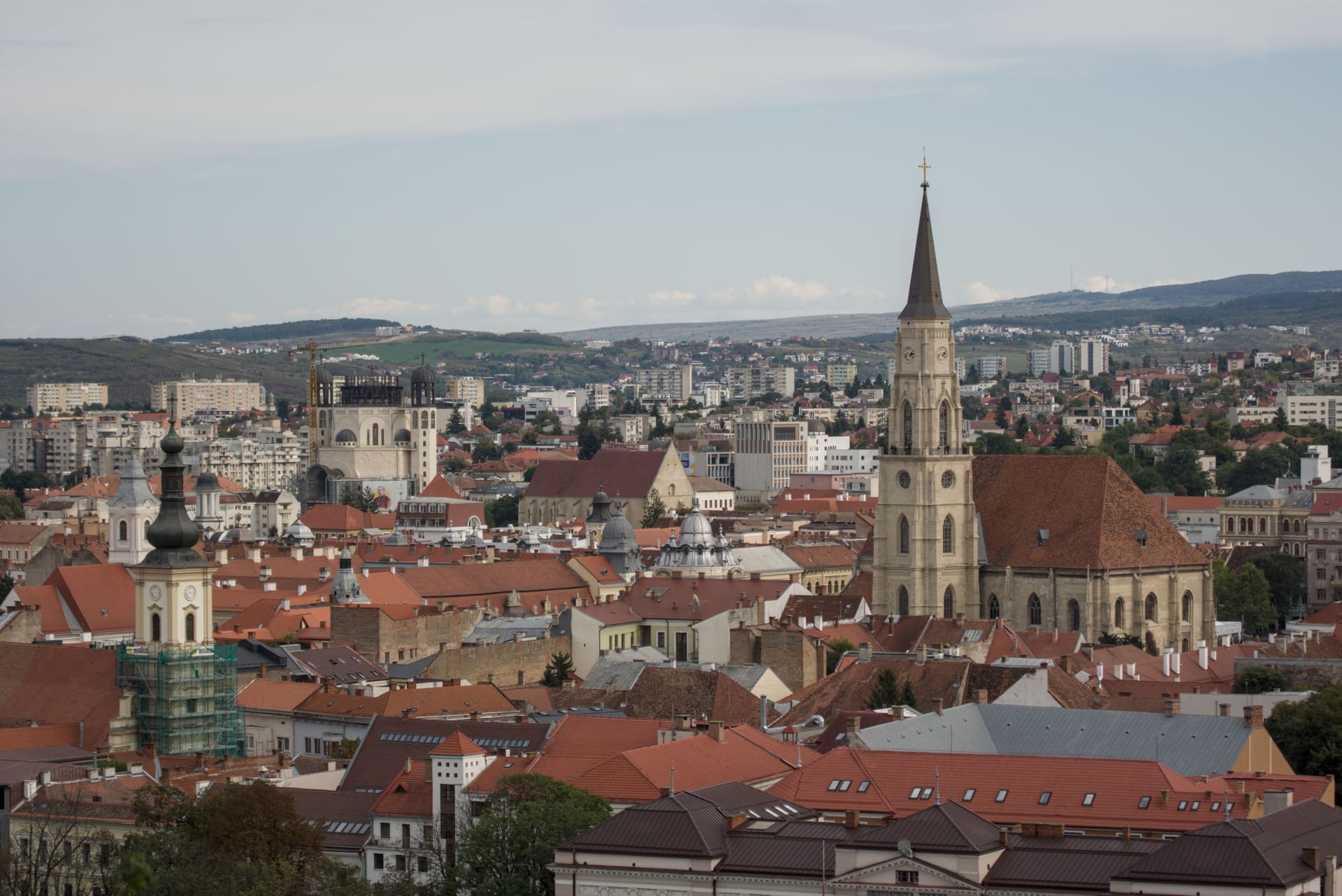
The fastest way to test a shortlist is to go. A week on the ground tells you things no ranking can.
Partner link
Approved language-learning and international money resources for practical next steps.