Best Cities in Europe for Remote Work (2026)
Europe’s remote-work sweet spots combine fast internet, walkable neighborhoods and a workday that overlaps both New York and Singapore. The best European bases for a laptop income.
Weighted blend of objective scores across 103 candidate cities in Western & Northern Europe, Southern Europe, Central & Eastern Europe, built from 110 source-backed metrics. No sponsorships and no editorial thumbs on the scale. see the methodology.
- 1
 AlicanteSpain64#135 of 283 worldwide for Affordability
Alicante punches above its size on the fundamentals, with fast internet, a well-linked airport and decent intercity trains, and traffic that rarely snarls. Rents, groceries and dining sit comfortably below Valencia and Lisbon, so a laptop income relaxes into a beachside pace. In-city transport is functional rather than extensive, and cycling trails Valencia's.
Affordability 51Public life & spaces 74Ease of integration 70 - 2
 LjubljanaSlovenia64#146 of 283 worldwide for Affordability
Rents and daily costs land well below Vienna while sitting above Budapest, so Ljubljana reads as good regional value rather than cheap. Its car-free centre is genuinely pristine and ranks 17th worldwide for public space. Modest local salaries thin the cushion once rent is covered.
Affordability 48Public life & spaces 85Ease of integration 52 - 3
 ViennaAustria64#200 of 283 worldwide for Affordability
Vienna's public transport is a benchmark, frequent, comprehensive and reliable, with utilities that never miss and strong cycling and rail links into neighbouring capitals. The weak spot is digital bureaucracy, where paperwork still leans analogue. For a major capital it stays reasonable, with rents below Berlin's and salaries that hold up against daily costs.
Affordability 31Public life & spaces 93Ease of integration 67 - Built for you, not the averageIs Alicante actually your #1?
This list weighs everyone's priorities the same. Answer a few questions and we'll weigh 110 metrics across 283 cities around your answers. Then show you your own top 20.
Take the free questionnaire - 4BarcelonaSpain63#158 of 283 worldwide for Affordability
Few cities pair this much walkability, transport and international community with a beach twenty minutes from the centre, and an established remote-work crowd means the social side needs no effort. Rents have run well ahead of Spanish salaries, so housing eats a large share of a local income even though an outside one absorbs it. Petty theft is the persistent gripe, and Spanish residency paperwork is slow.
Affordability 44Public life & spaces 78Ease of integration 70 - 5
 Cluj-NapocaRomania63#81 of 283 worldwide for Affordability
Transylvania's tech and university hub pairs a walkable centre around Union Square with prices well under Bucharest and far below Warsaw or Prague, so a laptop income relaxes here. Student festivals like Untold and plenty of free culture fill the calendar, though neglect shows at the city's edges. English runs common in the tech scene, which makes finding a footing easier than most Romanian cities.
Affordability 71Public life & spaces 63Ease of integration 56 - 6MadridSpain63#185 of 283 worldwide for Affordability
Madrid gives remote workers a long bright season, a serious local job market and typical pay on the higher side. Retiro, grand plazas and tree-lined boulevards keep the public realm generous, while late outdoor life makes meeting people easy. Summers are hot, English-only roles are limited, and a new one-bedroom lease is tight on local pay.
Affordability 34Public life & spaces 81Ease of integration 74 - 7MálagaSpain63#160 of 283 worldwide for Affordability
Málaga balances strengths and gaps: an excellent, well-connected airport and fast internet against in-city transit that is only adequate and cycling that lags. Rents, groceries and dining stay well below Madrid and Barcelona, so an outside income funds an easy Andalusian life. The real weak spot is the gap between low local pay and those prices.
Affordability 44Public life & spaces 74Ease of integration 74 - 8
 StrasbourgFrance63#148 of 283 worldwide for Affordability
Strasbourg gets the essentials right: reliable utilities, fast internet, excellent cycling and a tram network that makes a car unnecessary, plus strong rail across France and into Germany. Rents run well under Paris while the city keeps real cultural weight, so a laptop income lives comfortably. The small airport means routing long-haul through nearby hubs.
Affordability 48Public life & spaces 81Ease of integration 63 - 9
 The HagueNetherlands63#211 of 283 worldwide for Affordability
The Hague ranks first in the world for connectivity, with fast internet, world-class cycling, frequent trams, and quick intercity trains to Schiphol; officialdom is largely digital, sparing newcomers the paperwork. Costs sit below Amsterdam across rent and dining, making it the more sensible Randstad base, though it is far from cheap and the rent-to-income squeeze is real.
Affordability 28Public life & spaces 81Ease of integration 78 - 10ValenciaSpain63#169 of 283 worldwide for Affordability
Valencia is one of the cheaper big cities in Western Europe day to day, with rent, groceries and dining undercutting Barcelona by a wide margin, so a laptop income buys real ease. Good cycling lanes and light traffic make a car unnecessary, and internet is fast and reliable. The airport covers Europe but thins for long-haul.
Affordability 43Public life & spaces 78Ease of integration 67 - 11
 VallettaMalta63#155 of 283 worldwide for Affordability
Valletta is a compact baroque capital with handsome squares, bastions and harbour views, while festas and the harbourside keep daily pleasure cheap. English is co-official and universally spoken, and an international crowd helps newcomers settle quickly. The island is small, hot in summer and short on green, with prices climbing as tourism grows.
Affordability 46Public life & spaces 74Ease of integration 74 - 12
 GdańskPoland62#127 of 283 worldwide for Affordability
A quiet practical strength anchors life here: trams and trains move people well across the Tricity, internet is fast, and digital bureaucracy runs ahead of much of Western Europe. Rent and everyday costs sit well below Warsaw and far under the West, so an income from elsewhere works strongly in your favour. The airport covers Europe, not long-haul.
Affordability 53Public life & spaces 78Ease of integration 52 - 13
 HamburgGermany62#178 of 283 worldwide for Affordability
Hamburg offers a strong local job market, orderly public spaces and fine access to the Alster lakes, HafenCity and long harbour promenades. Free waterfront life and a busy festival calendar give remote workers room beyond the desk, while English goes a long way at first. German is needed for deeper integration, housing costs sit above Berlin's, and the climate is cool and damp.
Affordability 38Public life & spaces 78Ease of integration 70 - 14KrakówPoland62#128 of 283 worldwide for Affordability
Groceries, restaurants and rent all sit well below Warsaw, among the gentlest costs of any sizeable European city, so a remote income goes far here. Kraków's trams and buses cover the city well and the airport gives decent reach, though online bureaucracy trails the most modern European systems. The compact core feels notably safe.
Affordability 53Public life & spaces 74Ease of integration 56 - 15Las Palmas de Gran CanariaSpain62#145 of 283 worldwide for Affordability
Rents for a one-bed sit well below Málaga and Madrid, and groceries and dining follow suit, though local salaries lag the mainland. The Las Canteras promenade and a walkable old town keep beach life cheap, with free festivals doing most of the entertaining. Spanish is the working language, but one of Spain's largest international communities means English carries far, though the catch is a thin job market that leans on remote workers.
Affordability 48Public life & spaces 74Ease of integration 70
Your weights are different: budget, visa reality, family plans and climate taste. The quiz scores all 283 cities against your answers.
Get your personal ranking →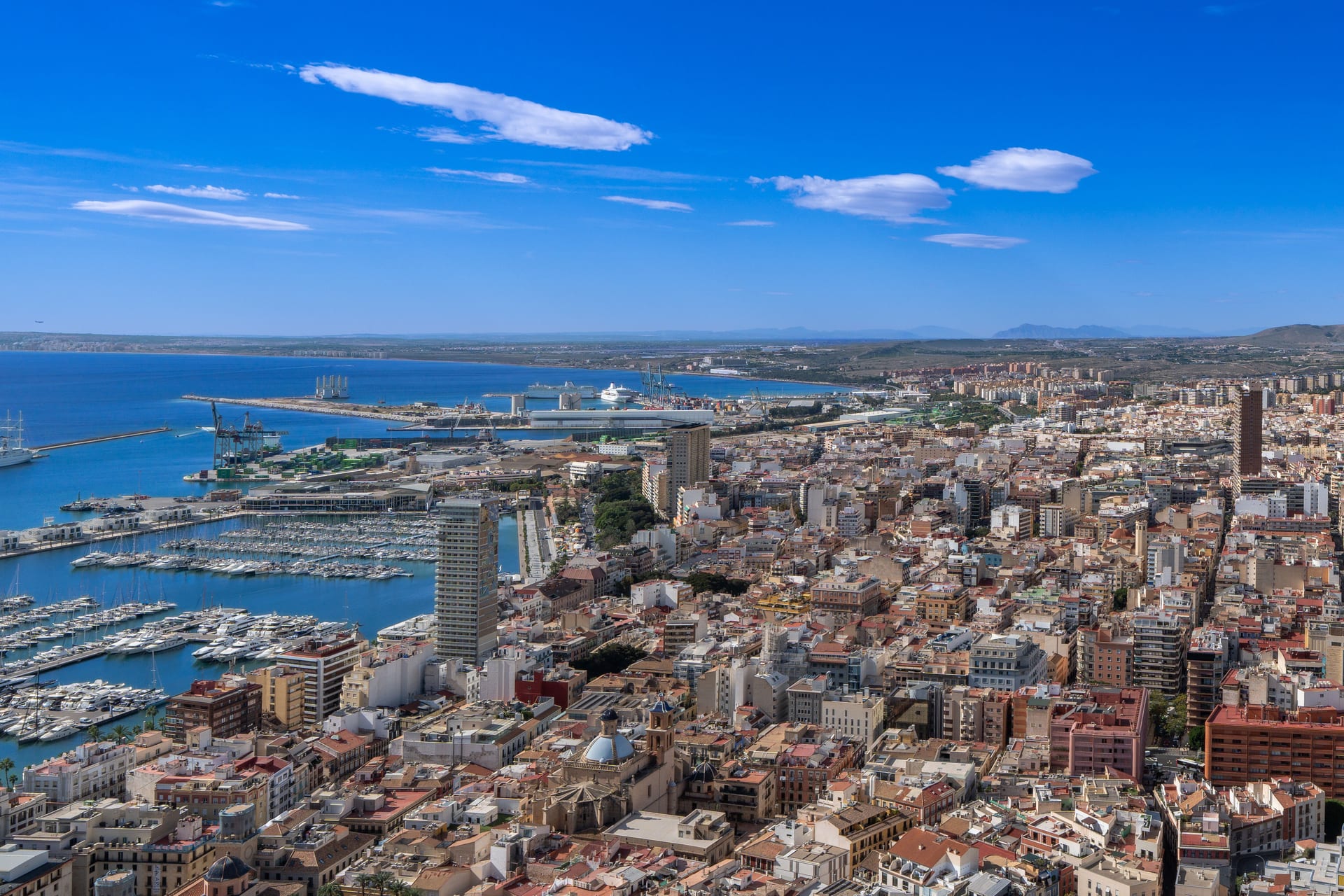
The fastest way to test a shortlist is to go. A week on the ground tells you things no ranking can.
Partner link
Approved language-learning and international money resources for practical next steps.