Affordability
72/100Buenos Aires' open-market one-bedroom rent on a new lease is about $605 per month. That is roughly 54% of one typical employee's mean net pay, a rent burden labelled sharing likely.
Climate
mediterraneanBuenos Aires has warm summers, mild winters, and a generous supply of bright days. Humidity becomes noticeable in summer, and muggy weather recurs, but genuinely extreme weather is uncommon and grey, rainy spells are limited.
Nature access
leafyNot the city for an outdoors-driven life. There are riverside walks along the Río de la Plata and a handful of large parks, but no mountains, no real coastline, and serious hiking means travelling far. Weekend escapes to the Tigre delta or the pampas exist, yet wilderness is not on the doorstep.
Urban form
large cityA dense, intensely walkable sprawl of distinct barrios, from Palermo to San Telmo, where daily life happens on foot and in cafés rather than behind a windscreen. The metro region is enormous, mixed-use neighbourhoods are the norm, and the pace leans relaxed and late. Housing space is average and the suburbs are unremarkable.
Public life & spaces
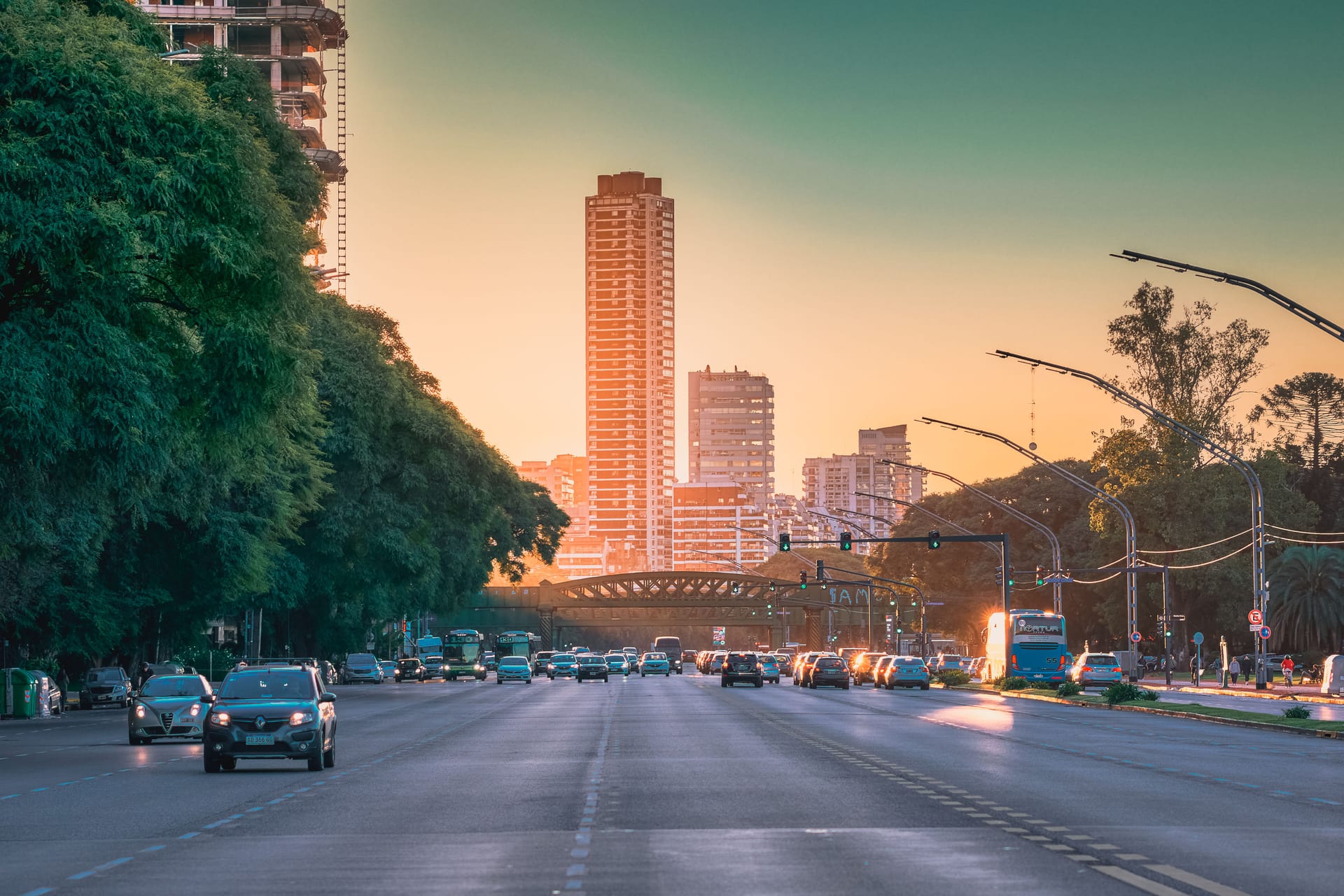
59/100Buenos Aires is grand but visibly worn, its upkeep uneven and the pavements littered with dog mess. Look past that and the public realm is superb: wide boulevards, the plazas of San Telmo and Recoleta, Puerto Madero and the parks. It's cheap and culturally rich, with free tango, museums, and street life pouring out everywhere.
Safety
51/100Buenos Aires is a mixed safety proposition. Homicide is about 4.5 per 100,000, but petty theft is the more immediate daily nuisance, and people are less likely to feel relaxed walking late at night. Political stability is also weak, so the safety picture goes beyond street crime.
Healthcare
65/100Solid, accessible care by regional standards, with a respected private sector and reasonable doctor availability. Private costs stay manageable, but non-resident foreigners have paid at national public hospitals since August 2026, so cover is worth arranging early, and emergency reliability can be uneven and insurance paperwork takes patience. English-speaking practitioners exist but cannot be assumed outside private clinics.
Family life
51/100Workable for families without being a standout. Childcare is reasonably priced and kids grow up with plenty of outdoor, street-level life. Schools are middling, family-sized housing is tight on a local budget, and the long-hours, late-night work culture sits awkwardly with raising young children.
Career
59/100Local career building is difficult. The market is weak, unemployment is high, and typical local pay is low by the standards of the cities covered. English-language work is limited, while remote work is a stronger fit and the startup ecosystem leaves some room for entrepreneurial work.
Culture & food
74/100The strongest card by a distance. The café culture, late dinners, steak, wine, tango, theatre and a restless music and art scene give the city a depth that few in the region match. Nightlife runs until dawn. The main friction is language: getting under the surface really needs Spanish.
Ease of integration
63/100Porteños are warm, social and quick to fold newcomers into long dinners and gatherings, helped by an openness to foreigners and one of the region's most liberal social cultures. The real gate is language. English goes some way in expat and creative circles, but lasting local friendships and everyday integration run on Spanish.
Connectivity
45/100Functional but frayed. The subway and bus network covers the city and the airport connects widely across the Americas and Europe. Beyond that, digital infrastructure lags, intercity rail is thin, utilities can be patchy and bureaucracy stays stubbornly analogue. Things mostly work, just not smoothly or predictably.
Social values
progressiveAmong the most socially liberal places in Latin America, secular in public life and notably open on LGBTQ rights and gender attitudes. Newcomers are generally welcomed. The weaker side is civic trust and everyday orderliness: rules bend, institutions are doubted, and that informality runs through daily dealings.
Relocation ease
49/100Relatively gentle to land in by regional standards. Residence and visa routes are comparatively open, and the cultural adjustment for Westerners is mild. The grind comes after arrival: banking, rental searches and general bureaucracy are slow and analogue, and a working grasp of Spanish makes the difference between coping and struggling.