
Living in Rio de Janeiro
Rio is warm through the year, but heavy humidity and muggy conditions dominate, with rainy-grey spells interrupting the bright days. The local market is modest and local pay is very low by international standards, so remote work fits better than relying on local opportunities. Safety remains a daily consideration.
Rio de Janeiro at a glance
Vital stats
Shown in USD: the local currency (BRL) moves too fast for stable monthly figures.
Where Rio de Janeiro stands out
The metrics where Rio de Janeiro sits farthest from the middle worldwide, good and bad.
Cheap to arrive, expensive to stay?
A typical one-bedroom in Rio de Janeiro runs $435/mo. That is ~92% of one typical local employee’s mean net pay. This is a solo-newcomer stress test: sitting tenants, shared homes, subsidised housing and informal rents are deliberately outside the numerator.
The fastest way to test a shortlist is to go. A week on the ground tells you things no ranking can.
Partner link
Approved language-learning and international money resources for practical next steps.
Daily life in Rio de Janeiro
How Rio de Janeiro scores
Category by category
Affordability
72/100Rio de Janeiro's open-market one-bedroom rent on a new lease is about $435 per month. That is roughly 92% of one typical employee's mean net pay, a rent burden labelled solo unlikely.
Climate
tropicalRio stays warm through the year, with mild winters rather than a sharp cold season. Humidity is the price of that warmth, with muggy conditions through most of the year and a sizeable share of rainy-grey days. Air quality is middling for a city with such an inviting outdoor setting.
Nature access
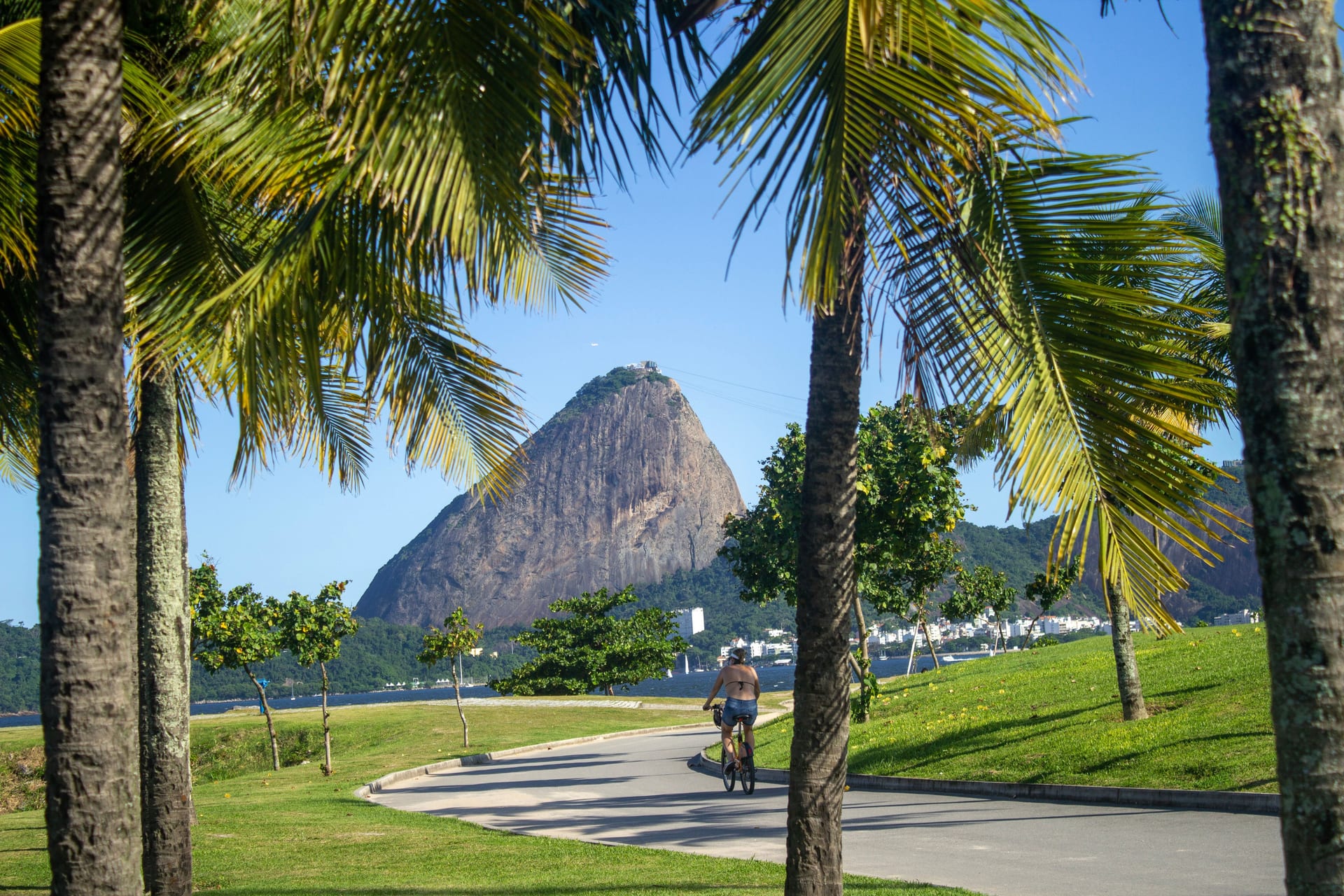
coastalThis is where Rio is hard to beat. City beaches sit at the front door, Tijuca's rainforest rises behind the neighbourhoods, and trails and peaks are reachable on a normal weekend. Formal green space per resident is thin, but the sheer access to ocean, mountain and forest more than makes up for it.
Urban form
megacityRio spreads out between the hills and the sea, lower-density and less hemmed-in than São Paulo or Mexico City. Walkability is patchy and life leans on cars for many trips, though some districts mix housing, work and shops well. The pace is steady rather than frantic, and outer suburbs are weak, so where one settles matters.
Public life & spaces
63/100Rio is littered and uneven, the gleam of Copacabana never far from a favela hillside. But its free life is unmatched: beaches running the length of the city, Lapa's street parties, Carnival, promenades open to everyone. The public space is iconic and the daily enjoyment costs nothing, even as the upkeep frays.
Safety
36/100Safety is Rio's clearest weakness. Petty crime is common, confidence about walking around after dark is low, and the general sense of security trails well behind what newcomers from calmer cities expect. People adapt their routines and routes accordingly, and where one lives matters a great deal.
Healthcare
55/100Care is workable but uneven. Top private hospitals are good and the public system exists as a backstop, yet doctor availability is stretched and emergency reliability can wobble. Private insurance is the usual route for newcomers, and finding English-speaking practitioners takes some effort outside the better-resourced clinics.
Family life
47/100A mixed picture for families. The outdoor childhood is a genuine draw, with beaches, parks and an easygoing climate, and childcare is reachable. But child safety concerns and middling schools weigh heavily, and family-sized housing in safer, well-located areas gets expensive fast.
Career
63/100Rio is better suited to remote work than to building a local career. The job market and industry scene are modest, English-language roles are limited, and typical local pay is very low by international standards. Unemployment is moderate, but it does not make the market broad.
Culture & food
82/100Culture is Rio's other great strength. The music and art scene, nightlife and street-level local life are vivid and deeply Brazilian, backed by solid restaurants, cafes and museums. International options exist but feel secondary, and not speaking Portuguese will limit how much of the city opens up.
Ease of integration
70/100Brazilians are warm and open to outsiders, which smooths the first months. The real gate is language: Portuguese runs everything and English only goes so far in daily life, so meaningful local friendships and integration depend on learning it. Civic trust and everyday order sit low, so community tends to form through personal networks rather than institutions.
Connectivity
47/100Functional but not seamless. Public transport and cycling routes cover the main corridors, the airport connects well internationally, and roads, while congested, move. Intercity rail is essentially absent, digital and admin systems are inconsistent, and utilities can be less than fully dependable.
Social values
progressiveSocially open and notably welcoming to LGBTQ residents, with a liberal, secular public culture by regional measures. Attitudes to foreigners are warm. The weaker note is civic trust and a sense of shared order, which can feel frayed compared with the relaxed social tolerance on display.
Relocation ease
47/100Getting in is relatively manageable, with visa and work-authorization paths that aren't the main obstacle. The friction comes afterwards: bureaucracy and tax rules are tangled, banking and the housing search take patience, and the Portuguese language barrier shapes nearly every administrative step. Brazil also sits far from most origin countries.
The trade-offs
A year in Rio de Janeiro
Jan peaks around 30°C, Jul days top out near 25°C, and the year brings roughly 184 bright days.
Can you actually move here?
The hard limits people most often bring to a move, scored against Rio de Janeiro's data.
Moving with a pet
Bringing a pet to Brazil is relatively straightforward by international standards, mainly a matter of vaccinations, a health certificate and the right paperwork in order. Plan the documentation timeline ahead and the move itself should go smoothly.
Who Rio de Janeiro works for
Answer the questionnaire and see where Rio de Janeiro lands for you.
Take the free questionnaireWhere else to look
Rio de Janeiro vs. comparable cities
Objective scores (0–100) for Rio de Janeiro and its 4 nearest comparable cities.
The cities people weigh against Rio de Janeiro
Unexpected siblings
Far from Rio de Janeiro on the map, close across all 14 categories of daily life.


